Sit-ins, mass cease-work mark 3rd day of protest amid Manipur ethnic violence spike
Source Entity
Latest News: Todays Latest News Headlines from India & World | Hindustan Times | Hindustan Times
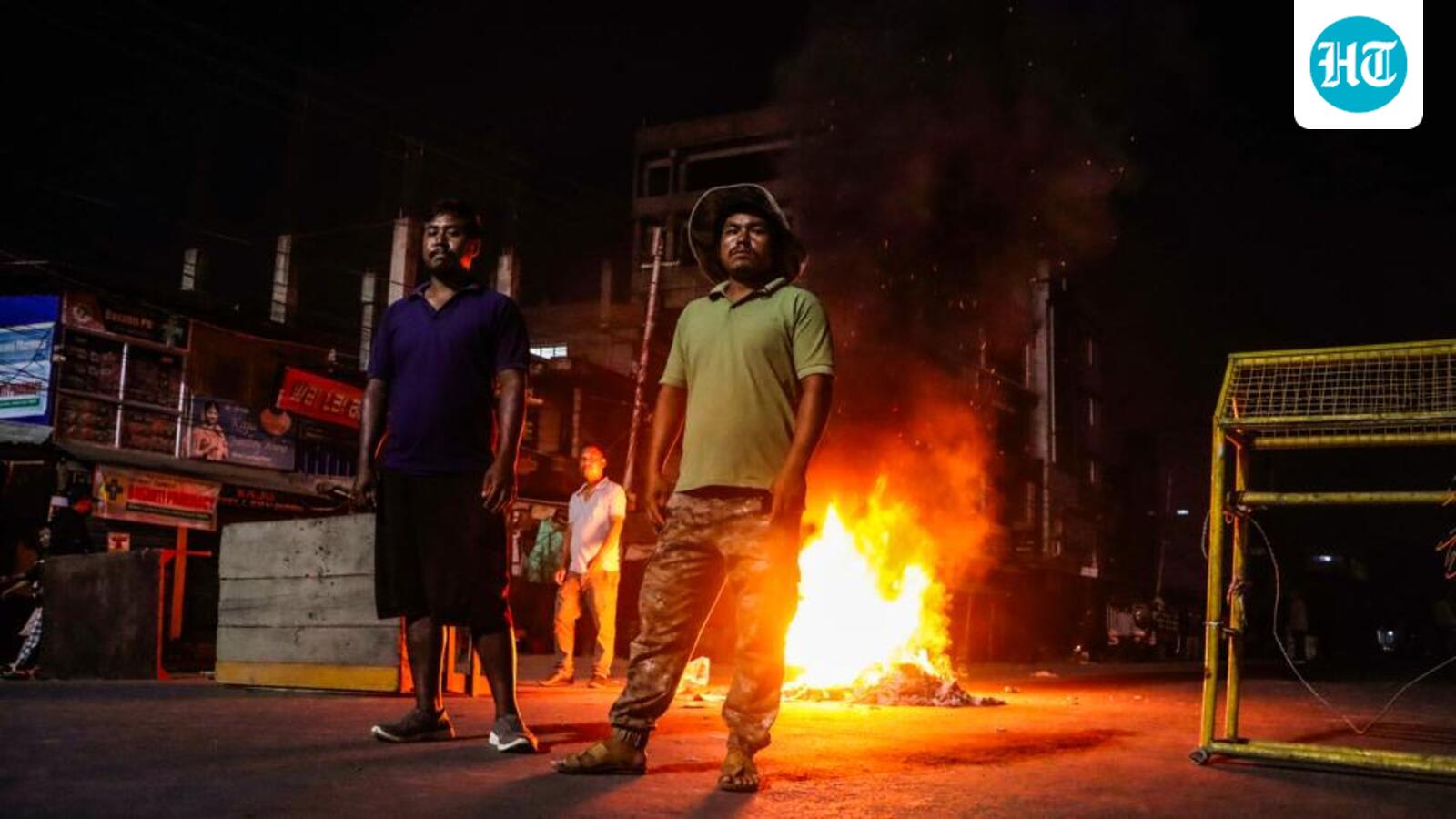
Manipur faces renewed ethnic unrest following the killing of three Meitei farmers and a Kuki man, sparking mass protests and demands for President's Rule. Tensions have escalated in Imphal, with police clashing with demonstrators who are criticizing the government's response to the ongoing violence.
Escalating Ethnic Violence in Manipur: A Deep Dive into the Current Crisis
Manipur is currently grappling with a severe resurgence of ethnic violence, marked by a series of tragic killings and widespread civil unrest. The situation deteriorated sharply following the killing of three Meitei farmers in an ambush in the Sunurok hills of the Kangpokpi district on October 19. This incident served as a catalyst for mass protests across the Imphal valley, with demonstrators observing a day-long cease-work strike to voice their grievances against the deteriorating law and order situation.
The Cycle of Retaliation and Unrest
The violence has not been one-sided, further complicating the fragile security landscape. Following the ambush of the Meitei men, a 45-year-old Kuki man was killed while collecting bamboo shoots, and at least six Kuki houses were set ablaze. This marks a concerning return to active conflict, as the October 19 ambush was the first major incident of violence between the two communities since July 13, when armed Kuki groups reportedly attacked Meiteis in Bishnupur’s Torbung Bangla. These recurring cycles of violence have claimed at least 50 lives in recent months, primarily driven by Naga-Kuki clashes.
Public Frustration and Government Response
The public response has been characterized by intense distrust toward state leadership. Protesters in Imphal East attempted to storm an event attended by the Chief Minister, demanding that officials prioritize the security crisis over sports events. The resulting confrontation saw police utilize tear gas, smoke grenades, and stun bombs to disperse the crowds, leading to injuries, including a woman struck by a stun grenade. The protesters remain steadfast in their demand for the Chief Minister and Home Minister to directly address the mounting death toll.
The Demand for President’s Rule
Amid the chaos, the Kuki-Zo community has intensified calls for the reimposition of President’s Rule. The Kuki-Zo Women’s Forum, based in Delhi, claims that 32 members of their community have been killed since March 2026, attributing these deaths to factions such as the NSCN-IM and ZUF-Kamson. They contend that the state's security apparatus has failed to protect their villages, noting that approximately 55 houses have been destroyed during this period. They argue that the previous year of President’s Rule, which ended in February 2026, provided a level of stability missing under the current administration.
Broader Implications and Future Trends
The current crisis highlights the limitations of localized governance in managing deep-seated ethnic divisions. With economic embargoes further straining Kuki-Zo villages and the constant threat of militant ambushes, the state appears to be caught in a cycle of instability. If the government fails to mediate a sustainable peace or address the security vacuum, the demand for central intervention through President’s Rule will likely gain significant political momentum, further polarization between the state government and ethnic minority groups.
Multiple Citing Sources
Verification Required?