Manipur to form committee representing all 36 communities for unity: Yumnam Khemchand
Source Entity
India Latest News: Top National Headlines Today & Breaking News | The Hindu
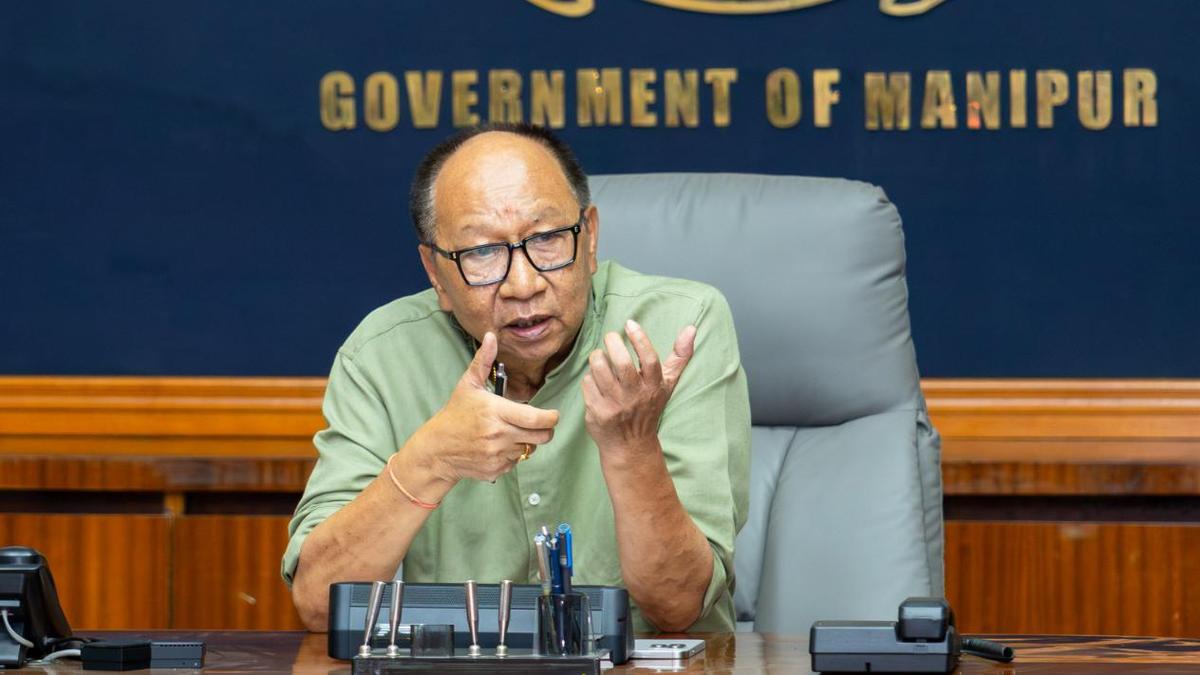
Manipur Chief Minister Yumnam Khemchand Singh has announced plans to form a committee representing all 36 state communities to restore peace. This initiative follows a direct inquiry from Prime Minister Narendra Modi regarding the existence of a body to foster unity.
Manipur Initiates Inclusive Peace Process
Manipur Chief Minister Yumnam Khemchand Singh has officially announced the state government's intention to form a representative committee comprising all 36 communities of Manipur. This initiative, unveiled on October 24, 2026, aims to serve as a cornerstone for restoring long-term peace, harmony, and inclusive development in a region that has faced significant communal strife. The decision follows a direct query from Prime Minister Narendra Modi, who questioned the existence of a collaborative body capable of bridging the gaps between the state’s diverse ethnic groups.
The Role of High-Level Consultations
To ensure the committee is both legitimate and effective, Chief Minister Khemchand Singh has outlined a consultative approach. He intends to coordinate closely with state MLAs and the titular King, Maharaja Leishemba Sanajaoba. By involving both political representatives and traditional leaders, the government aims to create a panel that carries the weight of both legal authority and cultural respect, ensuring that all 36 communities feel adequately represented in the peace-building process.
Symbolic Significance of the Announcement
The announcement was strategically made during the celebration of the Mera Hou Chongba Festival 2026, a traditional event that historically emphasizes the bond between the hill and valley people of Manipur. Following the inauguration of the Hill (Tribal) Chiefs' Guest House at the Palace Compound in Imphal, the Chief Minister used the platform to honor various hill chiefs. This context highlights the administration's attempt to leverage deep-rooted cultural traditions as a medium for modern reconciliation.
Contextualizing Historical Unity
During the felicitation ceremony at the Chief Minister’s Secretariat, Mr. Khemchand Singh emphasized the collective history of the region. He recalled that all 36 communities have historically contributed to the defense and safeguarding of Manipur’s territorial integrity. By invoking this shared heritage, the government is attempting to pivot the public discourse away from recent divisions and toward a narrative of mutual dependence and historical solidarity.
Broader Implications and Future Outlook
The formation of this 36-member committee represents a significant shift in the state's conflict-resolution strategy. By seeking to institutionalize dialogue through a formal body, the administration is responding to the Prime Minister’s call for a structured mechanism to bring communities together. If successful, this committee could serve as a vital platform for grievance redressal and collaborative policy-making, potentially setting a precedent for how future communal tensions are managed in Northeast India.
Conclusion
While the path to lasting peace in a complex, multi-ethnic region is undoubtedly challenging, the commitment to include all 36 communities marks a proactive step toward stability. By aligning state-level initiatives with federal oversight from the Prime Minister’s Office, Manipur is attempting to create a sustainable framework for peace that honors its diverse cultural tapestry while addressing the urgent need for unity.
Verification Required?