‘Very, very close’: Marco Rubio on India-US trade deal after meeting with EAM Jaishankar
Source Entity
Latest News: Todays Latest News Headlines from India & World | Hindustan Times | Hindustan Times
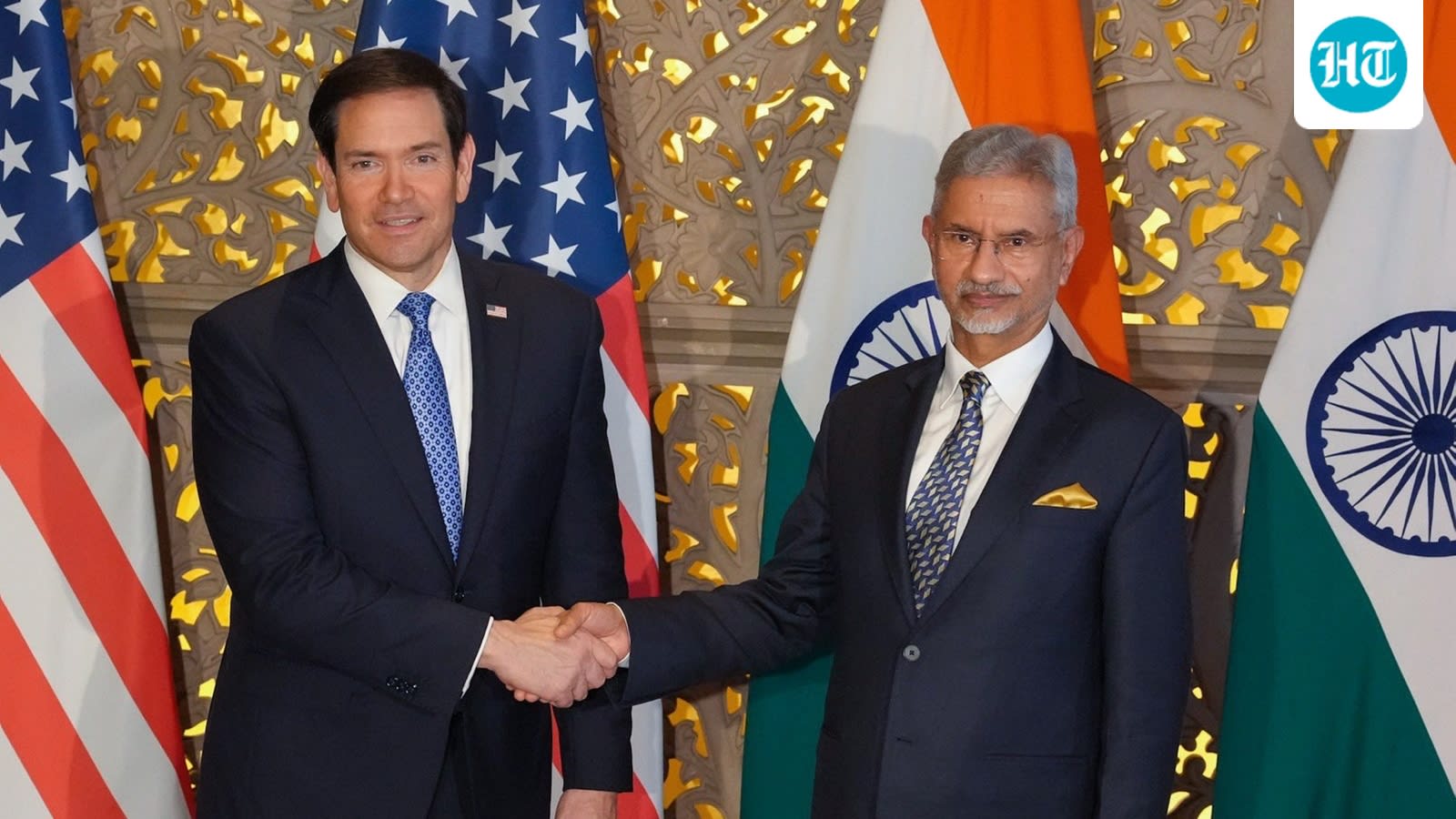
US Secretary of State Marco Rubio’s strategic visit to Mumbai and Jamnagar signals a pragmatic shift in US-India relations, prioritizing economic assets over traditional diplomatic protocols. The trip emphasizes energy collaboration and potential trade deals, positioning India as a key partner in Washington's evolving global agenda.
A New Chapter in US-India Diplomacy
US Secretary of State Marco Rubio’s recent three-day visit to Mumbai and Jamnagar represents a significant pivot in the bilateral relationship between Washington and New Delhi. By bypassing the traditional diplomatic hub of Delhi, Rubio has signaled a shift toward a more transactional, efficiency-driven approach. This visit, his second in six months, suggests that the Trump administration is keen to navigate the current turbulence in ties by engaging directly with India’s industrial powerhouses, effectively treating the nation as a collection of critical economic assets rather than merely a diplomatic entity to be courted.
The Power of a Dual-Role Diplomat
Rubio’s influence is uniquely amplified by his dual role as both Secretary of State and National Security Adviser—a concentration of authority not seen since the era of Henry Kissinger. This consolidation of power allows for a streamlined decision-making process that is particularly relevant as the US prepares to address regional security concerns, including potential shifts in policy regarding Iran following upcoming mid-term elections. India’s decision to invest political capital in this engagement is a calculated, long-term strategy, especially given Rubio’s status as a frontrunner for the 2028 Republican presidential nomination.
Energy and Infrastructure as Diplomatic Bedrock
Central to this visit was the stop at the Reliance Industries Limited (RIL) refinery complex in Jamnagar. The facility’s ability to process hard Venezuelan crude makes it a strategic asset in the context of global energy security. This interaction builds upon President Trump’s broader domestic agenda, which includes plans for a massive $300 billion refinery project in the US. By involving Reliance in these high-level discussions, the US is attempting to leverage Indian industrial expertise to bolster its own manufacturing base and job market, a core pillar of the current administration's economic platform.
Navigating Economic Turbulence
While the current administration has faced friction in its dealings with India, Rubio’s visit has successfully disseminated positive signals regarding a long-pending trade deal. The urgency displayed by both sides suggests a mutual desire to move past recent disagreements. For India, the focus remains on securing economic benefits and digital infrastructure collaboration, while for the US, the priority is integrating India into a supply chain framework that aligns with Washington's strategic interests.
Future Outlook and Strategic Alignment
Looking ahead, the success of this visit could define the trajectory of US-India relations for the remainder of President Trump’s term. By focusing on tangible economic outcomes—such as energy cooperation and digital infrastructure—the two nations are building a foundation that is less susceptible to the standard ebbs and flows of traditional diplomacy. If the current momentum continues, the relationship may evolve into a more robust partnership where economic integration serves as the primary stabilizer against geopolitical volatility.
Multiple Citing Sources
Verification Required?