Google's extreme AI capex spending plans trigger a technical warning on the stock price
Source Entity
Yahoo Finance
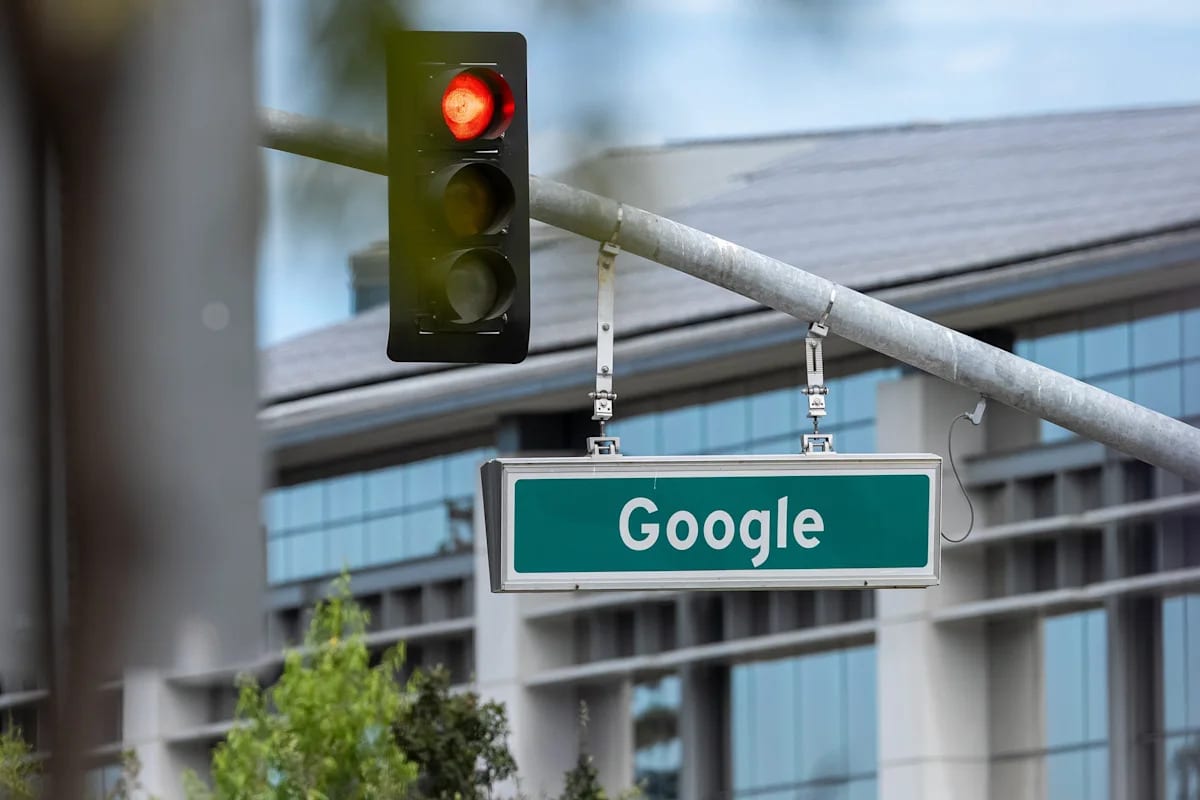
Global markets are reeling as oil prices hit $100 due to Red Sea tanker attacks while Google faces stock volatility. Despite record revenues, massive AI infrastructure spending has pushed Google into its first quarter of negative cash flow.
Market Volatility and the Energy Shock
The global financial landscape is currently navigating a period of significant turbulence, characterized by a sudden and sharp spike in energy costs. As of July 23, Brent crude has breached the $100 per barrel threshold for the first time since May. This surge is directly linked to geopolitical instability in the Red Sea, where Yemen's Iran-aligned Houthi forces have targeted Saudi oil tankers. This naval blockade, coupled with existing concerns regarding Iran’s influence over the Strait of Hormuz, has created a dual-chokepoint crisis that threatens the stability of global oil supply chains.
The Tech Sector's Financial Strain
Simultaneously, the technology sector is experiencing a period of intense financial scrutiny. Google, despite generating a robust $119.8 billion in total revenue for the second quarter of 2026, has seen its stock price falter. This market reaction is primarily driven by the company's unprecedented capital expenditure on artificial intelligence infrastructure. For the first time in its history, Google has reported negative cash flow, a direct consequence of the massive investments required to sustain its AI ambitions.
The High Cost of AI Dominance
Google’s aggressive spending strategy is deeply rooted in the competitive landscape of generative AI. While its Cloud division saw a significant 23.8% increase in revenue—reaching $24.8 billion—the search giant is betting heavily on future efficiency to maintain its market lead. The financial burden of these infrastructure projects is immense, yet the company remains committed to building the necessary hardware to sustain its ecosystem, as evidenced by its core search business still accounting for $63.3 billion in income.
Strategic Innovation: The 'Frozen v2' Chip
To mitigate long-term costs and improve performance, Google is reportedly developing a proprietary chip codenamed "Frozen v2." Designed specifically to power the Gemini AI models, this hardware is projected to be six to ten times more efficient than current Tensor Processing Units (TPUs) developed with Broadcom. By moving toward full-stack capabilities, Google aims to reclaim its competitive edge in the AI model leaderboard, where its current offerings have struggled to reach the top ten.
Future Trends and Market Implications
Looking ahead, the intersection of geopolitical energy risks and the "AI arms race" presents a complex scenario for investors. The delay of Gemini 3.5 Pro highlights the volatility inherent in rapid AI development, while the 2028 target for the "Frozen v2" chip suggests a multi-year investment horizon. As Europe faces rising borrowing costs and global markets react to supply chain disruptions, companies like Google must balance the immediate demands of shareholders with the long-term necessity of building the underlying infrastructure for a post-generative AI economy. The market's current "sink" behavior reflects a collective anxiety regarding whether the massive cash burn of today will translate into the sustainable profitability of tomorrow.
Multiple Citing Sources