Trump’s 100% Tariffs on Generic Meds Threaten Headaches at Drugstore Checkouts
Source Entity
Yahoo Finance
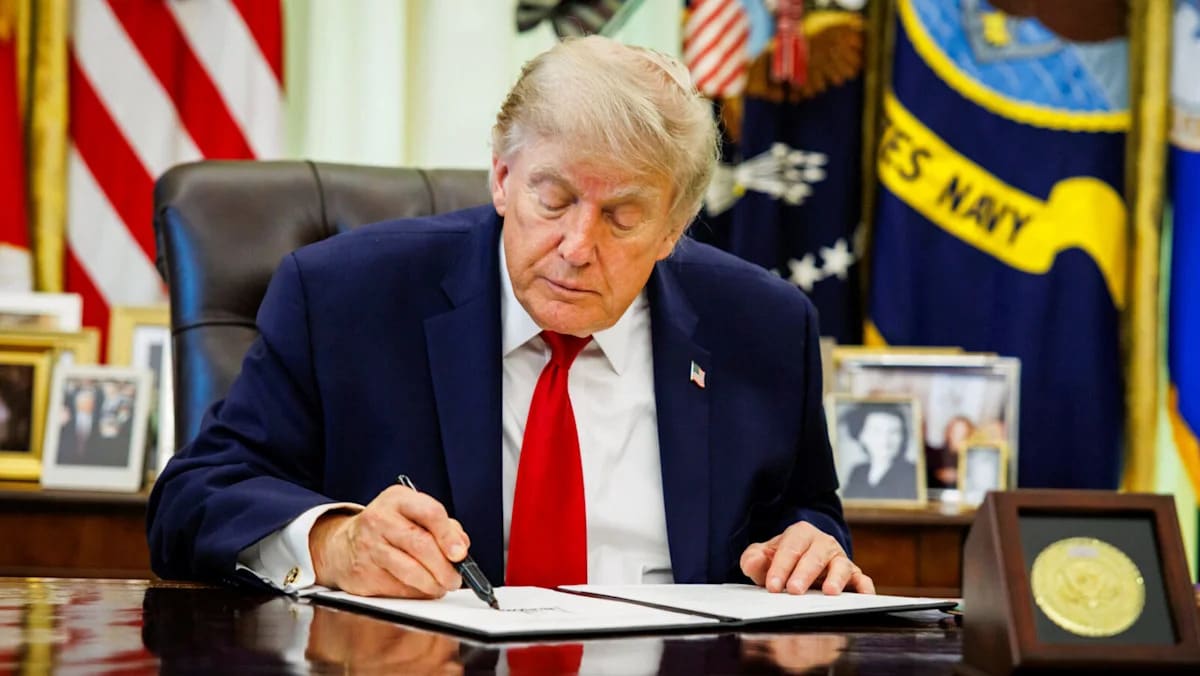
President Trump has threatened 100% to 200% tariffs on imported generic drugs by 2028 to incentivize domestic manufacturing. This policy shift raises concerns about potential price hikes for essential medications and the feasibility of rapid pharmaceutical reshoring.
The Reshoring Mandate: Trump’s Tariff Strategy for Pharmaceuticals
President Trump has issued a significant challenge to the generic pharmaceutical industry, threatening imposing 100% tariffs on imported generic drugs starting in August 2028. This proposed policy, which would see duties escalate to 200% just one year later, represents an aggressive attempt to force manufacturers to shift their production capacity back to the United States. While the stated goal is to secure the domestic supply chain, the timeline for such a massive industrial relocation is exceptionally tight, setting the stage for a volatile period in the healthcare market.
Economic Implications for Consumers
The primary concern for the average consumer lies in the potential for these tariffs to be passed directly to the end-user. If manufacturers choose to maintain their current overseas production models rather than investing in the high capital costs of building US-based facilities, the cost of everyday staples—such as generic ibuprofen—could skyrocket. This would effectively turn a regulatory push for domestic manufacturing into a direct tax on patient health, potentially creating a secondary 'wallet-ache' to accompany the physical ailments these drugs are intended to treat.
The Feasibility of Rapid Reshoring
Reshoring pharmaceutical manufacturing is a complex, capital-intensive endeavor that requires significant regulatory oversight, environmental compliance, and specialized labor. Critics argue that the two-year window provided by the administration may be insufficient for companies to establish new, compliant supply chains within US borders. The pharmaceutical industry is characterized by long lead times for facility certification and quality control, making the threat of 100% tariffs a potential catalyst for industry-wide supply chain strain rather than immediate repatriation.
Strategic Shifts and Market Uncertainty
This policy highlights a broader trend of protectionist trade measures aimed at reducing dependence on foreign manufacturing hubs. While the administration views this as a vital step toward economic sovereignty, the market reaction reflects deep uncertainty. Investors and pharmaceutical executives are now forced to weigh the costs of building domestic capacity against the existential threat of prohibitive tariffs that would make their current business models untenable within a few short years.
Looking Toward the Future
The next 12 to 24 months will be critical in determining whether this threat serves as a genuine incentive for domestic industrial growth or a destabilizing force for healthcare costs. As the deadline approaches, we can expect heavy lobbying from pharmaceutical groups and a potential shift in investment strategies toward domestic infrastructure. Ultimately, the success or failure of this policy will depend on whether the US can offer a competitive enough environment to offset the massive logistical and operational costs of moving generic drug production away from established global hubs.