Tesla stock slides after profit miss; full-year capex spend of $25 billion confirmed
Source Entity
Yahoo Finance
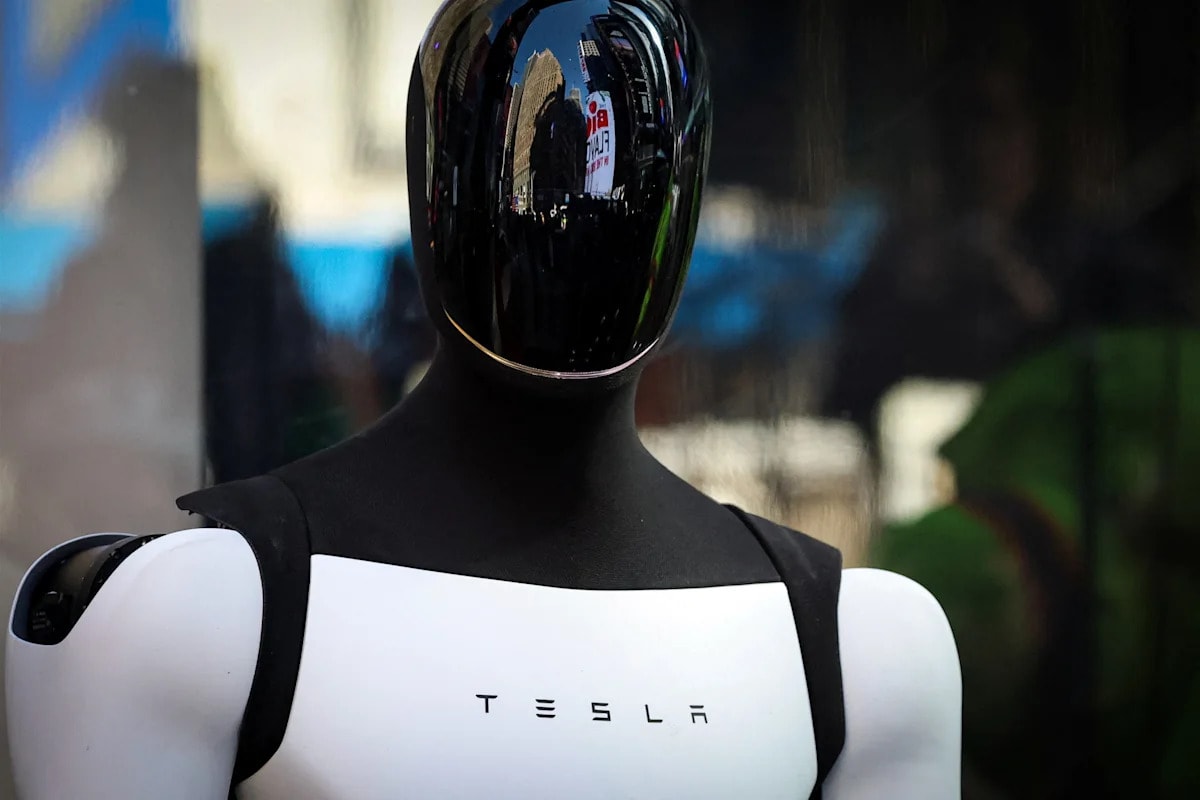
Tesla's robotaxi program experienced a 36% decline in paid miles during the second quarter, contradicting the company's aggressive autonomy goals. This downturn, paired with broader economic pressures, has significantly impacted investor confidence and Tesla's stock performance.
The Robotaxi Reality Check: Tesla’s Strategic Pivot
Tesla’s recent financial disclosures have revealed a stark discrepancy between the company’s ambitious rhetoric regarding autonomous transportation and its operational performance. Despite CEO Elon Musk’s vocal commitment to going "balls to the wall for autonomy," internal figures indicate that paid robotaxi miles actually plummeted by 36% in the second quarter. This decline, occurring even as the company expands into new geographic markets, highlights the significant friction involved in scaling unsupervised vehicle fleets.
The Gap Between Rhetoric and Results
For months, Tesla has positioned the robotaxi network as a cornerstone of its long-term valuation, envisioning a massive, cash-generating fleet. However, the latest data suggests that the transition from developmental testing to commercial viability is far more complex than anticipated. While Musk continues to frame the scaling of the program as a top priority—emphasizing safety and rapid expansion—the quarterly step-down in paid mileage signals that the company is struggling to maintain consistent commercial momentum.
Market Skepticism and Financial Pressures
This operational setback arrived at a precarious time for Tesla. With core business profits underperforming Wall Street expectations, the company is facing increased scrutiny from investors who are less tolerant of high-risk, long-horizon bets. The subsequent 13% plunge in Tesla’s stock price reflects a broader market anxiety regarding capital-intensive projects. Investors are increasingly wary of "spending that might not pay off," a sentiment exacerbated by a volatile macroeconomic environment characterized by rising bond yields and geopolitical instability.
The Macroeconomic Context
Tesla’s struggles cannot be viewed in a vacuum. The current economic landscape, marked by the rising cost of capital, has forced shareholders to re-evaluate the profitability of aggressive technology build-outs. When combined with external pressures such as fluctuating oil prices and global conflict, it becomes increasingly difficult for firms to justify massive expenditures on speculative AI and autonomous infrastructure. The market is signaling a shift from prioritizing growth at any cost to demanding immediate, tangible returns.
The Path Forward for Autonomy
Looking ahead, Tesla faces the dual challenge of technological validation and financial discipline. Musk’s attempt to temper expectations during the recent earnings call suggests an awareness of these mounting pressures. To regain market trust, Tesla must demonstrate that its robotaxi program can overcome its current stagnation and achieve consistent, scalable growth. Whether the company can bridge the chasm between its autonomous vision and the harsh realities of current market conditions remains one of the most critical questions in the automotive and tech sectors today.
Multiple Citing Sources