Option Volatility And Earnings Report For July 27-31
Source Entity
Yahoo Finance
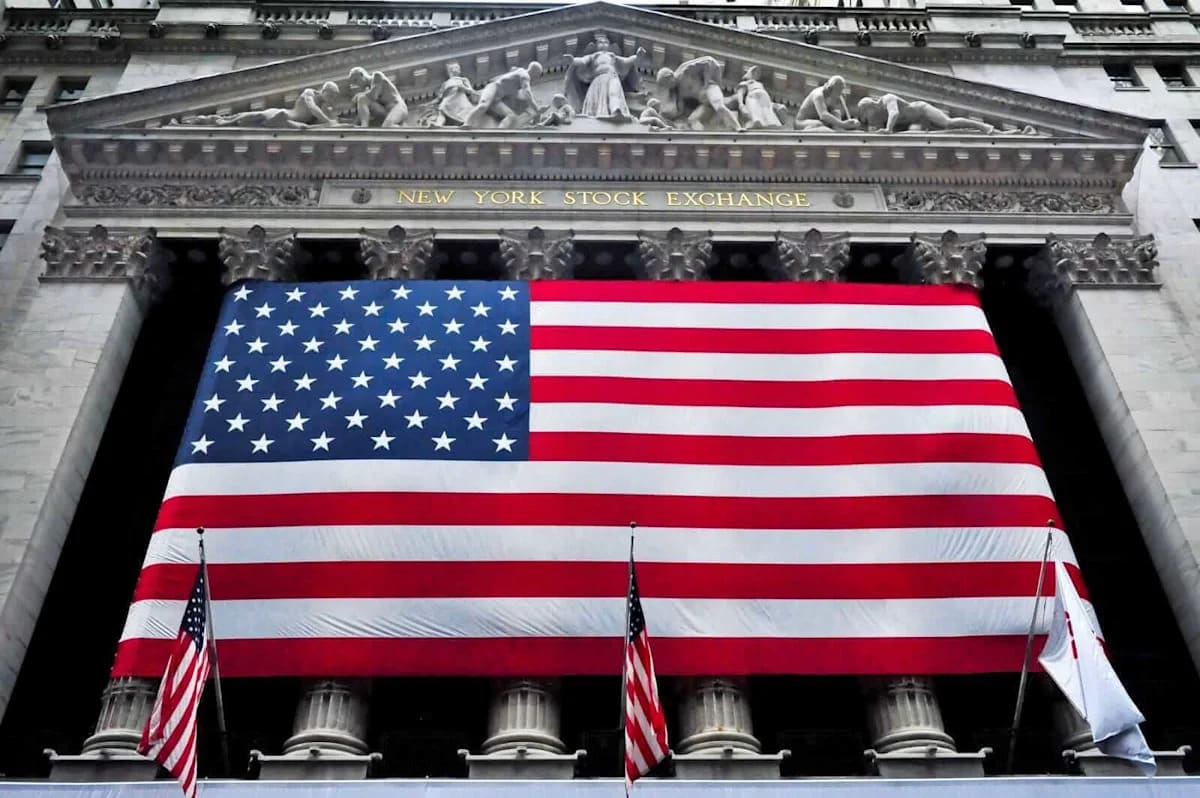
The market faces a pivotal week with major tech giants and corporations releasing earnings reports. High implied volatility in options trading reflects investor uncertainty ahead of these critical financial disclosures.
A Pivotal Week for Global Markets
The financial landscape is currently bracing for a monumental period as a collection of the world's most influential companies prepares to release their quarterly earnings reports between July 27 and July 31. This specific window is being viewed by analysts as a potential turning point for market sentiment, with the performance of industry titans like Apple, Microsoft, Amazon, and Meta Platforms serving as a bellwether for the broader economy. Given the sheer market capitalization and influence of these firms, the upcoming data will likely dictate the trajectory of major indices.
Understanding Implied Volatility
Central to this market activity is the concept of implied volatility (IV). As these companies approach their reporting dates, the market experiences heightened uncertainty regarding future performance. This ambiguity naturally drives speculators and institutional hedgers to increase demand for options contracts. In the world of derivatives, this surging demand acts as a catalyst for rising premiums, effectively making options more expensive as traders attempt to hedge against or profit from anticipated post-earnings price swings.
The Mechanics of Earnings Volatility
The phenomenon of high implied volatility is a hallmark of pre-earnings periods. Because the market lacks perfect foresight, the price of options is bid up to account for the potential 'surprise' factor inherent in these reports. Whether it is a tech giant like Meta or a financial disruptor like Coinbase or Robinhood, the market pricing reflects the collective anxiety and anticipation of shareholders who are repositioning their portfolios based on the expected outcome of these disclosures.
Post-Earnings Normalization
Typically, the volatility cycle follows a predictable pattern often referred to as 'volatility crush.' Once the earnings report is released and the uncertainty is resolved, the implied volatility usually drops significantly, returning to more normalized levels. This transition often leads to rapid price movements in the underlying assets as the market adjusts to the new financial information provided by the companies.
Diverse Sector Impact
The breadth of companies reporting this week—ranging from big tech (AAPL, MSFT, AMZN, META) to energy (XOM), consumer goods (SBUX), and fintech (HOOD, COIN)—highlights the comprehensive nature of this market event. Each sector faces unique headwinds, from inflationary pressures affecting Starbucks to regulatory and market-cycle concerns for Robinhood and Coinbase. Investors are looking for clues on how these diverse businesses are navigating the current macroeconomic environment.
Future Trends and Market Outlook
Looking ahead, the market's reaction to these reports will likely set the tone for the remainder of the quarter. If these industry leaders provide optimistic guidance and strong earnings, it may bolster investor confidence and sustain market momentum. Conversely, any significant misses could lead to a broader re-evaluation of valuations, particularly within the tech sector. This week is not merely a collection of reports; it is a critical litmus test for the resilience of the current market rally.