Met chief warns policing 'heading for failure' without reform
Source Entity
BBC News
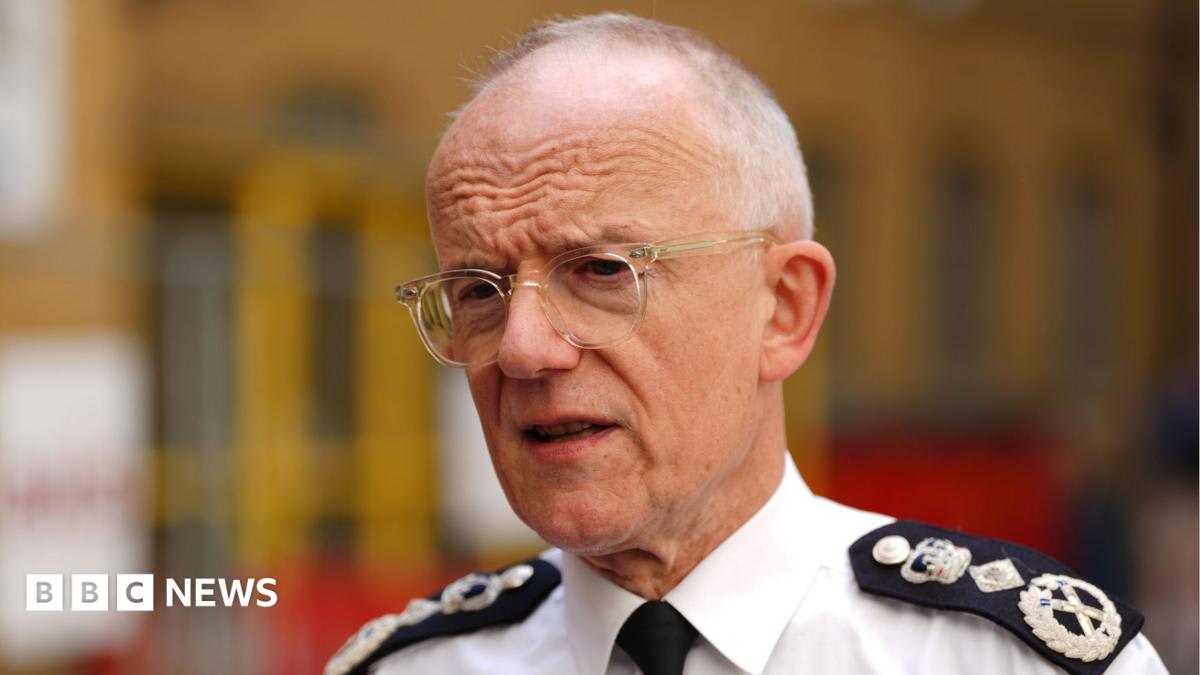
Metropolitan Police Commissioner Sir Mark Rowley has warned that the current UK policing structure is failing to address modern criminal sophistication. He proposes a radical overhaul, replacing the existing 43-force model with a three-tier system including a new National Police Service.
The Crisis of Modern Policing: A Call for Structural Reform
Metropolitan Police Commissioner Sir Mark Rowley has issued a stark warning regarding the future of law enforcement in England and Wales. By asserting that the current policing system is "heading for failure," Sir Rowley has brought the structural inadequacies of the existing 43-force model to the forefront of national debate. This assessment suggests that the current framework, which has remained largely stagnant for decades, is fundamentally ill-equipped to counter the rapid evolution of modern criminal enterprises.
The Sophistication Gap
At the heart of the Commissioner’s argument is the growing disparity between traditional police structures and the sophistication of contemporary criminals. Organized crime groups, fraud networks, and cyber-criminals now operate with a level of technical prowess and cross-border agility that local forces—often constrained by regional boundaries and fragmented resources—cannot effectively combat. The transition from physical, localized crime to digital and highly organized criminal networks has rendered the current decentralized model increasingly obsolete.
Proposed Structural Overhaul
Sir Mark’s proposal represents the most significant potential reorganization of British policing since the 1960s. He advocates for a three-tiered system designed to streamline accountability and increase operational efficiency. This model would include localized teams dedicated to neighborhood issues, regional forces that pool specialist resources, and the creation of a new National Police Service. This hierarchy aims to ensure that while local community engagement remains a priority, the most serious and complex crimes receive the specialized, high-level attention they require.
Consolidating Resources for National Security
By moving away from the 43-force structure, the Met chief seeks to eliminate the inefficiencies of fragmented law enforcement. Currently, regional forces often struggle to maintain the expensive, high-tech infrastructure required to track sophisticated cyber-criminals or large-scale fraud operations. A national tier would theoretically allow for the centralized procurement of technology and intelligence, ensuring that every region has access to the same high-level capabilities, thereby closing the 'sophistication gap' that criminals currently exploit.
Broader Implications and Future Trends
If adopted, this reform would signify a paradigm shift in how the state manages public safety. It implies an acknowledgement that crime is no longer a localized phenomenon, but a national and international systemic threat. The proposal suggests that the future of effective policing lies in the integration of specialized national units, which can act as a force multiplier for local officers. This shift would likely face significant political and logistical hurdles, given the long-standing tradition of local police independence in the UK.
Conclusion: The Path Forward
Sir Mark Rowley’s call to action highlights an urgent need for the police service to modernize in tandem with the criminals it aims to stop. As criminal tactics continue to evolve, the structural rigidity of the current system risks leaving the public vulnerable. Whether or not these specific reforms are enacted, the debate they have sparked is essential, as the effectiveness of law enforcement in the 21st century will depend heavily on the ability of the state to centralize expertise while maintaining a presence at the community level.