Fact check: Social media posts falsely claim Michelle Obama is pregnant, appeared in public with baby bump
Source Entity
Latest News: Todays Latest News Headlines from India & World | Hindustan Times | Hindustan Times
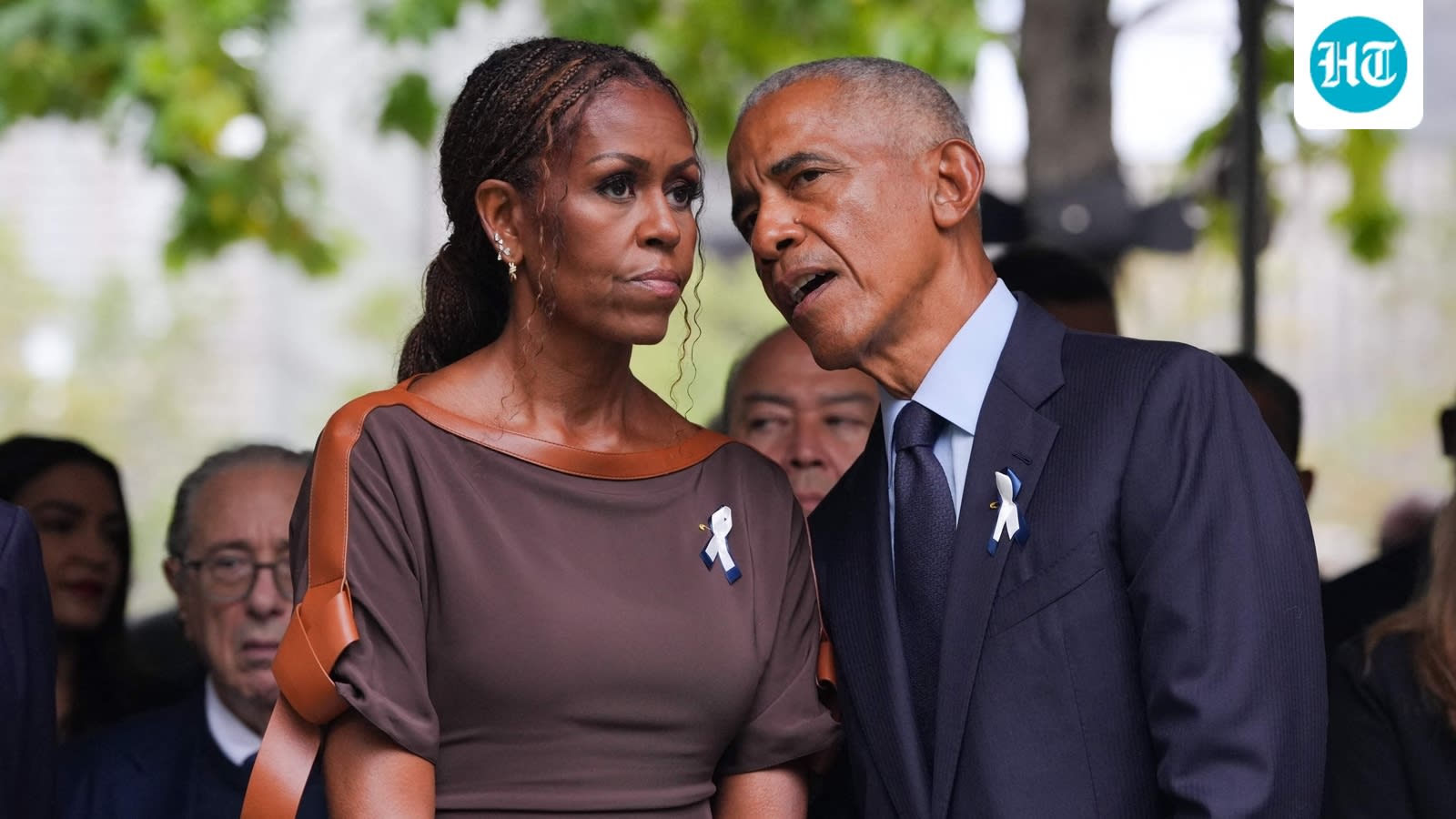
Social media users are spreading manipulated photos falsely claiming former First Lady Michelle Obama is pregnant. Fact-checkers have confirmed these images are digitally altered, originating from older fashion brand content.
The Anatomy of a Digital Fabrication
In an era defined by the rapid proliferation of visual media, the recent circulation of manipulated images depicting former First Lady Michelle Obama as pregnant serves as a stark reminder of the vulnerability of public figures to digital disinformation. Social media platforms have been inundated with claims suggesting that the 62-year-old was spotted in public with a visible baby bump. These claims, however, are entirely baseless and rely on the deliberate alteration of existing photographs to deceive viewers and generate viral engagement through shock value.
Origins of the Deception
The investigation into these viral posts reveals a calculated attempt to misrepresent reality. By utilizing photo-editing software, bad actors took legitimate images of the former First Lady and modified them to imply a physical change that does not exist. A critical analysis of the source material—specifically through reverse image search technology like Google Lens—confirms that the original, unedited photographs were published over a year ago by the lifestyle brand Jenny Bird. The original context of these photos was related to fashion styling, specifically highlighting a monochromatic look curated by Meredith Koop, rather than any biological development.
The Role of Artificial Intelligence in Fact-Checking
Interestingly, this incident highlights the evolving role of generative AI in digital discourse. When users queried the AI model Grok regarding the veracity of these rumors, the system provided an immediate, data-driven correction. By citing the former First Lady's actual age and cross-referencing recent video footage from mid-October 2026, which shows her with her characteristic toned physique, the AI successfully debunked the narrative. This serves as a case study in how AI tools, when properly calibrated, can act as a frontline defense against low-effort disinformation campaigns.
Broader Implications for Digital Literacy
The persistence of such rumors points to a deeper societal challenge regarding digital literacy. Misinformation campaigns often exploit the 'truth bias,' where viewers are more likely to believe a claim if it is accompanied by a visual artifact, regardless of its authenticity. Because these images were presented in a context that mimics news reporting or social commentary, they gained traction among users who failed to verify the source or the timeframe of the original imagery. This phenomenon underscores the necessity for users to exercise skepticism when encountering 'exclusive' visual evidence online.
Historical Context and Future Trends
Public figures, particularly those who have occupied the White House, have long been targets of speculative narratives. However, the sophistication of current editing tools has lowered the barrier to entry for spreading high-quality, deceptive content. As we look toward the future, the trend of 'cheapfakes'—images edited with simple tools rather than complex AI—will likely continue to plague social platforms. The ability to distinguish between curated fashion content and genuine news events is becoming an essential skill for the modern digital citizen. By relying on verifiable data and official sources, the public can mitigate the impact of these malicious fabrications.
Verification Required?