Michigan dad’s Halloween attraction drew 18,000 visitors; neighbour complaint sparks row
Source Entity
TOI WORLD DESK
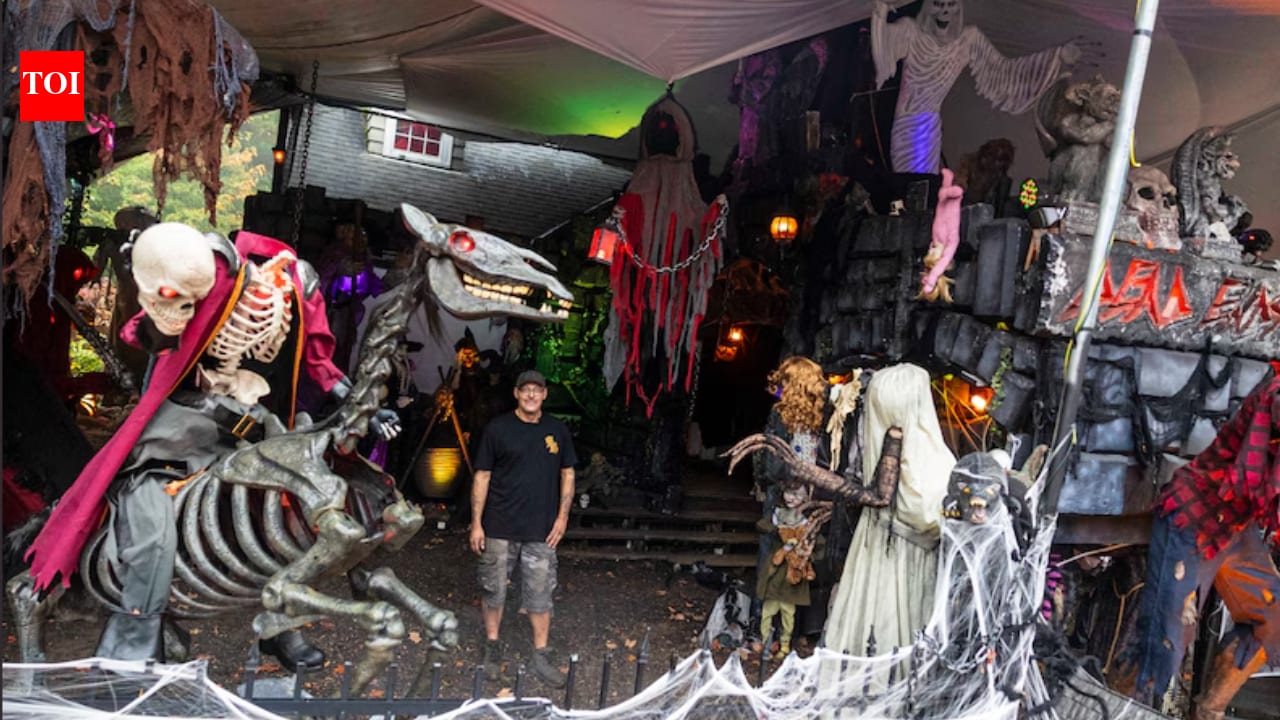
Nate Taylor’s 'Dead Ends on Spruce' Halloween display in Michigan has grown into a massive local attraction drawing 18,000 visitors. Despite facing legal challenges from city officials, the event continues to thrive while prioritizing inclusivity for children with special needs.
The Evolution of a Neighborhood Tradition
What began as a simple Craigslist transaction in 2017 has blossomed into a significant cultural touchstone for Traverse City, Michigan. Nate Taylor, a 49-year-old resident, responded to a modest offer of free Halloween decorations, unaware that he was laying the foundation for a community phenomenon. Today, his residence near Kid's Creek Park is transformed annually into 'Dead Ends on Spruce,' an immersive Halloween experience that has successfully scaled from a personal hobby to a major local attraction, drawing an impressive 18,000 visitors last October.
Technical Ambition and Inclusivity
The scale of 'Dead Ends on Spruce' is a testament to meticulous planning and creative dedication. The display now features 25 sophisticated, life-sized animatronics ranging from 6 to 12 feet in height, complemented by intricate soundscapes that craft a cohesive narrative experience. Beyond the technical spectacle, the event serves a vital social function. Taylor has prioritized accessibility by hosting special sessions tailored for children with special needs, ensuring that the joy of the holiday is shared equitably among all members of the community.
The Intersection of Public Interest and Municipal Regulation
As the event grew in popularity, it inevitably collided with local administrative frameworks. The transition from a quiet residential display to an attraction hosting thousands of visitors prompted intervention from city officials. These legal hurdles, initiated by neighbor complaints and municipal concerns regarding traffic and public safety, created a tense standoff. The dispute highlights the classic tension between private property rights, residential lifestyle, and the emergence of grassroots community events that outgrow their original settings.
Navigating Legal Hurdles
Despite the pressure from municipal letters and potential legal restrictions, Taylor has remained steadfast in his commitment to the project. The resilience shown by the organizer suggests a deep-seated belief in the value of community-building through shared seasonal celebrations. The persistence required to navigate these bureaucratic challenges underscores the complexity of modern community organizing, where even well-intentioned, non-commercial endeavors must contend with strict local zoning and public safety regulations.
Broader Implications and Future Trends
The success of 'Dead Ends on Spruce' reflects a growing trend in 'hyper-local' tourism, where residents create elaborate, high-quality attractions that rival professional venues. This movement suggests that communities are increasingly finding value in localized, authentic experiences over large-scale commercial alternatives. However, as these events gain traction, the future will likely see more municipalities developing specific frameworks to balance residential peace with the public demand for festive, community-driven entertainment.
Conclusion
Ultimately, the story of Nate Taylor and his Halloween display is a narrative of community spirit overcoming logistical obstacles. By successfully blending creative expression with a commitment to accessibility, Taylor has created more than just a seasonal display; he has fostered a sense of belonging in Traverse City. While the legal disputes underscore the challenges of scaling grassroots projects, the overwhelming public support suggests that 'Dead Ends on Spruce' has become an essential part of the local cultural fabric.