Trump Waives Russia Sanctions That Threatened 100% Tariffs On India
Source Entity
NDTV News Search Records Found 1000
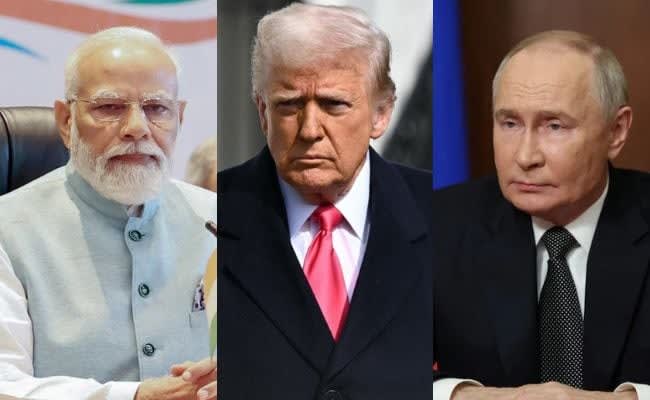
President Trump has issued an executive order pausing key provisions of the Lindsey O. Graham Sanctioning Russia and Iran Act of 2026. This decision halts potential 100% tariffs on countries like India that purchase Russian energy, citing national interest amidst shifting geopolitical priorities.
The Shift in U.S. Sanctions Policy
President Donald Trump has taken the significant step of issuing an executive order to pause a sweeping package of sanctions against Russia, specifically targeting provisions within the Lindsey O. Graham Sanctioning Russia and Iran Act of 2026. While the legislation was designed to cripple Russia’s financial ability to sustain its war effort in Ukraine, the President has utilized his executive authority to delay its implementation, citing the broader scope of U.S. national interests. This maneuver effectively creates a buffer for nations currently engaged in energy trade with Moscow.
Implications for Global Trade and India
A critical component of the Graham legislation was the authorization for the United States to impose tariffs of up to 100% on countries that continue to purchase Russian oil and gas. This provision placed major economies, most notably India and China, in a precarious position. By waiving these sanctions, the Trump administration has temporarily averted a potential trade war that could have had severe repercussions for the Indian economy and global supply chains. This decision reflects a prioritization of domestic energy price stabilization over the punitive economic measures originally envisioned by Congress.
The Geopolitical Balancing Act
The decision to waive these sanctions comes against a backdrop of warming relations between the Trump administration and the Russian leadership. This shift is further evidenced by the administration's intent to import Russian diesel to lower domestic energy costs ahead of the upcoming midterm elections. Such moves have drawn sharp criticism from lawmakers who argue that compromising on sanctions undermines the international pressure campaign intended to influence the conflict in Ukraine. The legislative backlash underscores the deep divide between the executive branch's pragmatic approach to energy prices and the legislative branch's commitment to isolationist economic policies.
Legislative Conflict and Executive Power
The Lindsey O. Graham Sanctioning Russia and Iran Act of 2026 was passed with overwhelming bipartisan support, representing a clear congressional mandate to utilize economic warfare as a tool of foreign policy. By blocking these measures, President Trump is testing the boundaries of executive power and his ability to override legislative intent. The tension between the White House and Capitol Hill is expected to intensify, particularly as the midterm elections approach and parties vie for control of Congress, with the sanctions issue becoming a central point of contention.
Future Trends and Strategic Outlook
Looking ahead, this executive order suggests that the U.S. is entering a phase of realpolitik where energy security and domestic inflation control may override traditional alliance-based economic pressures. For India and other nations reliant on Russian energy, this waiver provides a temporary reprieve from the threat of 100% tariffs, but it also highlights the volatility of international trade agreements in the current climate. Future relations will likely depend on whether the administration can justify these waivers to a skeptical Congress or if legal challenges will eventually force a modification of the current policy trajectory.
Verification Required?