Russia claims Dobropolye capture as Putin in uniform eyes full control of Donbas | Ukraine
Source Entity
Latest News: Todays Latest News Headlines from India & World | Hindustan Times | Hindustan Times
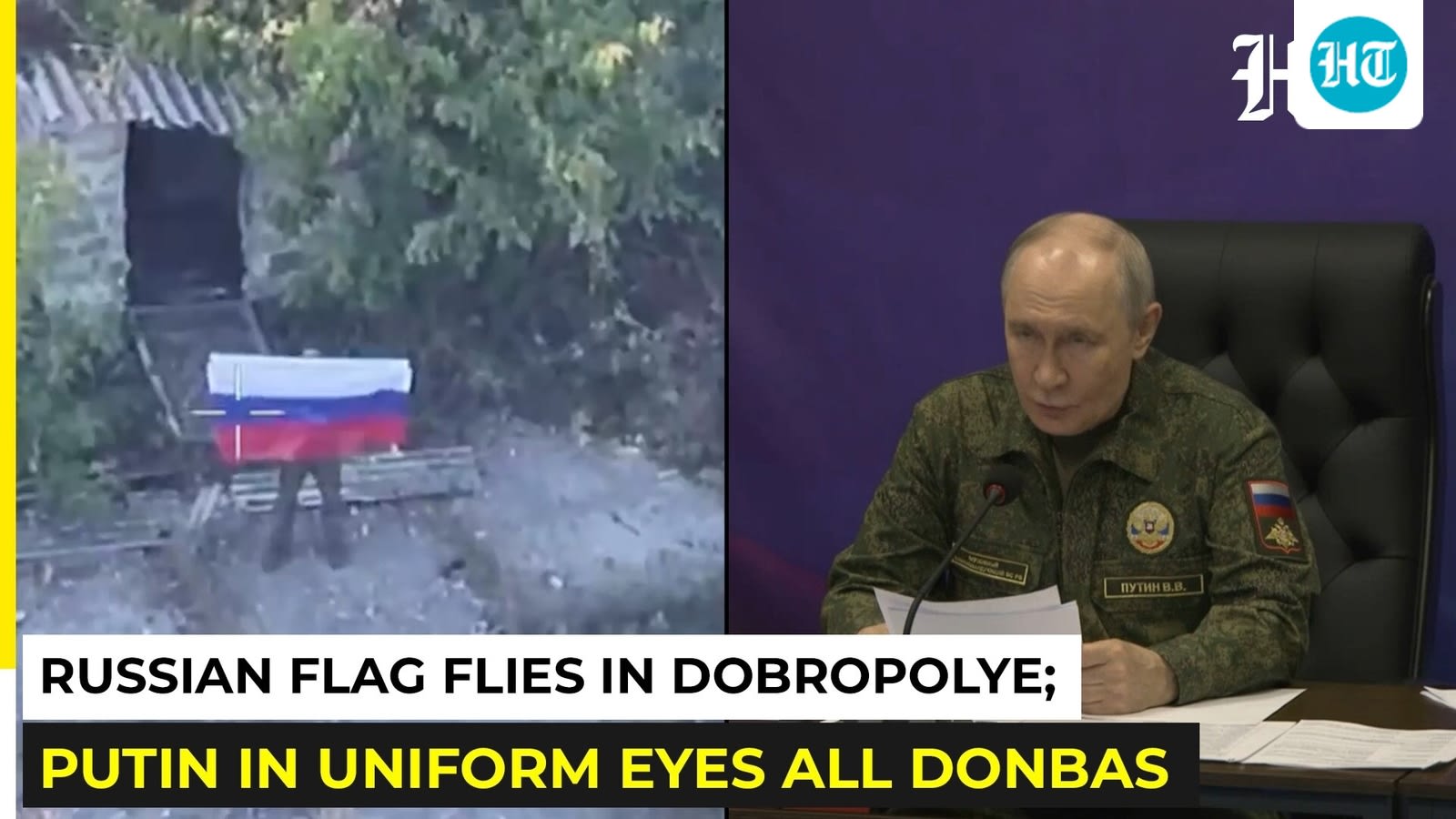
Russian President Vladimir Putin has announced the establishment of a buffer 'security zone' inside Ukraine, declaring it excluded from future peace talks. Moscow claims significant territorial gains in 2026, including the capture of 310 settlements and near-total control over the Donbas region.
Russia Announces Permanent 'Security Zone' Within Ukrainian Territory
Russian President Vladimir Putin has officially declared the implementation of a buffer “security zone” extending into Ukrainian territory. During a visit to a military command post, President Putin emphasized that this zone is intended to safeguard Russia’s borders against future incursions, particularly following the military events in the Kursk region during 2024-2025. According to Kremlin spokesperson Dmitry Peskov, this strategic buffer spans approximately 660 kilometers, with Russia currently asserting control over 70 percent of this defined area.
Exclusion from Future Peace Negotiations
One of the most significant aspects of this announcement is the Kremlin's explicit stance that this security zone will be excluded from any future peace negotiations. By framing the territory as a non-negotiable security requirement, Moscow is effectively setting a rigid precondition for any potential diplomatic dialogue. This move signals a hardening of the Russian position, suggesting that the Kremlin intends to maintain a permanent military presence in these border regions regardless of broader ceasefire agreements.
Territorial Claims and the Donbas Objective
In addition to the security zone, President Putin and Russian military leadership have reported extensive territorial gains since the start of 2026. Official statements claim that Russian forces have secured approximately 6,500 square kilometers and 310 settlements. A primary focus of these operations remains the Donbas region, with Putin declaring that Russia now maintains full control over the Luhansk People's Republic, while only about 10 percent of the Donetsk region remains outside of Russian control, including the recent reported capture of Dobropillia.
Strategic Implications of the 'Security Zone'
The establishment of a 660-km buffer zone represents a pivot in Russian military strategy, moving from purely offensive maneuvers to a focus on border consolidation. By linking this zone directly to the defense of Russian soil, the Kremlin is attempting to justify the continued occupation of Ukrainian land as a defensive necessity. This strategic layering complicates the conflict, as the zone serves as a physical barrier that complicates any future attempts by Ukraine to conduct operations near the Russian border.
Future Trends and Military Outlook
As the conflict enters the autumn-winter period, the Russian military leadership has outlined specific priorities centered on maintaining these territorial holdings and expanding the buffer. The focus on capturing the final 10 percent of Donetsk suggests that the Kremlin remains committed to total operational control over the Donbas. However, these figures, provided by Russian state sources, remain unverified by independent observers, and the actual frontlines remain subject to the fluid nature of ongoing combat operations.
Conclusion
The declaration of a permanent security zone and the aggressive pursuit of remaining territory in the Donbas indicate that the conflict is entering a stage of entrenched occupation. By removing these areas from the scope of potential diplomatic compromise, President Putin has created a challenging environment for future international mediation efforts, setting the stage for a prolonged period of instability along the border regions.
Multiple Citing Sources
Verification Required?