Microsoft logs $3.2B from Anthropic investment, but OpenAI was a mixed bag
Source Entity
Julie Bort
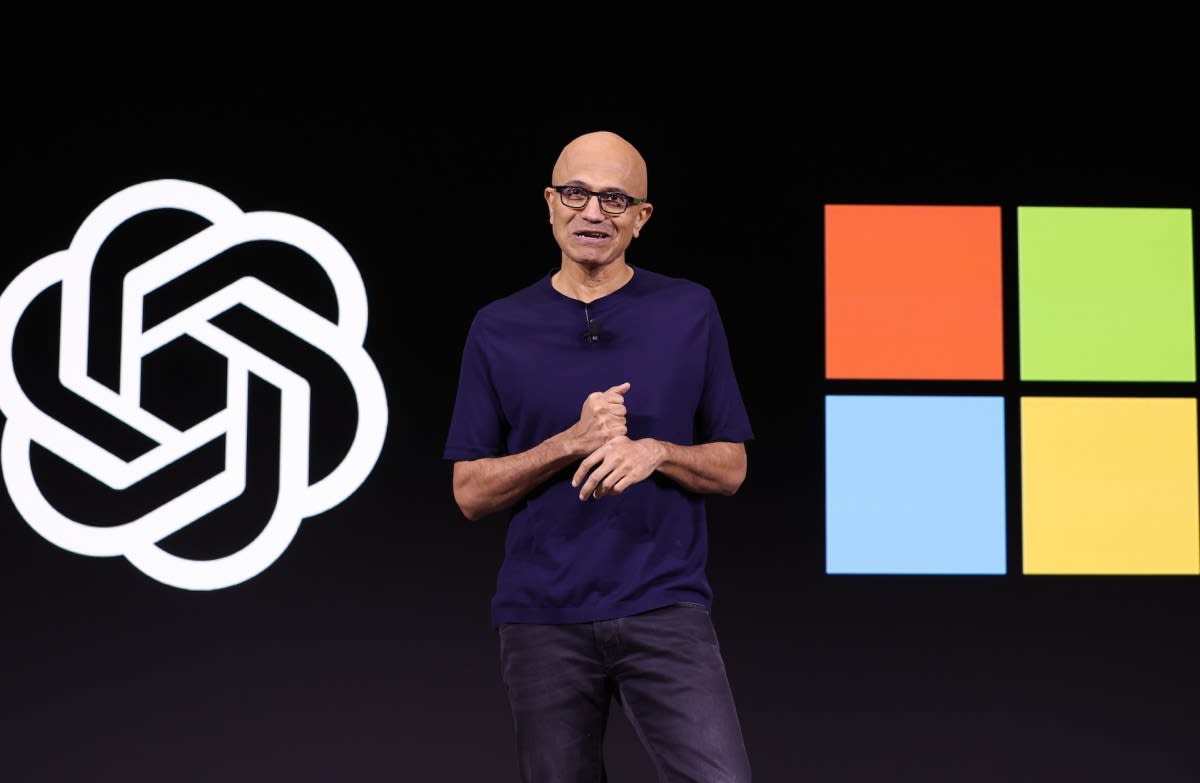
Microsoft has reported a significant $3.2 billion gain from its Anthropic investment while OpenAI faces pressure to prove its revenue growth amid rising competition. Microsoft is now balancing its role as a key cloud provider with its strategy to develop internal AI models to secure customer relationships.
The Shifting AI Landscape: Microsoft's Dual-Track Strategy
Microsoft’s fiscal 2026 fourth-quarter earnings reveal a complex and evolving strategy in the artificial intelligence sector. By reporting a $3.2 billion gain from its investment in Anthropic, Microsoft has highlighted the tangible financial rewards of its diversified AI portfolio. This investment, initiated in November 2025, is underpinned by a strategic agreement requiring Anthropic to commit $30 billion to Azure cloud services, effectively creating a symbiotic relationship between capital infusion and infrastructure utilization.
OpenAI Under Pressure
While Anthropic provides a clear financial win, OpenAI faces a more nuanced narrative. As competition intensifies from Anthropic and various open-source alternatives, OpenAI’s leadership, including CFO Sarah Friar and Board Chair Bret Taylor, has sought to reassure employees regarding the company’s health. By highlighting that July’s annualized recurring revenue surpassed the entirety of the second quarter, OpenAI is actively working to demonstrate that its growth trajectory remains robust despite the emergence of potent rivals.
The Internal Conflict of Interest
Microsoft currently occupies a unique, albeit precarious, position in the industry. It functions simultaneously as a major cloud service provider, a primary software-as-a-service (SaaS) giant, and a venture partner to the two most prominent AI labs in the world. As Microsoft posts blockbuster financial results—including a net income of $35.8 billion for the quarter—the inherent tensions between these roles are becoming more visible. The company must balance its investment gains with the need to maintain market dominance.
Building for Independence
CEO Satya Nadella has signaled that Microsoft is not content to rely solely on third-party labs. By pitching its own homegrown AI models and agentic infrastructure, Microsoft is taking proactive steps to protect its customer relationships. This suggests a future where Microsoft aims to reduce its dependency on external partners, ensuring that it remains the primary owner of the enterprise software ecosystem.
Broader Market Implications
The broader implication of these developments is the transition from an era of pure AI experimentation to an era of intense competition for enterprise dominance. As OpenAI and Anthropic push into agentic infrastructure, the risk of these labs eventually bypassing cloud providers to own the end-user relationship becomes a primary concern for Microsoft. The company’s move to develop its own competitors to these labs represents a defensive hedge against being marginalized by its own beneficiaries.
Future Trends
Looking forward, we can expect Microsoft to continue its 'coopetition' model, where it invests heavily in the ecosystem while simultaneously building internal alternatives to mitigate long-term strategic risks. The success of this strategy will depend on whether Microsoft can maintain its status as the 'plumbing' of the AI revolution—via Azure—while successfully pivoting its own product suite to offer superior, proprietary AI capabilities. The financial data from fiscal 2026 suggests that while the current model is highly profitable, the competition for the future of enterprise intelligence is only just beginning.