Microsoft’s Project Zenith is a ‘distraction-free Windows experience’ for developers
Source Entity
Tom Warren
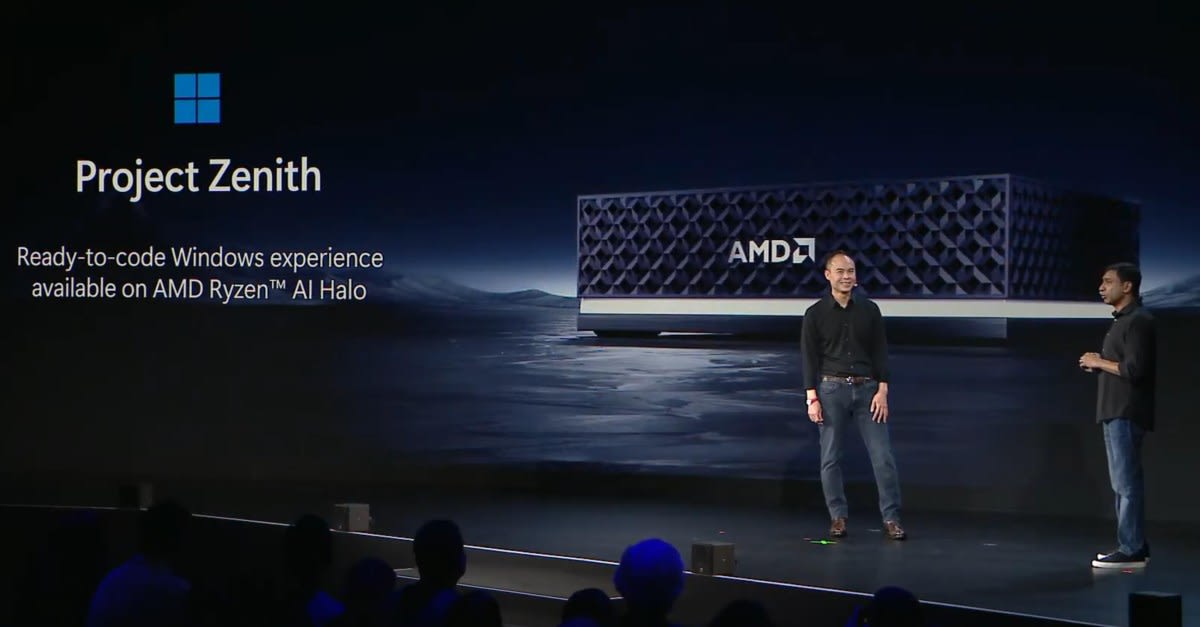
Microsoft has unveiled 'Project Zenith,' a developer-optimized Windows experience designed for high-performance hardware with 64GB+ of unified memory. The initiative aims to facilitate local execution of large 30B+ parameter AI models, reducing dependency on cloud-based processing.
The Emergence of Project Zenith
Microsoft has officially christened its latest initiative for the developer community as 'Project Zenith.' This developer-optimized Windows experience represents a significant shift in how Microsoft approaches the workstation environment, moving away from generic operating system builds toward a specialized, high-performance ecosystem tailored for the rigorous demands of modern software engineering.
Targeting High-Performance Hardware
A defining characteristic of Project Zenith is its strict hardware requirement: devices must feature 64GB or more of unified memory. This threshold underscores Microsoft’s commitment to supporting intensive computational tasks, such as local machine learning and complex software compilation, which require substantial overhead that standard consumer-grade hardware often struggles to provide consistently.
Empowering Local AI Development
According to Logan Iyer, CVP of Windows platform and developer at Microsoft, the core value proposition of Project Zenith is the ability to run large language models locally. By supporting 30B+ parameter models on-device, Microsoft is effectively democratizing access to high-end AI experimentation. This shift allows developers to iterate without the latency or cost associated with metered cloud tokens, providing a more fluid development workflow.
The Shift Toward Preconfigured Environments
Project Zenith is not merely a software update; it is a holistic approach to device configuration. By shipping with a preconfigured Windows environment and a curated suite of essential development tools, Microsoft aims to eliminate the 'time-to-first-code' friction that often plagues new hardware setups. This 'out-of-the-box' readiness is designed to ensure that developers can begin productive work the moment they power on their machines.
Strategic Implications for the Developer Ecosystem
By optimizing Windows specifically for these high-memory devices, Microsoft is positioning itself to capture a larger share of the professional developer market. The integration of local AI capabilities into the OS layer suggests that Microsoft views the future of development as an 'edge-first' paradigm. This reduces reliance on constant cloud connectivity and empowers developers to work in environments where data privacy and compute costs are significant concerns.
Future Outlook and Industry Impact
The introduction of Project Zenith signals a broader trend toward specialized computing hardware within the Windows ecosystem. As developers continue to integrate AI into their application stacks, the hardware requirements for their workstations will only continue to grow. Microsoft’s move to standardize this experience ensures that the Windows platform remains the primary choice for the next generation of AI-driven software development.