‘Mithun Chakraborty came from zero; today 5 studios run Bollywood’: Namashi Chakraborty
Source Entity
Gayatri Nirmal
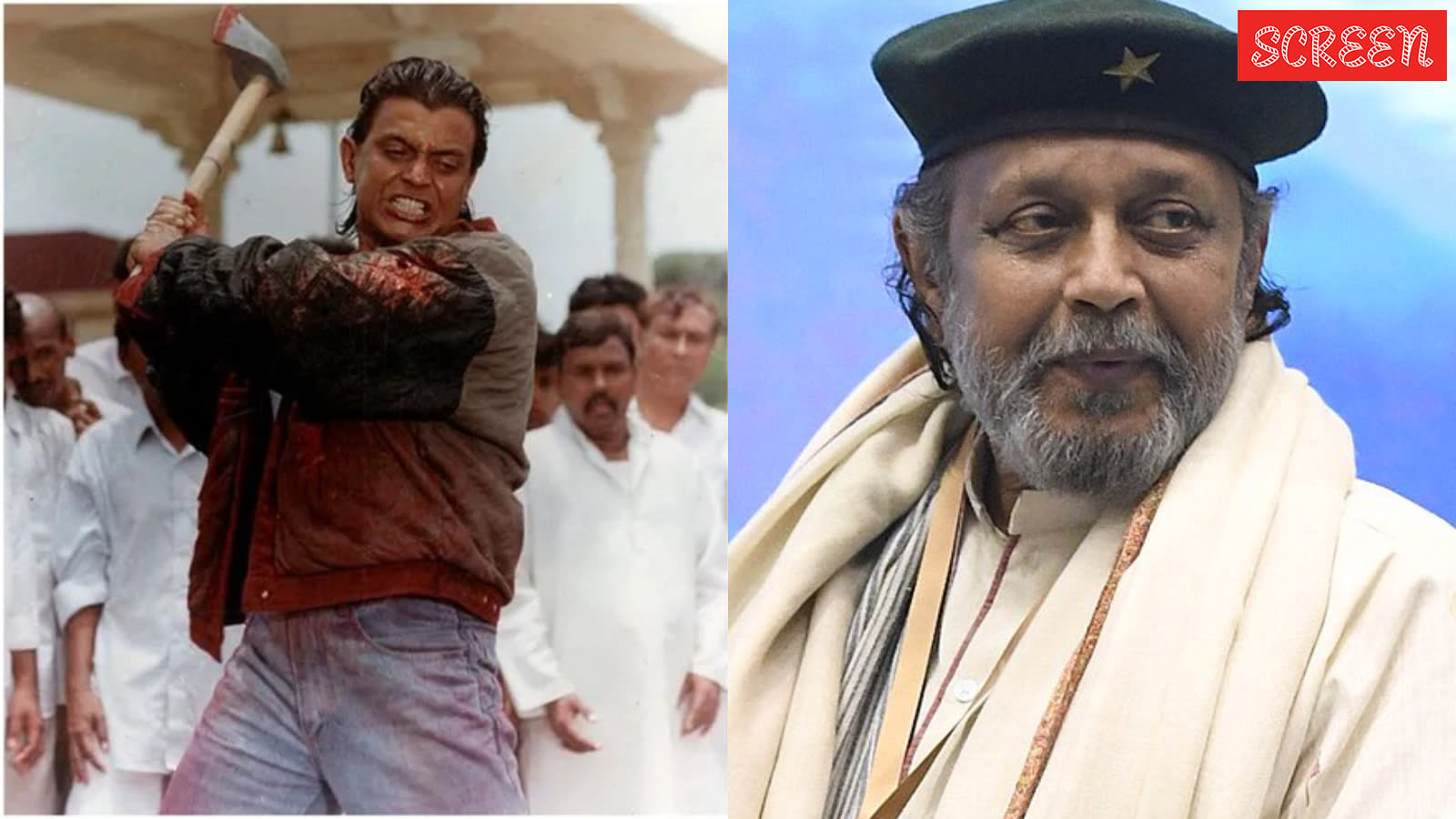
Namashi Chakraborty reflects on his father Mithun Chakraborty's rags-to-riches journey in Bollywood. He highlights the shift from independent production to the current dominance of a few major studios.
The Legacy of a Self-Made Icon
Veteran actor Mithun Chakraborty’s trajectory from humble beginnings to cinematic stardom remains one of the most compelling narratives in Indian cinema. Recently, his son, Namashi Chakraborty, provided a poignant reflection on this journey, emphasizing that his father started from absolute 'zero.' This narrative of struggle is not merely a personal anecdote but a testament to the grit required to penetrate an industry that historically relied on established connections rather than merit alone.
Overcoming Industry Prejudices
Namashi’s reflections touch upon the systemic hurdles his father faced, including the prejudices prevalent during his early career. In an era where the industry was less accessible to outsiders, Mithun had to navigate complex internal politics to carve out his space. His rise serves as a definitive case study for aspirants, proving that relentless perseverance can dismantle long-standing barriers, even when one begins without a safety net or familial backing.
The Shift in Economic Power
Beyond personal struggle, the discourse shifts to the structural evolution of the Indian film industry. Namashi points out a critical transition: the decline of independent producers and the rise of a concentrated studio system. Historically, independent filmmakers provided a diverse ecosystem that allowed for varied storytelling; today, the landscape is largely dominated by a few powerful production houses, which significantly alters the path for new talent entering the field.
The Impact of Modern Consolidation
This consolidation of power has profound implications for the current state of Bollywood. When production is centralized within a handful of studios, the industry risks homogeneity. Namashi’s critique suggests that the 'open' environment that once allowed for a self-made star like Mithun to thrive is increasingly elusive, as the business side of filmmaking becomes heavily reliant on corporate structures rather than the independent spirit that characterized previous decades.
Continued Relevance and Future Outlook
Despite the changing guard, Mithun Chakraborty remains a powerhouse, currently playing a key role in the highly anticipated 'Jailer 2' alongside Rajinikanth. His sustained relevance across generations underscores his versatility and enduring appeal. As the industry continues to evolve, the contrast between his grassroots rise and the current corporate-led model serves as a vital reminder of the need for authentic, ground-up talent in a medium often obsessed with spectacle.
Conclusion
In summary, Namashi Chakraborty’s insights offer a dual perspective: a celebration of a father’s legendary endurance and a critique of an industry’s changing economic landscape. By contrasting the 'zero to hero' journey of the past with the studio-dominated present, he highlights the challenges and shifts that continue to define the trajectory of Indian cinema today.