'Not talking about some 56-year-old youth': PM Modi takes apparent swipe at Rahul Gandhi
Source Entity
TOI NEWS DESK
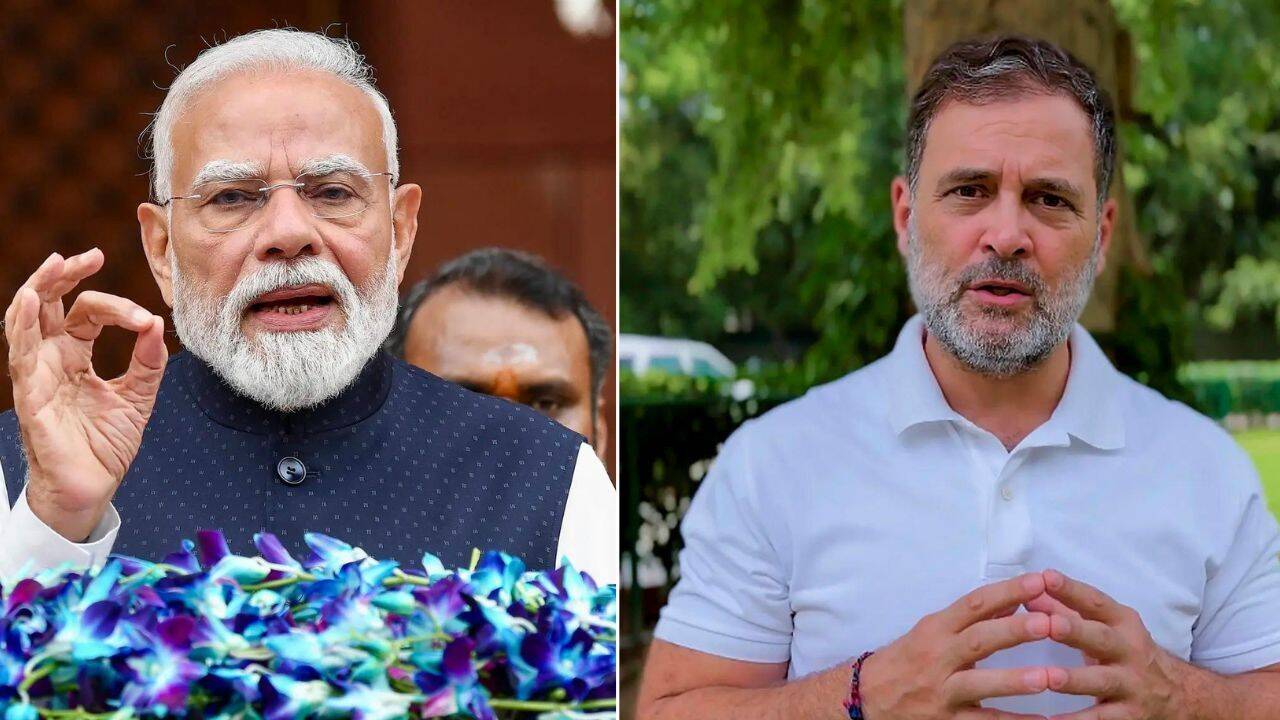
Prime Minister Narendra Modi took a veiled jab at Rahul Gandhi by contrasting the age of Congress leadership with the youth of India's space startup sector. The remark came as the PM urged for a productive Monsoon Session of Parliament.
Political Rhetoric Meets Scientific Achievement
Ahead of the Monsoon Session of Parliament, Prime Minister Narendra Modi utilized a media briefing to blend praise for India’s burgeoning private space sector with a pointed political critique. By highlighting the achievements of Skyroot Aerospace, a startup that has made significant strides in India's space exploration capabilities, the Prime Minister sought to frame the current national narrative around the vitality and innovation of the country's youth.
The 'Skyroot' Contrast
The core of the Prime Minister's commentary focused on the average age of the team at Skyroot Aerospace, which stands at twenty-eight. By emphasizing this specific demographic, Modi aimed to underscore the efficiency and technological prowess of India's new generation of entrepreneurs. This served as the foundation for his broader appeal for economic resilience, as he positioned these young innovators as the architects of India’s future industrial and scientific success.
A Veiled Jab at Leadership
In a sharp pivot, the Prime Minister contrasted these young innovators with what he termed a '56-year-old youngster.' While he did not explicitly name the Leader of the Opposition, the political context is clear, as the remark was widely interpreted as a direct swipe at Rahul Gandhi. This rhetorical device serves to categorize the opposition as aging or out of touch, while simultaneously championing the demographic that the BJP frequently targets as its core base of support.
Implications for the Monsoon Session
The timing of these comments—just before the commencement of the Monsoon Session—is highly strategic. Parliament sessions are frequently marked by intense friction between the ruling party and the opposition. By setting a tone of 'youthful innovation' versus 'stagnant leadership,' the Prime Minister is attempting to preemptively frame the legislative agenda, challenging the opposition to prove their relevance through productivity rather than obstruction.
Economic and Scientific Context
Beyond the political theater, the mention of Skyroot Aerospace highlights a critical shift in India’s economic policy: the liberalization of the space sector. By encouraging private players to enter a field once dominated entirely by the state-run ISRO, the government is signaling a long-term trend of privatization and market-driven growth. This focus on startup ecosystems is intended to bolster investor confidence during a period of global economic uncertainty.
Conclusion: The Future of Parliamentary Discourse
Ultimately, the Prime Minister’s comments serve two purposes: celebrating India's ascent as a space-faring power and sharpening the partisan divide. As the Monsoon Session progresses, it is expected that the opposition will likely counter this narrative, potentially focusing on issues of unemployment or inflation to challenge the government's rhetoric on economic resilience. The discourse remains a reflection of the larger battle for the narrative of 'New India,' where technological achievement and political legacy are increasingly intertwined.
Multiple Citing Sources