PM Modi, Zelensky Discuss Bilateral Ties, Peace Efforts In Russia War
Source Entity
NDTV News Search Records Found 1000
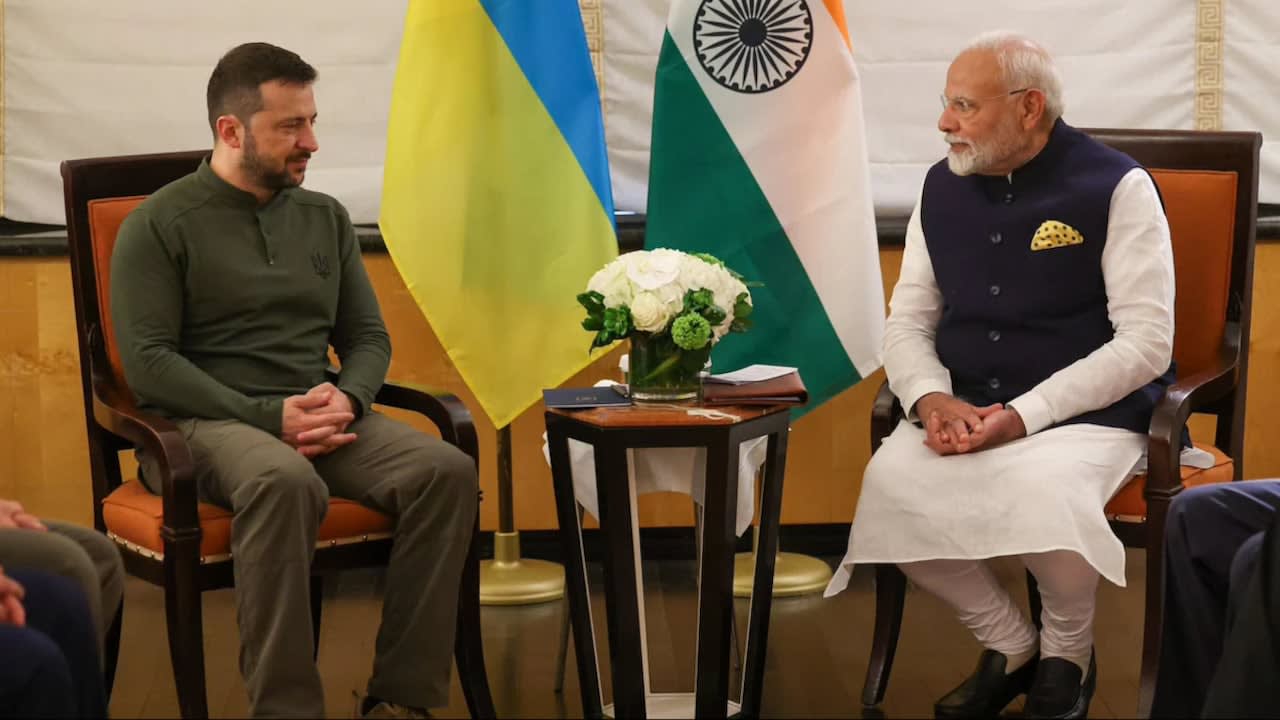
Prime Minister Modi and President Zelenskyy held a telephonic conversation on November 9, 2026, to discuss the ongoing Russia-Ukraine conflict and bilateral cooperation. PM Modi reaffirmed India's commitment to a peaceful, diplomatic resolution through a human-centric approach.
Diplomatic Engagement: PM Modi and President Zelenskyy Discuss Conflict Resolution
On November 9, 2026, Prime Minister Narendra Modi and Ukrainian President Volodymyr Zelenskyy engaged in a significant telephonic conversation to address the ongoing conflict between Russia and Ukraine. This dialogue serves as a critical touchpoint in India's broader diplomatic strategy, which seeks to balance its traditional ties with regional powers while maintaining a consistent call for peace, dialogue, and diplomacy.
India’s Human-Centric Diplomatic Doctrine
During the discussion, Prime Minister Modi reaffirmed India’s "human-centric approach" to the conflict. This stance emphasizes the humanitarian impact of the war, prioritizing the welfare of civilians and the restoration of stability over geopolitical posturing. By advocating for this framework, India positions itself not as a partisan actor, but as a potential bridge-builder capable of facilitating communication between conflicting parties who are otherwise entrenched in their respective military objectives.
The Role of Dialogue in Global Security
President Zelenskyy briefed the Prime Minister on the latest diplomatic developments and his perspective on the current state of the conflict. This exchange highlights the importance of keeping communication channels open between New Delhi and Kyiv. India’s reiterated readiness to contribute to all efforts aimed at a peaceful resolution signals a proactive, albeit measured, intent to support a framework that could eventually lead to a cessation of hostilities through negotiated settlement rather than military exhaustion.
Strengthening Bilateral Cooperation
Beyond the immediate concerns of the war, the conversation touched upon the strengthening of bilateral relations between India and Ukraine. Despite the challenges posed by the ongoing conflict, both leaders acknowledged the necessity of deepening cooperation across various sectors. This suggests a long-term commitment to a partnership that extends beyond the current crisis, focusing on mutual interests that will define the post-conflict bilateral landscape.
Future Implications and Global Positioning
As the global community continues to grapple with the fallout of the Russia-Ukraine war, India’s involvement remains a subject of intense scrutiny. By maintaining a neutral yet active stance, India seeks to protect its national interests while fulfilling its role as a responsible global stakeholder. The ability to speak candidly with both sides of the conflict allows New Delhi to exert a unique influence, potentially shaping the discourse around future peace talks.
Conclusion
The engagement between Prime Minister Modi and President Zelenskyy underscores the complexity of modern diplomacy. By focusing on a human-centric resolution and continued bilateral engagement, India remains committed to the principle that peace must be achieved through dialogue. As the situation evolves, the effectiveness of this approach will depend on the willingness of all parties to engage in substantive, results-oriented negotiations.
Verification Required?