Opposition MPs to march to Rashtrapati Bhavan over Delhi crackdown
Source Entity
Asad Rehman
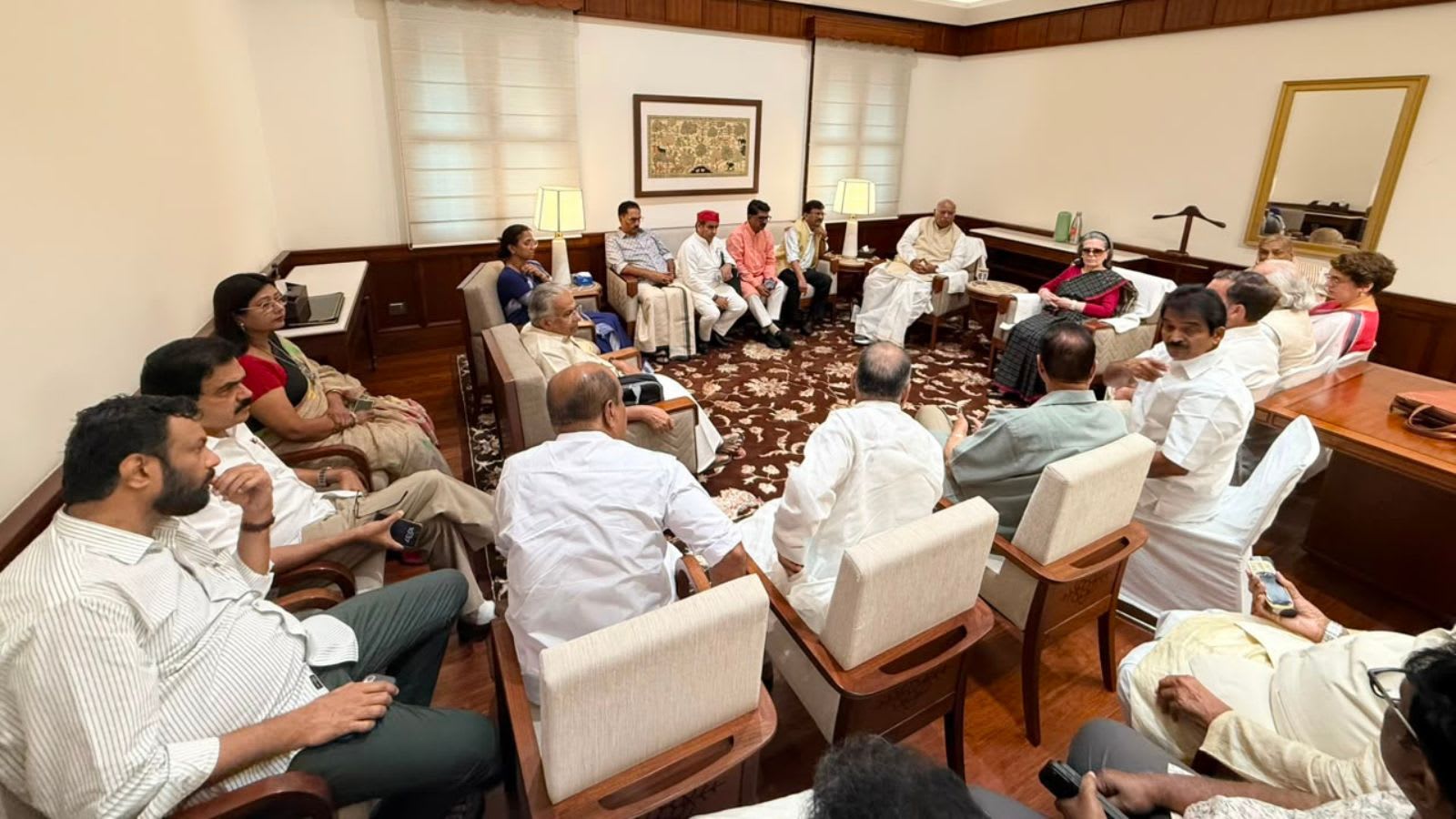
The Monsoon Session of Parliament faced immediate disruption as Opposition parties protested against NEET paper leaks and temple donation theft. Simultaneously, massive street protests in Delhi led to police intervention as demonstrators demanded the Education Minister's resignation.
Parliament Monsoon Session Paralyzed by Protests and Street Unrest
The Monsoon Session of Parliament commenced on Monday, July 20, 2026, under a cloud of intense political volatility. Within hours of convening, both the Lok Sabha and Rajya Sabha were forced into repeated adjournments due to vociferous protests from Opposition parties. The legislative agenda was effectively sidelined as members from the Congress, Samajwadi Party, and Trinamool Congress gathered in the Well of the House, signaling a highly confrontational session ahead.
Core Grievances: NEET and Ayodhya
The primary drivers of the parliamentary gridlock were allegations regarding the NEET paper leak and reports of theft concerning donations at the Ayodhya Ram Temple. These issues, which have gained significant traction in the public discourse, served as the focal point for the Opposition's strategy. By raising these concerns, the Opposition sought to corner the government on matters of both academic integrity and sensitive socio-religious administration.
Street Protests and Security Response
Parallel to the parliamentary disruption, the streets of Lutyens’s Delhi witnessed a massive mobilization. An estimated 50,000 protesters, largely mobilized by the Cockroach Janta Party (CJP), attempted to march toward Parliament to demand the resignation of Union Education Minister Dharmendra Pradhan. The scale of the demonstration necessitated a heavy-handed response from Delhi Police, involving lathicharges, tear gas, and water cannons across major thoroughfares including Ashoka Road and Raisina Road.
Legislative Stagnation vs. Judiciary Expansion
Despite the chaotic atmosphere, the government managed a singular piece of legislative business. Union Law Minister Arjun Ram Meghwal successfully introduced a Bill in the Lok Sabha aimed at replacing an Ordinance that increases the total strength of the Supreme Court of India from 34 to 38 judges. This move reflects a strategic government effort to address judicial pendency even amidst intense political friction.
Fragmented Opposition Dynamics
While the Opposition presented a united front in the Well of the House, fissures remain visible. The DMK, for instance, prioritized the Mekedatu water-sharing issue, choosing to bypass the Congress-led strategy meetings. Additionally, internal tensions within the Trinamool Congress were highlighted by shifts in seating arrangements for rebel MPs, suggesting that the broader legislative session may be complicated by both inter-party and intra-party dynamics.
Future Outlook and Trends
As the session progresses, the government faces the challenge of managing a hostile Opposition while navigating public outcry over exam irregularities. The intensity of the July 20 protests suggests that the 'street-to-Parliament' link will continue to define the session's tenor. Future trends indicate that unless the government offers a substantive platform for debate on the NEET issue, the washout of proceedings is likely to continue, further delaying critical legislative work.
Multiple Citing Sources