Parliament Live Updates: Monsoon session set for a stormy start as Opposition likely to raise NEET leak, Ram Temple ‘theft’
Source Entity
The Indian Express
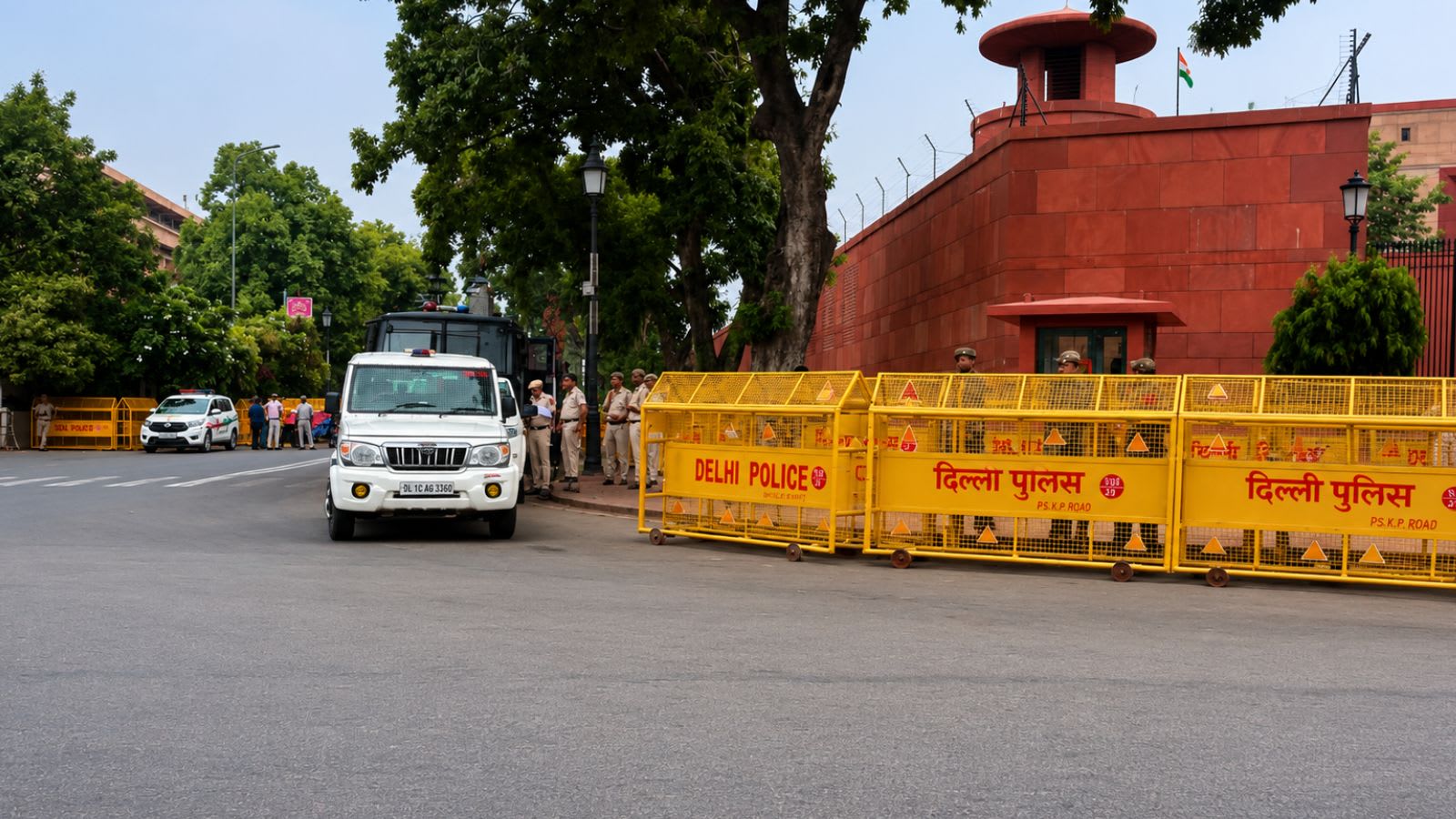
The Monsoon Session of Parliament begins with a volatile legislative agenda, highlighted by the push for the Women's Reservation Bill. Opposition parties, weakened by defections and internal fractures, face a government seeking to solidify its influence through strategic legislative maneuvers.
The Monsoon Session: Legislative Ambitions and Political Realignment
The upcoming Monsoon Session of Parliament arrives at a critical juncture in Indian legislative history, characterized by a complex interplay of high-stakes policy goals and shifting political loyalties. As the session commences, the government is poised to push for the Women's Reservation Bill, a legislative centerpiece that has historically faced significant hurdles. The success of this bill remains tied to broader debates regarding the Delimitation Bill, with critics raising concerns about its potential impact on the principles of federalism.
The Arithmetic of Power
The parliamentary landscape has undergone a notable transformation since the previous session. The Opposition, which previously found success in challenging key government bills, is now grappling with a diminished presence. The defection of 37 MPs across both the Lok Sabha and Rajya Sabha from four distinct anti-BJP parties has fundamentally altered the numerical balance of the House. This shift in "parliamentary arithmetic" provides the ruling dispensation with a strategic advantage as it looks to secure the passage of critical legislation, including the FCRA and the Viksit Bharat Shiksha Adhishthan bills.
Strained Diplomacy and All-Party Tensions
The atmosphere leading into this session has been marked by visible friction. The all-party meeting, intended to foster consensus, was overshadowed by an Opposition walkout. This protest was triggered by the government’s inclusion of a “rebel TMC” faction in the proceedings, an act the Opposition views as an attempt to undermine their collective bargaining power. Such incidents signal a deeply polarized session where procedural disagreements are likely to take precedence over collaborative governance.
Rhetoric and Reality in the House
Beyond the formal proceedings, the corridors of power are filled with pointed political commentary. During the all-party meeting, CPI(M) MP John Brittas highlighted the evolving nature of political alliances, using corporate terminology like "merger" and "acquisition" to describe the current state of political discourse. By cautioning smaller coalition partners about their diminishing relevance, Brittas underscored the growing anxiety among smaller parties regarding their autonomy within the current political framework.
Future Trends and Legislative Outlook
As the session progresses, the primary trend will be the government's attempt to consolidate its legislative agenda while the Opposition struggles to maintain a unified front. The persistent debate over the Delimitation Bill suggests that the Opposition will remain steadfast in its previous objections, viewing the government's strategy as a continuation of past policies rather than a new opening for compromise. The ability of the ruling party to navigate these tensions while managing the expectations of its coalition partners will determine the efficacy of this session.
Conclusion
Ultimately, this Monsoon Session serves as a microcosm of the current Indian political environment—a blend of ambitious national policy-making and intense partisan maneuvering. Whether the government can effectively leverage its improved numbers to pass landmark bills remains to be seen, but the underlying tensions regarding federalism, party loyalty, and representation ensure that the proceedings will be as contentious as they are significant.
Multiple Citing Sources