Monsoon session of Parliament LIVE: PM Modi addresses nation
Source Entity
India Latest News: Top National Headlines Today & Breaking News | The Hindu
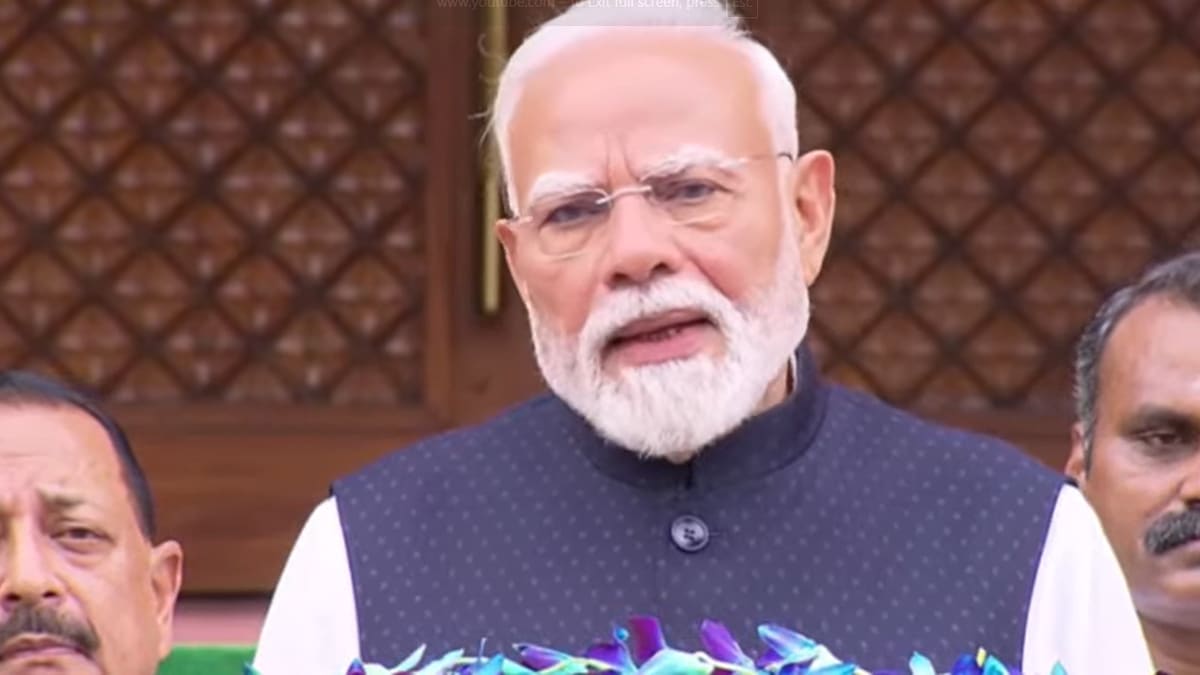
The Monsoon Session of Parliament begins with a tense atmosphere as the government pushes a major legislative agenda, including the Women's Reservation Bill. Opposition parties, weakened by recent defections, are clashing with the ruling bloc over procedural concerns and political realignments.
The Monsoon Session: A Legislative and Political Crossroads
The commencement of the Parliament's Monsoon Session marks a critical juncture in the nation’s legislative calendar. With a packed agenda that includes high-stakes items such as the Women's Reservation Bill and the Viksit Bharat Shiksha Adhishthan, the government is signaling an aggressive push to solidify its policy framework. However, the path to passing these bills is fraught with the complexities of shifting parliamentary arithmetic and intense opposition scrutiny.
The Shadow of Defection and Realigned Numbers
The political landscape has undergone a significant transformation since the last session. The Opposition, previously bolstered by its ability to block specific legislation related to delimitation and women's representation, now finds its influence challenged. The defection of 37 MPs from four anti-BJP parties to the ruling side has fundamentally altered the strength of the Opposition, creating a numerical imbalance that complicates their traditional strategy of obstruction and debate.
Contentious Legislative Agendas
Central to the session is the Women's Reservation Bill, a piece of legislation that remains deeply polarizing. The debate is no longer just about gender representation; it has become inextricably linked to the Delimitation Bill. Critics argue that the current linkage undermines federalism, while proponents view it as a necessary step for inclusive governance. This tension, coupled with the introduction of the FCRA and education-related bills, suggests that the session will witness fierce debates over the extent of federal authority versus central oversight.
Tensions at the All-Party Meeting
The pre-session atmosphere, usually a time for collaborative consensus, was marked by palpable friction. The walkout by Opposition members over the inclusion of a 'rebel' faction of the TMC at the all-party meeting underscores the breakdown of interpersonal and institutional trust. This incident serves as a microcosm of the broader hostility that is expected to define the floor proceedings throughout the coming weeks.
Rhetoric and Reality in the House
Humor and political barbs have become the new currency of parliamentary discourse, as evidenced by the lighthearted yet pointed exchanges between CPI(M) MP John Brittas and the treasury benches. Brittas’s remarks regarding the corporate-style 'mergers' and 'acquisitions' of political parties highlight a cynical view of current political realignments. These interactions, while seemingly trivial, reveal a deep-seated anxiety among smaller parties about their diminishing relevance in a landscape dominated by a more aggressive ruling party.
Future Trends and Outlook
Looking ahead, the Monsoon Session is likely to serve as a bellwether for the remaining tenure of the current government. If the administration successfully manages to leverage its new numerical advantage to pass the Women's Reservation Bill, it will represent a major victory for their policy agenda. However, the persistence of the Opposition in challenging the legitimacy of these maneuvers—as articulated by leaders like Manickam Tagore—suggests that the legislative process will remain a site of constant conflict rather than consensus.
Multiple Citing Sources
Verification Required?