Monsoon Session begins today; Oppn set to target Centre over Ram temple row, NEET, E20
Source Entity
KUMAR RAKESH
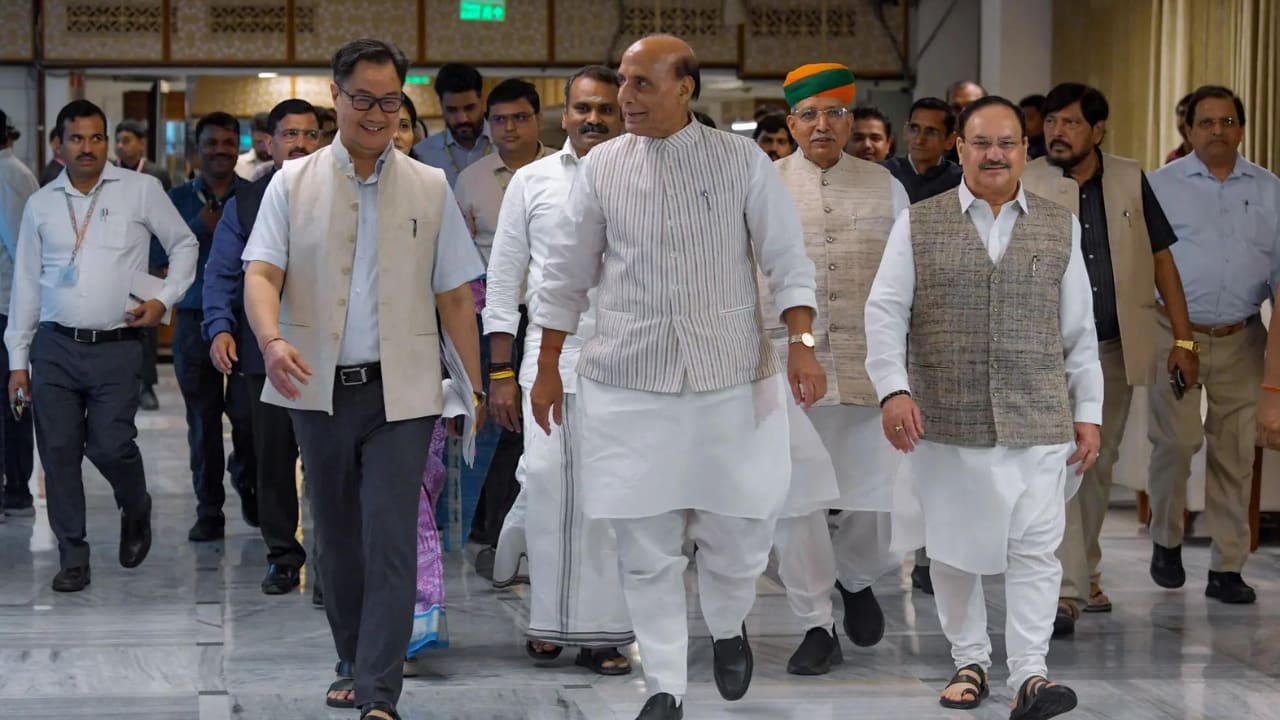
The upcoming Monsoon Session of Parliament faces significant legislative challenges amid shifting political alliances and opposition walkouts. Key issues include the Women's Reservation Bill and concerns over the government's influence on regional party relevance.
The Monsoon Session: A Landscape of Legislative and Political Flux
As the Parliament prepares to convene for the Monsoon Session, the atmosphere in New Delhi is defined by a complex intersection of ambitious legislative goals and a volatile political landscape. The government enters the session with a packed agenda, aiming to push through critical legislation such as the FCRA and the Viksit Bharat Shiksha Adhishthan. Central to this session is the renewed attempt to pass the Women’s Reservation Bill, a piece of legislation that has historically faced significant hurdles, including debates over its link to the Delimitation Bill and concerns regarding federalism.
Shifting Arithmetic and Opposition Challenges
The parliamentary arithmetic has undergone a notable transformation. The Opposition, despite having successfully challenged the government on earlier iterations of delimitation and reservation bills, now finds its position weakened. With reports of 37 Members of Parliament from four anti-BJP parties switching allegiances to the ruling side, the Opposition’s ability to block or stall key government initiatives is significantly diminished. This shift has created a sense of urgency and frustration within the Opposition ranks, as evidenced by their walkout during the all-party meeting over the inclusion of a "rebel TMC" faction.
The All-Party Meeting: Tensions and Humor
The recent all-party meeting, intended to set the tone for the session, reflected the underlying tensions of these political realignments. While the environment was described as unusually sombre, a notable intervention by CPI(M) MP John Brittas provided a brief moment of levity and sharp political commentary. Brittas utilized the language of corporate finance—referencing "acquisitions, mergers, and takeovers"—to critique how the BJP is absorbing regional parties. This remark underscored the existential anxiety felt by smaller parties like the TDP and JDU regarding their long-term political relevance within the current power structure.
Legislative Hurdles and Ideological Debates
Beyond the political maneuvering, the core of the session remains the legislative agenda. The debate surrounding the Women’s Reservation Bill continues to be a point of contention. While proponents view it as a necessary step for gender equality in representation, critics argue that the specific implementation models, especially when tied to delimitation, threaten the federal structure of the country. These ideological battles are expected to dominate the floor time, as the government seeks to secure support for its vision of 'Viksit Bharat'.
Future Trends and Strategic Outlook
As the session progresses, we can expect a highly charged environment where the government’s "adjusted strategies" will be tested against a desperate and reorganized Opposition. The move by the Cockroach Janata Party (CJP) to march to Parliament signals that street-level protests will likely mirror the intensity of the parliamentary debates. Ultimately, the success of this Monsoon Session will depend on whether the government can navigate the growing discomfort among its allies and whether the Opposition can regain its footing despite a fractured and depleted parliamentary presence.
Multiple Citing Sources