Why China is giving away its best AI models
Source Entity
Robert Hart
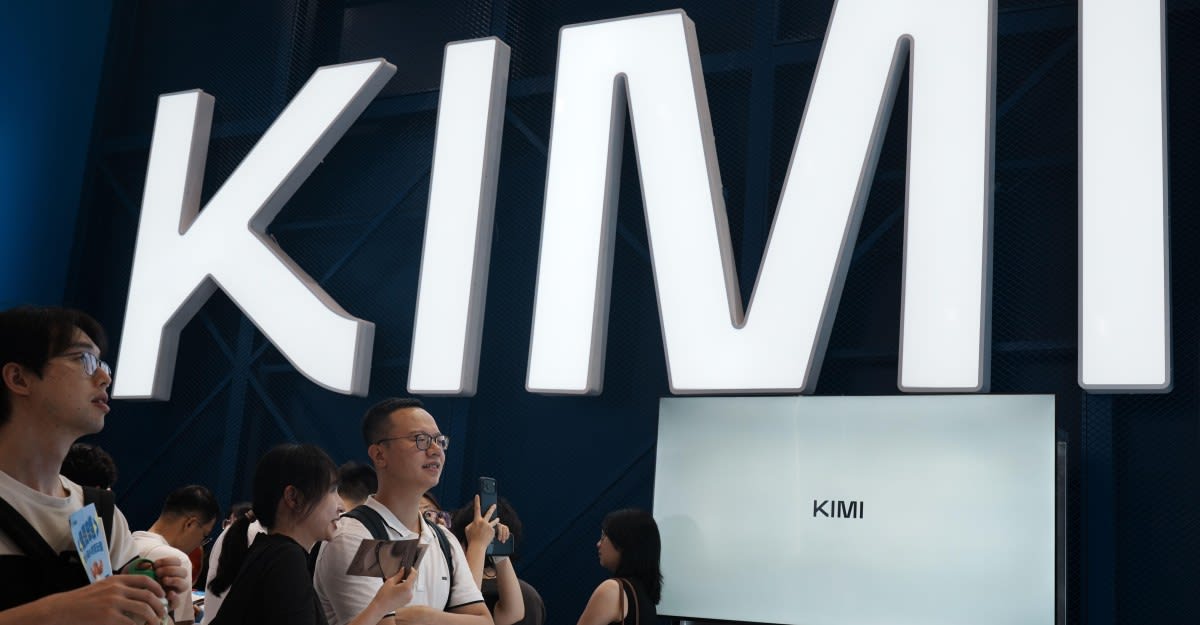
Moonshot AI's release of the Kimi K3 model has disrupted the AI landscape by offering high performance at a lower cost. By open-sourcing its weights, the company is challenging the dominance of closed-system American AI models.
The Shift in Global AI Dynamics
The emergence of Moonshot AI’s Kimi K3 has sent shockwaves through Silicon Valley, signaling a transformative moment in the global artificial intelligence race. By delivering performance metrics that rival top-tier American models while maintaining a significantly lower cost structure, Kimi K3 is fundamentally altering the competitive calculus for industry incumbents. This development is not merely a technical milestone; it represents a strategic pivot in how Chinese AI developers are positioning themselves on the global stage.
Challenging the Proprietary Paradigm
At the heart of the current tension is Moonshot AI’s decision to release the model’s weights for free. For years, major US-based AI laboratories have operated under a 'closed' model, treating their proprietary systems as guarded assets. By contrast, the open-weight strategy adopted by Moonshot AI democratizes access, allowing developers to inspect internal functions, run models on local infrastructure, and build customized products without the constraints imposed by proprietary APIs. This move directly threatens the moat that many American companies have built around their technology.
Strategic Implications for US Dominance
This release has fueled deep-seated unease regarding the long-term viability of closed-source dominance. As increasingly capable open alternatives from China enter the market, the traditional advantage enjoyed by American firms—often derived from high-cost, proprietary ecosystems—is being eroded. The ability for third-party developers to iterate and innovate atop these open weights means that the barrier to entry for high-performance AI is lowering, effectively commoditizing capabilities that were once exclusive to a few Western tech giants.
The Economics of Competitive AI
Cost-efficiency is a central pillar of the Kimi K3 rollout. By achieving high-level performance at a fraction of the cost associated with US counterparts, Moonshot AI is positioning itself to capture significant market share among developers and businesses that are price-sensitive or concerned about platform lock-in. This economic advantage serves as a powerful incentive for international adoption, potentially forcing a global reassessment of the current AI supply chain and software dependency.
A New Frontier of International Rivalry
The targeted nature of this release, specifically aimed at US users, underscores a broader trend of cross-border competition. This is no longer a race conducted in silos; it is an active, open-market contest where technical prowess and accessibility are being leveraged as geopolitical tools. The move to open-source highly competitive models suggests that China is betting on an ecosystem-based strategy, prioritizing widespread integration and developer adoption to challenge the established status quo.
Future Trends and Market Outlook
Looking ahead, the success of Kimi K3 will likely force a strategic rethink among American AI firms regarding their own release policies. If the market demonstrates a clear preference for the flexibility and cost-effectiveness of open-weight models, we may see a shift toward more transparent or collaborative development cycles in the West. Ultimately, the AI landscape is transitioning toward a more decentralized, competitive, and highly volatile environment where the traditional leaders can no longer rely solely on proprietary protectionism to maintain their edge.