Making sense of the panic over Chinese AI
Source Entity
Anthony Ha
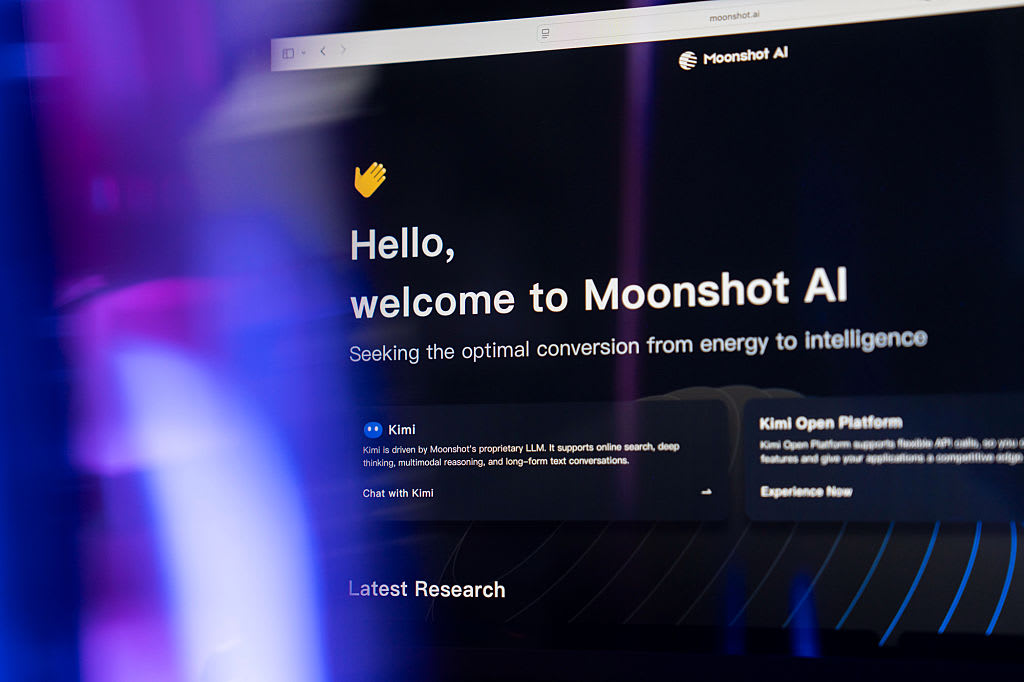
The emergence of Moonshot AI's Kimi model has sparked significant anxiety among U.S. tech firms and regulators. This reaction highlights growing tensions over global AI competitiveness and the debate between open and proprietary model safety.
The Rise of Moonshot AI and the Silicon Valley 'Panic'
The recent release of Moonshot AI’s Kimi model has sent ripples through both Silicon Valley and Wall Street, igniting a fierce debate regarding the trajectory of Chinese artificial intelligence development. As discussed on the Equity podcast, the launch of Kimi is not merely a technical milestone but a geopolitical flashpoint that has reignited long-standing anxieties concerning American technological hegemony. This development has forced stakeholders to grapple with the reality that the race for generative AI supremacy is no longer a localized phenomenon.
The Lobbying Effort: Safety or Protectionism?
Behind the scenes in Washington, D.C., the reaction has been tangible. Industry leaders, most notably OpenAI and Anthropic, have reportedly begun lobbying regulators to voice concerns regarding open-source Chinese models. This lobbying effort reflects a fundamental tension in the industry: the balance between promoting open innovation and maintaining national security. By framing the proliferation of these models as a potential risk, these companies are effectively maneuvering to ensure that regulatory frameworks favor their own proprietary ecosystems.
Historical Parallels and Tech 'Freakouts'
As noted by Sean O’Kane on Equity, the current apprehension feels like a recurring cycle of technological panic. Silicon Valley has a history of reacting to external advancements with a blend of skepticism and defensive urgency. This 'freakout' culture is often driven by the expectation that a disruptive foreign innovation will suddenly upend existing market dynamics. However, such reactions often overlook the incremental nature of AI progress, suggesting that the current discourse may be more reactionary than grounded in immediate systemic threats.
Open vs. Proprietary: The Core Conflict
The debate surrounding Kimi is emblematic of a broader schism in the AI community: the struggle between open-source accessibility and the walled-garden approach of proprietary models. Proponents of open models argue that they democratize access to intelligence, while critics—now including major U.S. AI firms—contend that open models, particularly those originating from China, could pose risks to intellectual property and safety standards. This conflict is increasingly becoming the defining narrative of the global AI race.
Future Trends and Global Implications
Looking ahead, it is likely that Washington will continue to be a primary battleground for these companies. As Chinese firms like Moonshot AI demonstrate significant capabilities, U.S. regulators will face increasing pressure to balance the need for domestic AI growth with the perceived threats from abroad. The outcome of these discussions will likely shape the future of AI development, potentially leading to stricter export controls, increased oversight of model weights, or a shift in how open-source models are governed globally.
Conclusion
The panic over Moonshot AI’s Kimi serves as a microcosm for the complex geopolitical landscape of the 21st century. While the immediate reaction may be characterized by intense speculation, the underlying issues—national competitiveness, model safety, and the openness of innovation—are profound. As the industry matures, the ability of policymakers to navigate these competing interests will determine whether the future of AI remains a collaborative global endeavor or a fragmented, nationalistic landscape.