Forget expensive sleepbuds. Buy this pillow instead
Source Entity
Thomas Ricker
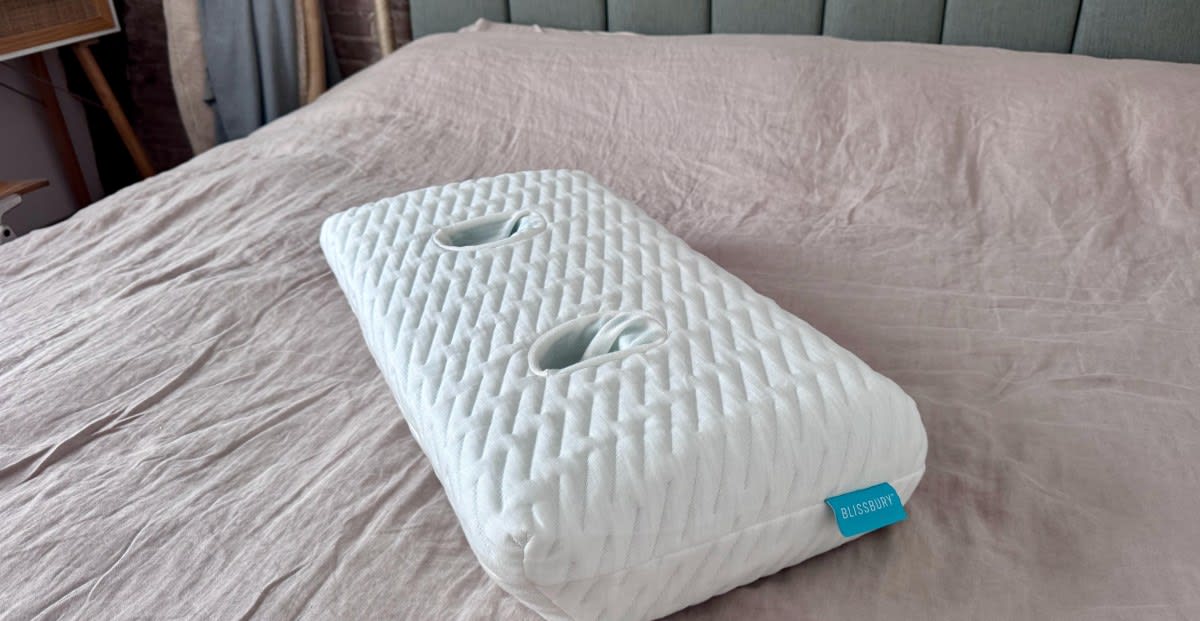
Tech journalists are increasingly questioning the necessity of expensive, specialized sleepbuds. Instead, they suggest simpler, low-cost alternatives that avoid common technical pitfalls like battery life and connectivity issues.
The Rise and Fall of Niche Sleep Tech
In recent years, the consumer technology market has been flooded with 'miniature marvels of engineering' designed to solve the universal human struggle of achieving restful sleep. Companies like Anker and Ozlo have pioneered the sleepbud sector, marketing high-tech, flush-fitting earplugs that allow users to stream white noise, podcasts, or music directly into their ears while they drift off. These devices are specifically engineered for side-sleepers who traditionally find standard earbuds uncomfortable.
The Hidden Costs of Convenience
While the technological sophistication of these devices is undeniable, the value proposition is increasingly under fire. With premium price tags often exceeding $200, these sleepbuds represent a significant investment for a luxury feature. Critics argue that the reliance on complex hardware introduces a host of 'life’s little problems'—specifically the need for constant charging, the frustration of dropped Bluetooth connections, and the inevitable degradation of small lithium-ion batteries over time.
Analog Alternatives vs. Digital Over-Engineering
There is a growing movement among tech commentators to pivot back toward simpler, more robust solutions. The argument posits that if the end goal is to mask ambient noise or provide comfort for sleep, high-fidelity audio streams are not always necessary. Low-tech alternatives, such as specialized ergonomic pillows or acoustic-dampening headgear, offer a 'set it and forget it' experience that requires no firmware updates or power cables.
The Durability Factor
One of the most compelling arguments against specialized sleep tech is the concept of planned obsolescence. Electronic devices, especially those used for several hours every night, face significant wear and tear. A pair of sleepbuds that lasts two years is considered a success by modern manufacturing standards, whereas a well-made, non-electronic sleep aid can last for decades. This contrast highlights a broader shift in consumer behavior toward sustainability and long-term utility.
Future Trends in Sleep Tech
Looking ahead, the market for sleep aids is likely to bifurcate. On one hand, we will continue to see advancements in biometric-tracking wearables that monitor REM cycles and respiratory health. On the other, there is a clear demand for 'dumb' technology—products that provide comfort and silence without the overhead of connectivity. As consumers become more fatigued by the 'Internet of Things,' the appeal of non-connected, reliable sleep solutions will likely continue to grow.
Conclusion
Ultimately, the choice between a $200 pair of smart earbuds and a low-cost, durable alternative boils down to whether the user values the convenience of integrated audio or the reliability of a passive device. While sleepbuds represent the pinnacle of miniaturized audio engineering, they are not a panacea for all sleep issues. For many, the best technology for a good night's rest might be the simplest solution available.