40 UP villages pool funds to build own bridge
Source Entity
KRISHNA CHAUDHARY
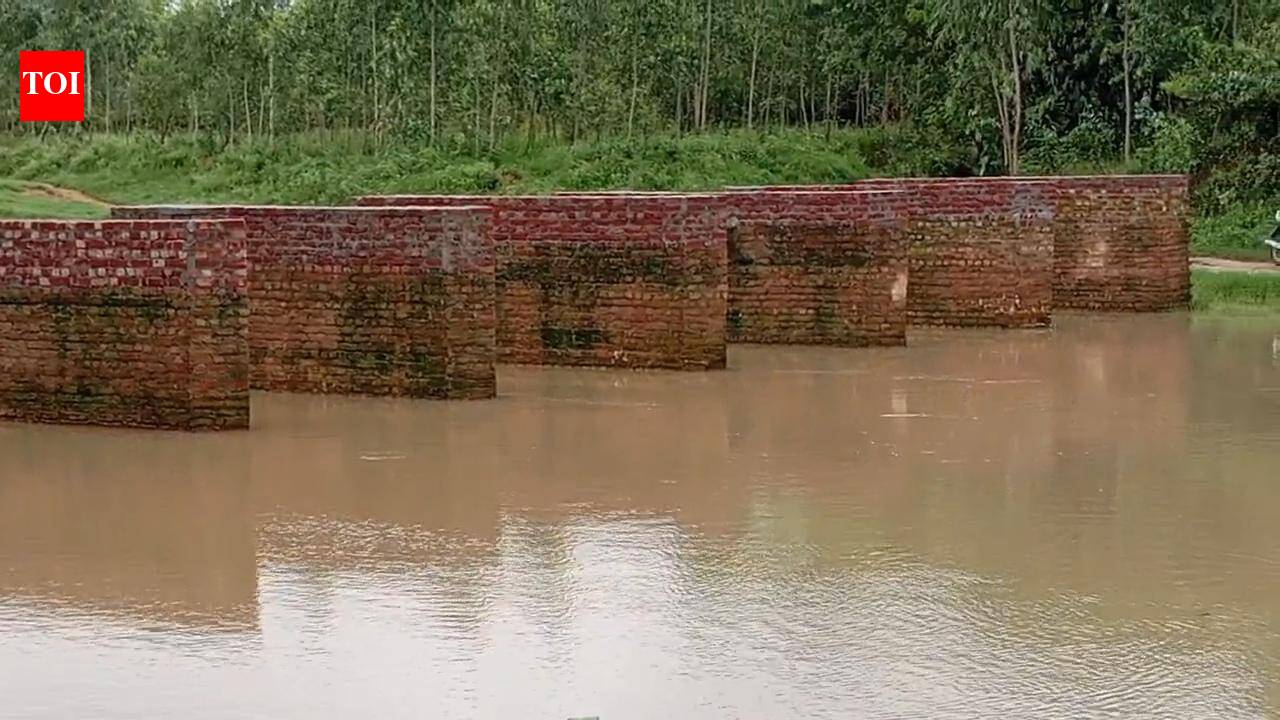
Residents of 40 villages in Moradabad are pooling funds to construct an independent bridge due to infrastructure delays. The local administration has blocked the project, citing that the construction is unsanctioned.
Grassroots Infrastructure Initiatives in Moradabad
In a significant display of community mobilization, residents across 40 villages in the Moradabad district have taken the initiative to pool their own financial resources to construct a bridge. This endeavor highlights a deep-seated frustration with the pace of regional infrastructure development, as villagers seek to bypass bureaucratic hurdles that have historically left their communities isolated or forced to rely on inefficient transit methods. By self-funding this project, these citizens are signaling a shift toward localized governance and direct action to address basic connectivity needs.
The Conflict Between Civic Agency and Regulation
The Moradabad administration has responded by declaring that it will not permit the construction of the structure. Officials maintain that the bridge is an 'unsanctioned' development, citing safety, regulatory, and legal standards that must be met before any infrastructure project can span public waterways or land. This stance underscores the tension between the immediate, urgent needs of rural populations and the state's mandate to ensure safety and adherence to standardized engineering protocols.
Broader Implications of Infrastructure Gaps
The situation in Moradabad serves as a microcosm for the broader challenges facing rural India, where connectivity remains a critical bottleneck for economic growth. When local governments fail to provide timely infrastructure, the resulting isolation limits access to healthcare, education, and markets. While the administration’s refusal is rooted in legal compliance, the incident poses a difficult question regarding how the state can better facilitate, rather than merely obstruct, grassroots efforts to resolve persistent development deficits.
Historical Context and Regulatory Hurdles
Historically, unauthorized infrastructure projects—often termed 'self-help' projects—face significant opposition due to liability concerns. If a government-sanctioned bridge fails, the state bears the responsibility for maintenance and safety audits. In this case, the Moradabad administration’s intervention is likely driven by a need to prevent the construction of a structure that lacks the necessary environmental clearances, structural integrity reports, and long-term maintenance plans required by law.
Future Trends in Rural Development
Looking forward, this event may push local authorities to reconsider their engagement strategies with rural communities. If the desire for self-funded infrastructure continues to grow, there may be a need for a new administrative framework that allows for community-led projects to be integrated into official government plans through technical oversight rather than outright bans. Without such a mechanism, the gap between the administrative process and the needs of the rural population will likely continue to spark similar confrontations.