Punjab invokes 1911 law to keep garbage moving during strike
Source Entity
Jagpreet Singh Sandhu
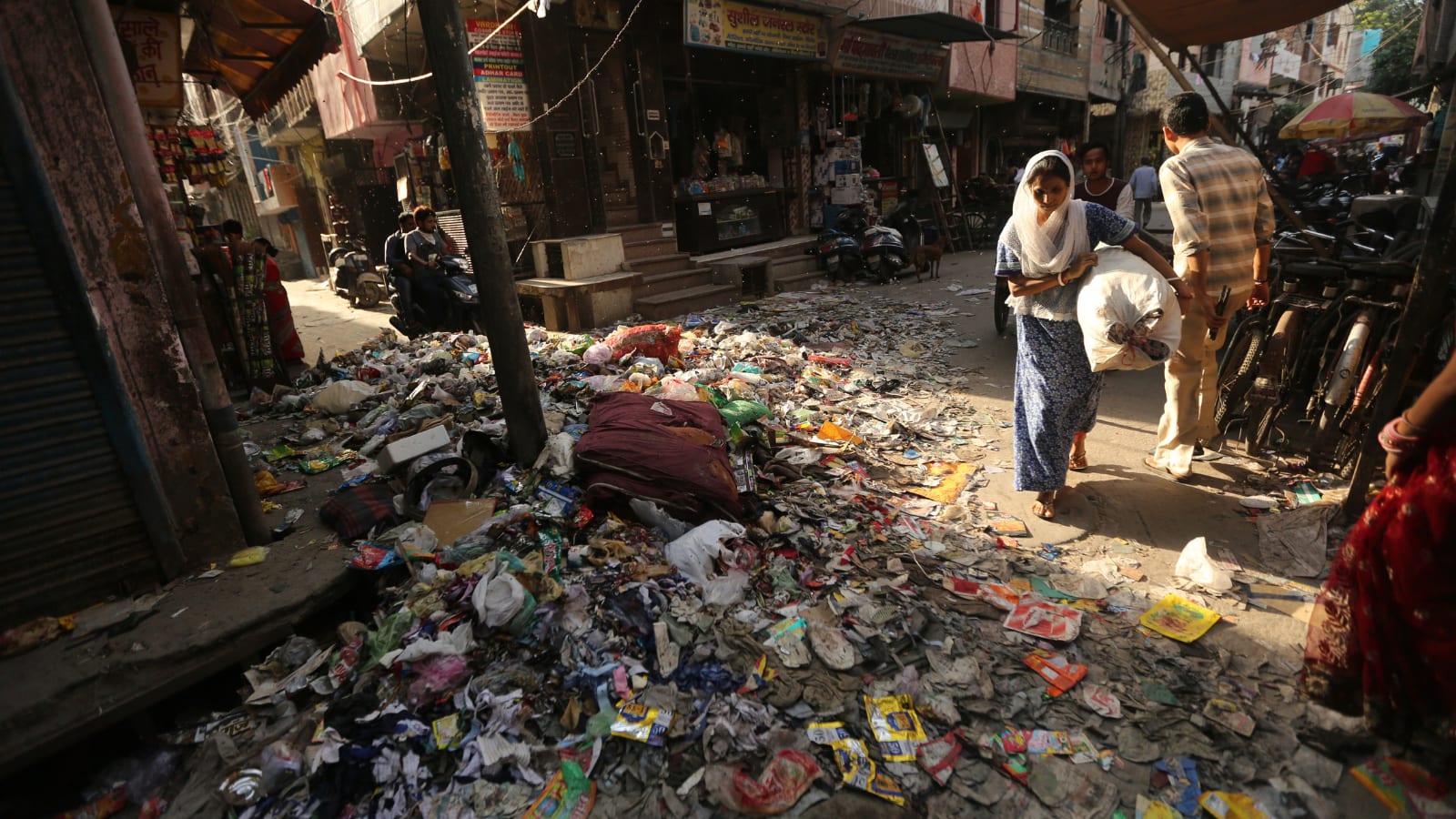
The Punjab government has suspended Barnala DSP Satvir Singh following a violent lathicharge against striking sanitation workers. Meanwhile, the state has invoked a 1911 law to ensure uninterrupted waste management services during the ongoing labor protests.
Accountability in Punjab: DSP Suspended Following Sanitation Workers' Protest
The recent suspension of Barnala Deputy Superintendent of Police (DSP) Satvir Singh marks a significant moment of administrative accountability within the Punjab Police force. The action, taken by the office of the Director General of Police (DGP), follows an investigation into a violent lathicharge against sanitation workers who were exercising their right to protest in Barnala city. The incident, which occurred on a Wednesday, necessitated an immediate internal review, resulting in the DSP being attached to the 4th Commando Battalion at SAS Nagar while the probe continues.
The Role of Oversight and Disciplinary Action
The disciplinary measures were enacted under Rule 4(1)(a) of the Punjab Police (Punishment and Appeal) Rules, 1970. The decision was heavily influenced by a comprehensive report submitted by the Deputy Inspector General (DIG) of the Patiala range, Kuldeep Singh Chahal. By relying on an external review from a senior officer, the Punjab administration aims to maintain transparency and ensure that the use of force by law enforcement remains within the bounds of legal and ethical conduct, especially when dealing with civic labor disputes.
The Legal Landscape: Invoking the 1911 Law
Parallel to the police disciplinary actions, the Punjab state government is grappling with the wider implications of the sanitation workers' strike, which has threatened municipal hygiene across the state. In response to the growing crisis, the government has invoked a century-old legislative tool—a 1911 law—to ensure that the collection, lifting, transportation, and disposal of municipal solid waste continue without interruption. This move underscores the state's prioritization of public health and urban sanitation over the unrest caused by labor disputes.
Judicial Oversight and Public Interest
The ongoing strike has not escaped the notice of the judiciary. During a session at the Punjab and Haryana High Court, a bench presided over by Justice Pankaj Jain reviewed the state’s strategy. Secretary (Local Government) Ghanshyam Thori submitted an affidavit detailing the government's contingency plans, which are designed to remain in effect until a permanent resolution to the sanitation workers' strike is achieved. The court has adjourned the matter to August 11, reflecting the gravity of the situation and the need for a balanced approach between labor rights and public welfare.
Broader Implications for Labor and Governance
This sequence of events highlights the intricate balance between managing essential public services and respecting the rights of workers to protest. As urbanization continues to increase in Punjab, the reliance on efficient waste management systems makes sanitation workers indispensable. The tension between the government’s insistence on public hygiene and the workers' grievances creates a volatile environment that requires careful mediation. Future trends suggest that the state will likely need to move toward more robust collective bargaining frameworks to prevent such crises, as the use of colonial-era laws and disciplinary suspensions can only serve as temporary stopgaps.
Multiple Citing Sources