Motorola is going ultra premium with its $1,600 ‘Signature’ phone
Source Entity
Allison Johnson
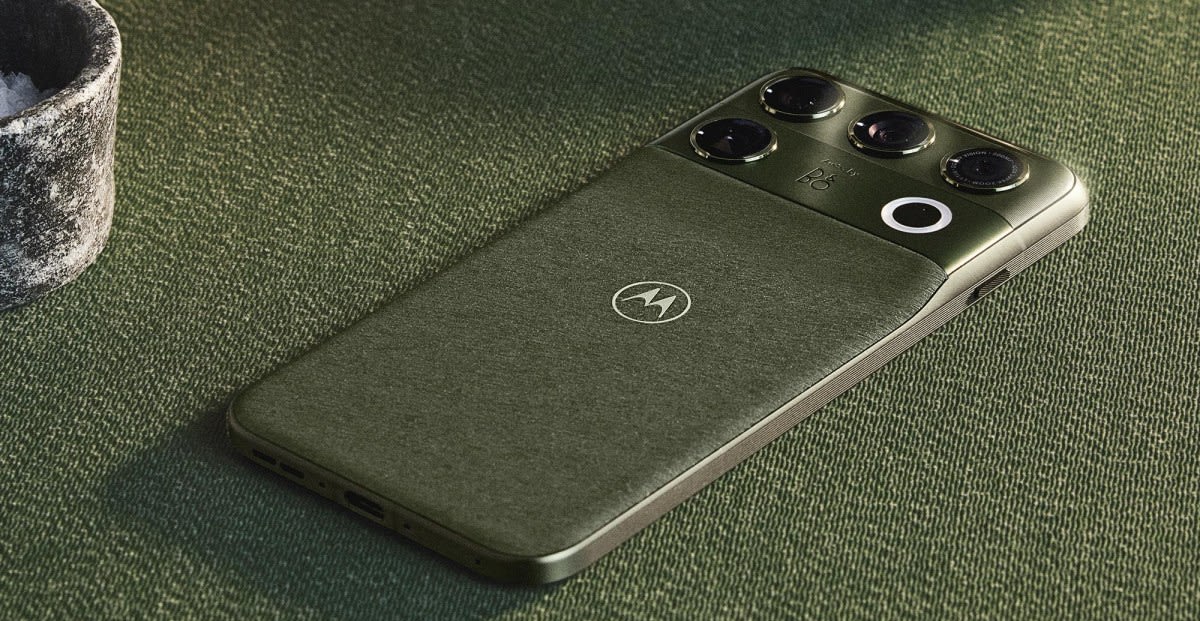
Motorola is entering the ultra-premium smartphone market with the $1,600 Signature 27, a non-folding flagship slab device. The phone features top-tier hardware, including a Snapdragon 8 Elite processor and a high-performance camera system, marking a significant strategic pivot for the company.
Motorola’s Strategic Pivot into Ultra-Premium Flagships
Motorola, a subsidiary of Lenovo, is making a bold entrance into the ultra-premium smartphone market with the launch of the Signature 27. This device represents a departure from the company’s recent focus on the Razr clamshell foldables and the mid-to-high-tier Edge series. By introducing a $1,600 slab-style flagship, Motorola is attempting to bridge a long-standing gap in its U.S. lineup, directly challenging established incumbents in the premium segment.
Moving Beyond the Edge Legacy
Historically, Motorola’s 'Edge' series struggled to gain traction in the highest flagship tiers, often lacking the specific hardware refinements expected by power users. With the Signature 27, the company is explicitly distancing itself from that middling legacy. The device is built with a focus on 'purposeful' craftsmanship, utilizing a combination of metal, ceramic, and glass, alongside the brand's signature use of Pantone colors to maintain a distinct aesthetic identity even in a new, higher price bracket.
Cutting-Edge Hardware and Performance
At the core of the Signature 27 is the Snapdragon 8 Elite Extreme Gen 6 Mobile Platform, positioning the phone among the first to leverage next-generation processing power. The device is further bolstered by an Extreme AMOLED Duo Tandem display, marketed as one of the brightest in the industry. These hardware choices suggest that Motorola is no longer prioritizing cost-efficiency over capability, but is instead aiming for a 'no-compromise' user experience.
The Camera and Software Ecosystem
Photography remains a critical battleground for premium smartphones. The Signature 27 features an advanced camera system that has already secured a DXOMARK Gold Label, signaling Motorola's intent to compete with the industry leaders in mobile imaging. Furthermore, the inclusion of GrapheneOS support highlights an appeal toward security-conscious power users, adding a layer of differentiation in a market often dominated by standard Android interfaces.
Market Implications and Future Trends
Pricing a slab phone at $1,600 places the Signature 27 in direct competition with Motorola’s own tablet-style foldables. This pricing strategy reflects the broader industry trend of integrating costly, high-end AI processing capabilities and premium materials into flagship devices. As AI becomes a central feature of the user experience, Motorola is betting that consumers are willing to pay a premium for hardware that can support these intensive tasks.
Conclusion
The Signature 27 is a defining moment for Motorola’s modern smartphone era. By shifting its focus to an all-out flagship experience, the company is attempting to redefine its brand perception from a mid-range manufacturer to a player in the ultra-premium tier. Whether the market will accept a $1,600 non-folding phone from a brand traditionally associated with more accessible pricing remains the critical question for the company’s future growth.