Bid to overturn ruling which stops police being sued for failings
Source Entity
BBC News
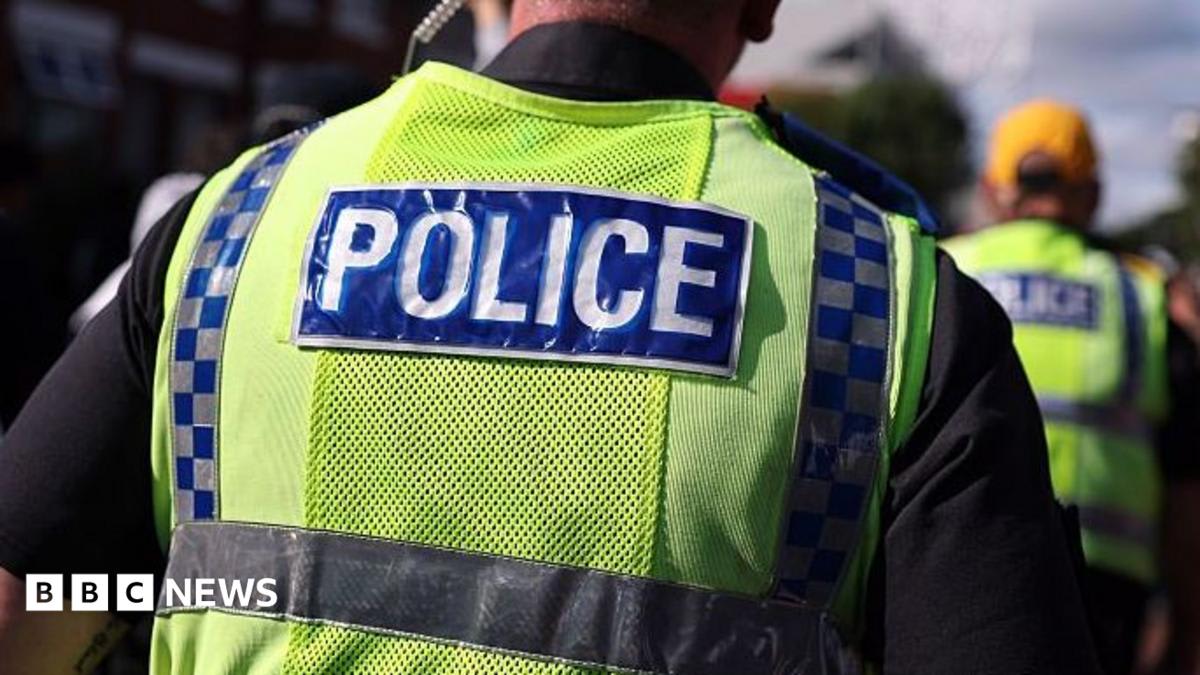
A cross-party group of MPs is challenging a 2025 Court of Appeal ruling that grants police immunity from civil litigation. The proposed amendment seeks to ensure officers can be held accountable for fabricated evidence, dishonesty, or investigative negligence.
The Battle Over Police Accountability in England and Wales
A significant legal and political conflict has emerged in the United Kingdom following a 2025 Court of Appeal ruling that effectively shielded police officers from civil litigation. By granting immunity for both witness testimony and actions taken during criminal investigations, the ruling created a legal landscape where victims of crime may find themselves unable to seek damages even in instances of severe institutional failure. This development has sparked a robust backlash from lawmakers who argue that such broad immunity undermines the fundamental principle of police accountability.
The Legislative Push for Reform
Recognizing the potential for systemic injustice, a cross-party coalition of MPs—notably Conservative Andrew Mitchell and Labour’s Jess Phillips—has introduced a strategic amendment to an upcoming parliamentary bill. Their objective is to explicitly roll back the protections established by the 2025 judgment. By targeting cases involving the fabrication of evidence, dishonesty, or gross negligence, these legislators aim to restore the ability of the public to hold law enforcement agencies legally responsible when the machinery of justice fails due to human error or misconduct.
The Legal Precedent and Its Impact
The 2025 judgment, which currently dictates the legal framework across England and Wales, fundamentally altered the relationship between the police and the judiciary. By extending immunity to statements and conduct performed during criminal investigations, the court created a shield that critics argue could encourage a culture of impunity. The concern among human rights advocates and legal experts is that without the threat of civil litigation, there is less institutional incentive to maintain high standards of evidence collection or witness integrity, leading to what some have described as 'devastating consequences' for victims.
Judicial and Parliamentary Paths Forward
The situation remains fluid, as the challenge to this immunity is being fought on two distinct fronts. While the legislative path involves the amendment proposed by MPs for next week's session, a parallel legal challenge is currently unfolding at the Supreme Court. The outcome of the Supreme Court appeal scheduled for this month could potentially render the legislative amendment moot or, conversely, underscore the necessity for Parliament to intervene where the judiciary has failed to provide a remedy for victims.
Broader Implications for Justice
This debate highlights a tension between the need to protect officers from vexatious litigation and the necessity of maintaining public trust in the police force. If immunity remains absolute, it effectively closes the door on civil redress for those harmed by investigative failures. The current push by MPs reflects a growing consensus that the rule of law must apply to those tasked with enforcing it, ensuring that instances of police dishonesty do not remain shielded from the light of public scrutiny.
Looking Ahead
The resolution of this issue will likely define the future of police oversight in the UK. Should the amendment pass or the Supreme Court overturn the lower ruling, it would represent a landmark victory for civil rights advocates. Conversely, if immunity is upheld, the UK may see a long-term decline in police accountability, potentially leading to further calls for independent oversight bodies to bridge the gap left by the loss of civil litigation as a tool for justice.