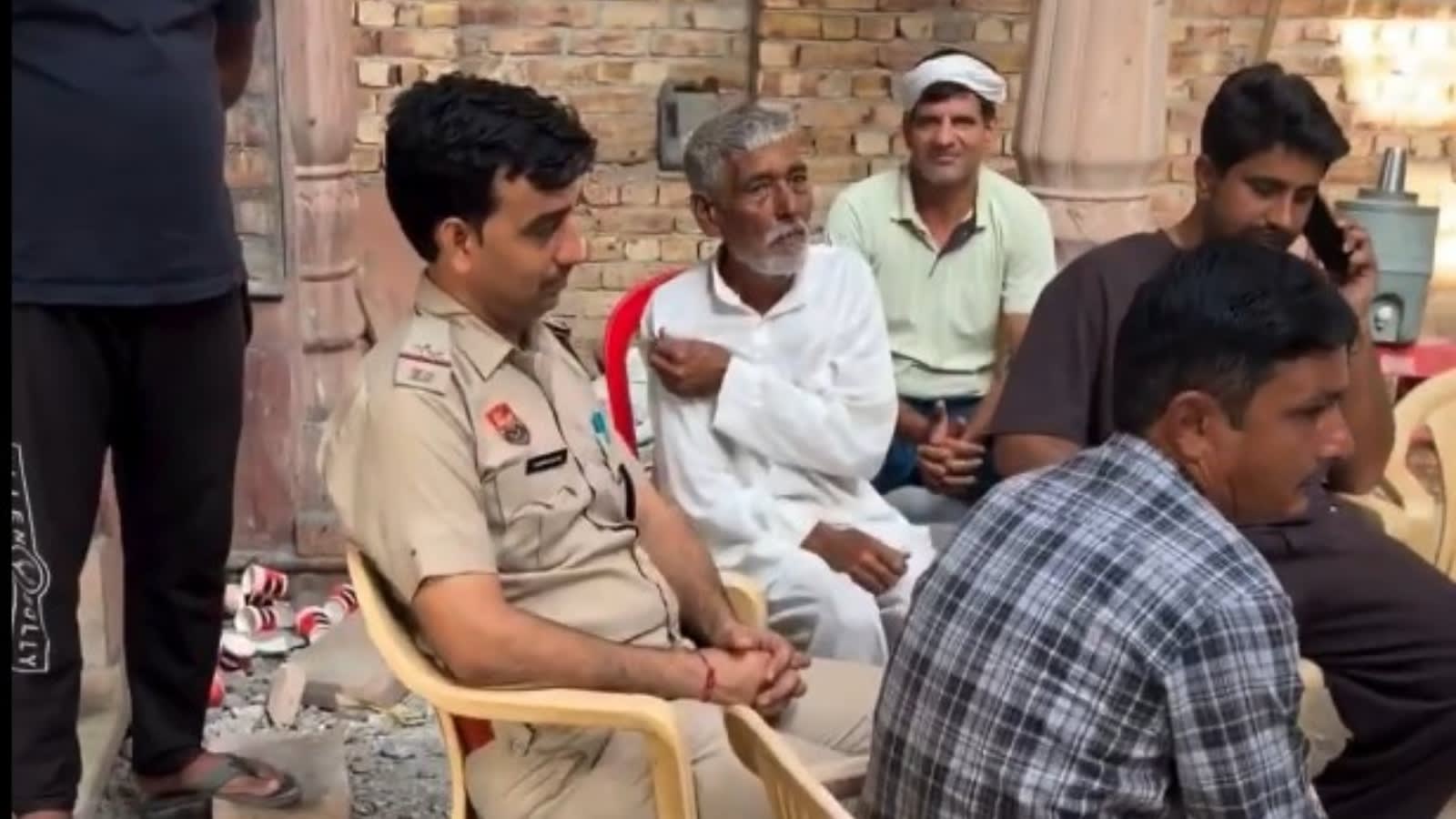
Policemen reach Rohtak village to detain protester, villagers take them hostage
Source Entity
The Indian Express
Authorities in Gautam Budh Nagar and Delhi have imposed strict security measures and mass detentions ahead of a planned Cockroach Janta Party protest. Over 35,000 security personnel are deployed to manage potential unrest and maintain public order.
Security Clampdown Ahead of Jantar Mantar 2.0
The national capital region is currently under a state of high alert as law enforcement agencies in Gautam Budh Nagar and Delhi implement aggressive preemptive measures to maintain public order. With the Cockroach Janta Party (CJP) planning a major demonstration at Jantar Mantar, authorities have moved to restrict movement, citing the potential for anti-social elements to incite violence or disruption.
Strategic Restrictions Under BNSS
In Gautam Budh Nagar, local police have invoked Section 163 of the Bharatiya Nagarik Suraksha Sanhita (BNSS), 2023, to enforce a series of stringent prohibitions lasting until October 20. These restrictions specifically ban unauthorized gatherings of five or more people in public spaces and prohibit the storage of materials—such as bricks, stones, or flammable substances—that could be utilized in violent confrontations. This proactive stance reflects a broader strategy to neutralize threats before they manifest in the streets.
Massive Security Mobilization
Delhi Police have unveiled an extensive security architecture to manage the situation, characterized by the deployment of approximately 35,000 security personnel across the city. This massive force is tasked with managing road blockades, enforcing preventive detentions, and monitoring high-traffic areas. The scale of the deployment underscores the gravity of the situation, as authorities attempt to balance the right to protest against the necessity of ensuring public safety in a densely populated urban center.
Preemptive Detentions and Intelligence Operations
As part of these security efforts, overnight operations were conducted across 15 districts in Delhi, resulting in the detention of at least 100 individuals with prior criminal records. These individuals were reportedly suspected of intending to join the CJP-led protest. By targeting those with histories of public order offenses, the police aim to minimize the risk of the demonstration escalating into criminal or chaotic activity.
Context of the Election Commission Row
The current unrest is framed by an ongoing controversy surrounding the Election Commission of India (ECI), specifically targeting the role of Election Commissioner Gyanesh Kumar. The CJP’s call for 'Jantar Mantar 2.0' serves as a focal point for political dissent, yet the denial of formal permission by the Delhi Police—due to alleged non-compliance with previous protest conditions—has effectively criminalized the upcoming gathering. This standoff highlights the increasing friction between political movements and administrative oversight in the capital.
Future Implications and Public Impact
The imposition of these measures will lead to significant disruptions, including restricted metro services and the closure of specific markets. As the city braces for the October 10 protest, the interaction between the 35,000-strong security force and potential protesters will likely serve as a barometer for how authorities manage political dissent in the future. The extended nature of the restrictions in Gautam Budh Nagar suggests that the administration is preparing for a prolonged period of instability, signaling a firm approach to maintaining the status quo.
Multiple Citing Sources