What lies ahead for Pinarayi Vijayan as decks are cleared for FIR against him?
Source Entity
Shaju Philip
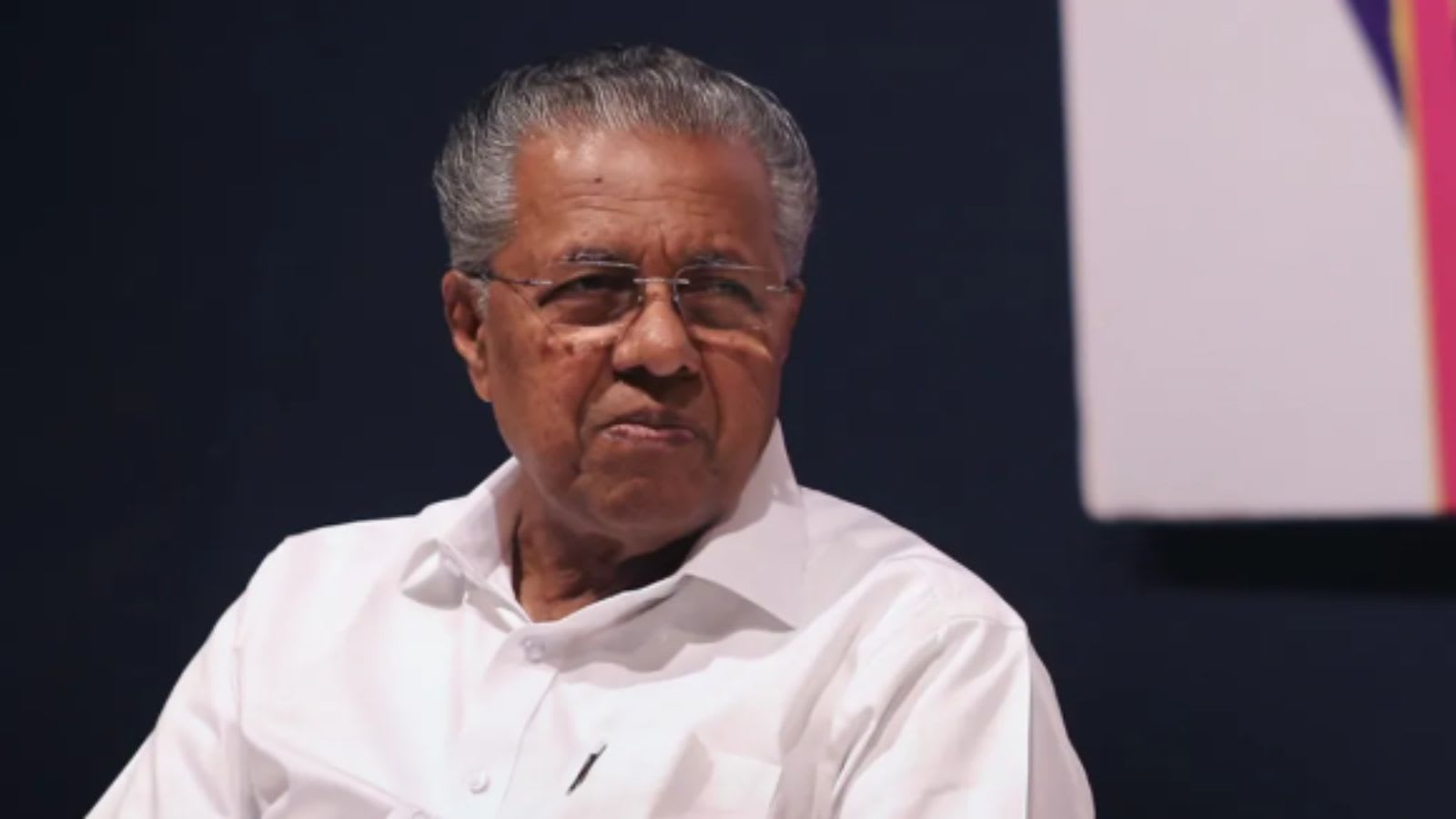
The Kerala High Court has ordered the registration of an FIR against former CM Pinarayi Vijayan and his family members regarding a corruption scandal. The investigation centers on alleged illegal payments made to his daughter's IT firm by a mining company.
Legal Escalation in Kerala Politics
The political landscape in Kerala faces significant turbulence following a directive from the High Court, which has ordered the Vigilance and Anti-Corruption Bureau (VACB) to register an FIR against former Chief Minister Pinarayi Vijayan. This legal action also implicates his daughter, T Veena, and son-in-law, Muhammed Riyas, marking a critical juncture in a long-standing investigation into the financial dealings of the former administration.
The Core Allegations
At the heart of this controversy is the alleged payoff scandal involving Exalogic Solutions, an IT firm owned by T Veena. The Enforcement Directorate (ED) has reportedly gathered evidence suggesting that the firm received illicit payments from the Kochi-based entity, Cochin Minerals and Rutile Limited (CMRL). These transactions are alleged to have occurred during the tenure of the CPI(M)-led government, raising serious questions regarding potential conflicts of interest and the misuse of public office for private gain.
Judicial and Investigative Pressure
The High Court’s decision to mandate an FIR follows the submission of a detailed report by the ED to the state police chief. By invoking the Prevention of Corruption Act, the judiciary has effectively accelerated the investigative process, moving the allegations from the realm of political discourse into active criminal proceedings. This development places the VACB under immense pressure to conduct a transparent and thorough probe, given the high-profile nature of the individuals involved.
Political Repercussions and Compliance
The announcement has triggered immediate political reactions, with Home Minister Ramesh Chennithala confirming the government's intent to comply with the court's directive. This stance suggests an attempt by the administration to maintain procedural integrity in the face of mounting public scrutiny. However, the involvement of the former Chief Minister’s immediate family members complicates the narrative, as it touches upon broader concerns regarding political accountability and the ethical boundaries of governance.
Broader Implications and Future Trends
This case highlights a recurring trend in Indian politics where financial investigations by central agencies like the ED frequently intersect with state-level governance. As the legal proceedings unfold, the focus will likely remain on whether these payments were legitimate business transactions or, as alleged, illicit payoffs. The outcome of the VACB investigation will undoubtedly have lasting implications for the credibility of the political figures involved and may reshape the electoral landscape in Kerala as voters weigh these corruption allegations against the administration's historical performance.