Why is the Justice Department investigating ABC, CBS, CNN, NBC and Fox News? Trump White House press pool boycott explained
Source Entity
Latest News: Todays Latest News Headlines from India & World | Hindustan Times | Hindustan Times
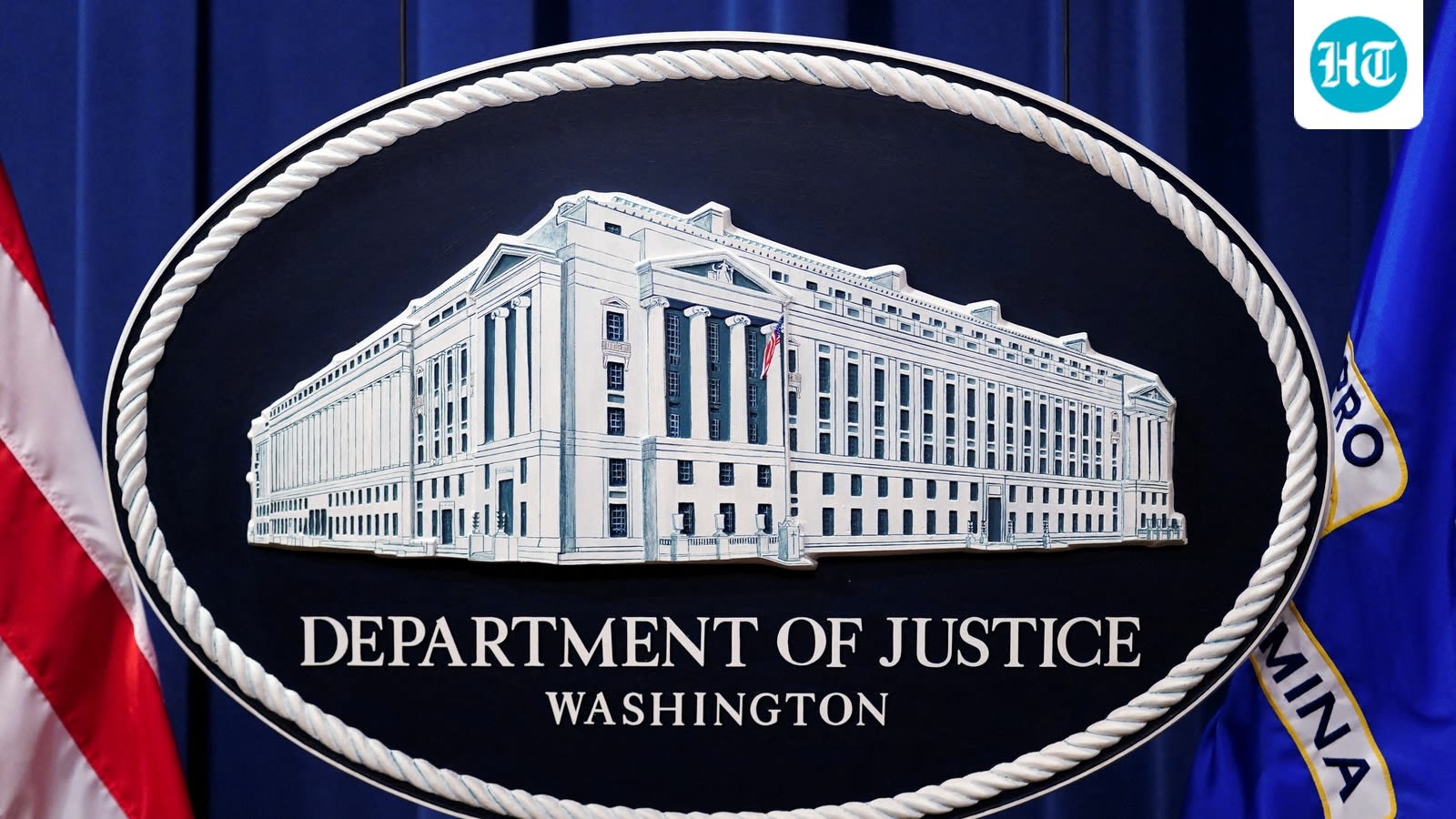
The U.S. Justice Department has initiated an antitrust investigation into five major television networks following their brief suspension of White House pool coverage. The probe examines whether this collective action violated federal competition laws, specifically the Sherman Act.
DOJ Probes TV Networks Over White House Pool Boycott
The Intersection of Antitrust Law and Media Access
The United States Department of Justice (DOJ) has formally launched an investigation into five major television networks—ABC, CBS, CNN, NBC, and Fox News—following their decision to briefly suspend participation in the White House television pool. This investigation centers on whether the collective action taken by these networks constituted a violation of federal antitrust statutes, specifically the Sherman Act, which prohibits group boycotts among commercial competitors that restrain trade.
Origins of the Dispute
The controversy originated when the Trump administration moved to restrict access for several news organizations, including CNN, MS Now, and Politico. In response to these access restrictions, the five major networks, which operate the rotational pool system responsible for documenting the president's movements and providing footage to the broader media landscape, collectively halted their services for several days. This temporary suspension effectively crippled the flow of visual and descriptive records of the presidency to the general public.
The Mechanics of the White House Pool
The White House television pool is a critical infrastructure for journalism in Washington, D.C. It functions as a cooperative system where networks take turns capturing footage of the president. This footage is then shared with other publications and news outlets, ensuring that the public maintains a window into executive activities. By suspending this shared system, the networks were not merely acting as individual journalists, but as a coordinated entity managing a vital public resource.
Legal Implications and the Sherman Act
The DOJ’s inquiry is focused on whether this coordination crossed the line from professional solidarity into anti-competitive behavior. A spokesperson for the Justice Department noted that "group boycotts among commercial competitors can violate the Sherman Act." The investigation has prompted the government to demand the production of internal communications regarding the decision-making process behind the suspension, aiming to determine if there was a collusive effort to manipulate the market or exert undue influence on federal policy.
Broader Implications for Press Freedom
This investigation highlights a complex tension between executive power and the media's role in government transparency. While the networks framed their suspension as a protest against the revocation of press credentials, the government views the act through the lens of competition law. This case sets a significant precedent regarding how media organizations coordinate their coverage and whether such coordination, even if intended to protect journalistic integrity, is subject to the same regulatory scrutiny as other commercial industries.
Future Outlook
As the investigation proceeds, the legal community will be watching closely to see how the judiciary balances the First Amendment protections of the press against the strict requirements of antitrust legislation. The outcome of this probe could redefine the boundaries of how news organizations collaborate and respond to governmental access restrictions, potentially altering the landscape of political reporting for years to come.
Verification Required?