MSRTC’s digital breakdown leaves Diwali return passengers in a fix
Source Entity
Latest News: Todays Latest News Headlines from India & World | Hindustan Times
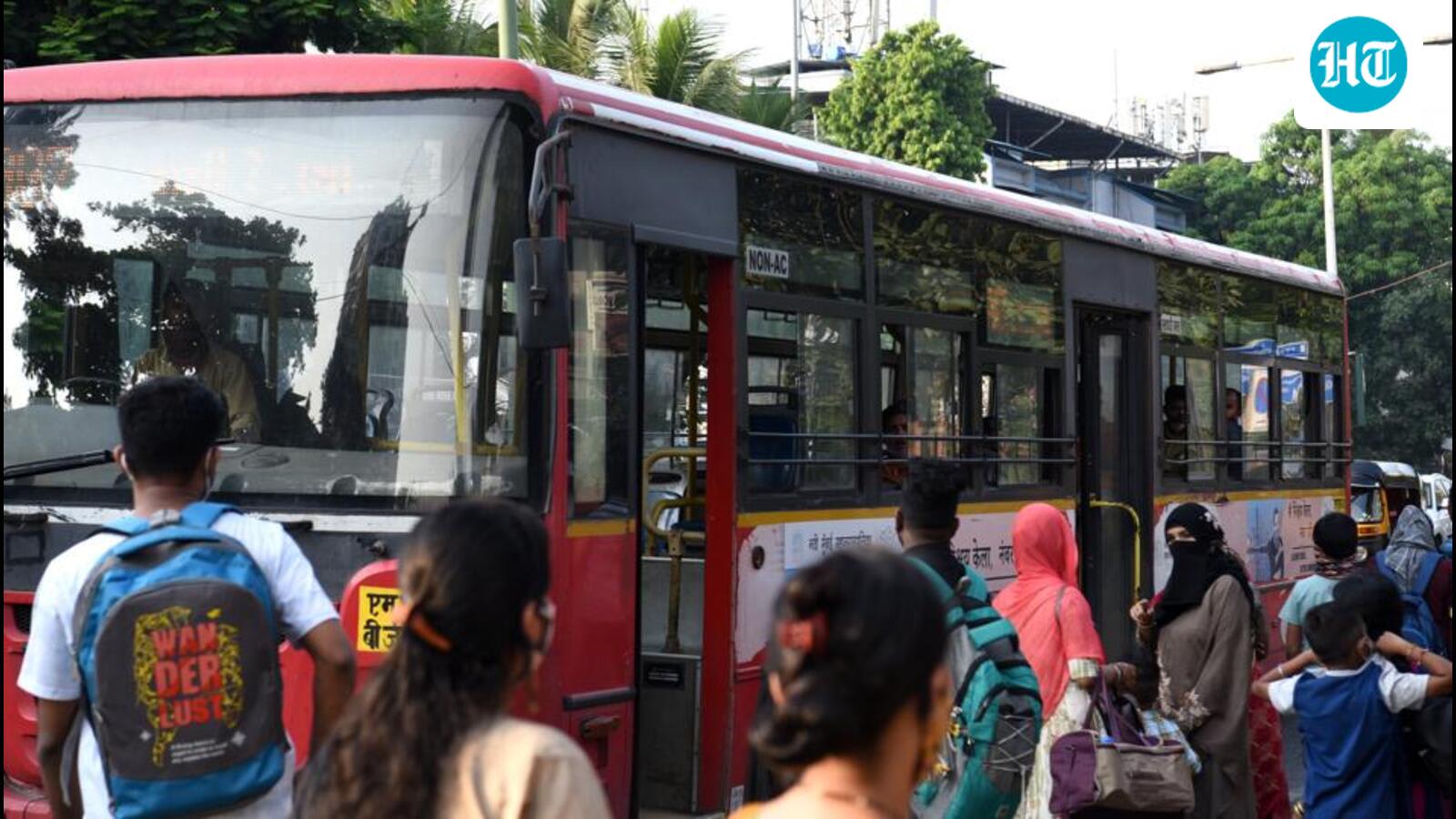
The MSRTC's digital ticketing system suffered a major crash during the post-Diwali travel rush, leaving thousands of passengers stranded. This technical failure forced commuters to seek alternatives as private operators reportedly exploited the situation with fare hikes.
The MSRTC Digital Collapse: A Post-Diwali Commuter Crisis
During the peak period following the Diwali holidays, the Maharashtra State Road Transport Corporation (MSRTC) faced a significant operational failure. As thousands of travelers attempted to return to major hubs like Pune for work, education, and business, the state-run transport authority’s digital infrastructure collapsed under the weight of heavy traffic. Both the official website and the mobile application became inaccessible, effectively barring passengers from checking seat availability or finalizing their travel plans.
The Impact of Systemic Failure
The reliance on digital booking platforms has become a cornerstone of public transport efficiency in India. However, this incident highlights the vulnerability of such systems when subjected to surges in demand. For the average passenger, the inability to access these platforms was not merely a technical inconvenience; it was a logistical emergency. With the holiday period concluding, the time-sensitive nature of returning to professional or academic commitments turned the digital glitch into a major source of public frustration and chaos at various transit points.
The Ripple Effect on Transit Logistics
When state-run systems fail, the burden of transport often shifts to alternative providers. In this instance, the MSRTC strike in Vashi, Navi Mumbai, combined with the digital outage, created a perfect storm for commuters. To mitigate the crisis, the Navi Mumbai Municipal Transport (NMMT) deployed 30 additional buses, yet this was insufficient to cover the massive shortfall. The resulting vacuum left many passengers with no choice but to physically rush to bus stations in hopes of securing current bookings, leading to overcrowding and further delays.
Predatory Pricing and Market Exploitation
One of the most concerning outcomes of this digital breakdown was the alleged opportunistic behavior of private travel operators. Reports suggest that these operators capitalized on the MSRTC’s dysfunction by significantly inflating ticket prices. This practice, often seen during periods of high demand, exploits vulnerable travelers who are left with no other options, raising questions about the need for stricter price regulation in the private transport sector during public infrastructure emergencies.
Future Implications and Operational Resilience
This incident serves as a critical wake-up call for state transport corporations regarding the necessity of robust digital load-balancing and redundancy measures. As India continues to digitize its public services, the expectation for 99.9% uptime during peak travel seasons like Diwali is no longer a luxury but a requirement. Future trends must focus on scalable cloud infrastructure and better contingency planning to ensure that a technical glitch does not paralyze the mobility of thousands of citizens across the state.
Verification Required?