Why this Mumbai-Goa highway matters: key links to ports, airport stuck
Source Entity
Dheeraj Mishra
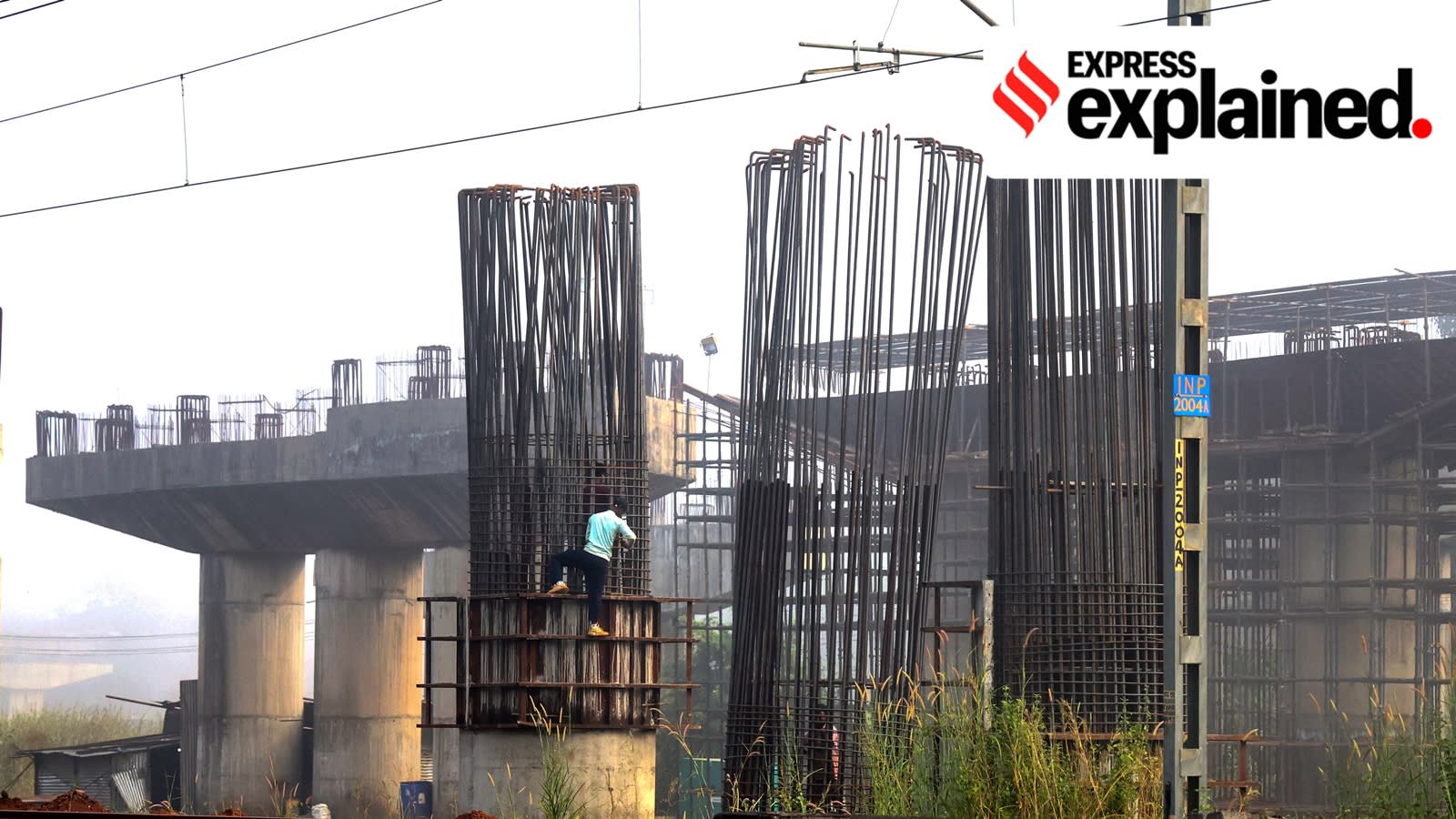
The Mumbai-Goa highway, a critical segment of the NH-66 corridor, is vital for port logistics and regional connectivity. Despite its economic importance, project delays continue to impact freight movement and passenger travel.
The Strategic Importance of the Mumbai-Goa Highway
The Mumbai-Goa highway serves as a cornerstone of India’s infrastructure development, acting as a pivotal artery within the broader Mumbai-Kanyakumari (NH-66) Economic Corridor. Its significance transcends mere road connectivity; it is an essential link for the logistical chain that supports various industrial hubs and tourist destinations along the western coast. By drastically reducing travel time, this corridor is designed to optimize the efficiency of regional transport, serving as a catalyst for economic growth in the Konkan belt.
Industrial Logistics and Port Connectivity
Beyond passenger transit, the highway is a lifeline for industrial logistics. It facilitates the seamless movement of freight between major maritime hubs, including the Jawaharlal Nehru Port Terminal (JNPT) in Navi Mumbai, the Dighi port via Mangaon, and the Agardanda terminal and shipyard in Raigad. This logistical network is instrumental in transporting essential commodities, such as oil, chemicals, containerized goods, and bulk cargo, thereby sustaining the industrial output of the region.
Capacity and Traffic Dynamics
Data provided by the Ministry of Road Transport and Highways (MoRTH) highlights the intense pressure on this infrastructure. Traffic volume, measured in Passenger Car Units (PCU), varies significantly along the stretch. Near the Goa border, the highway handles approximately 15,000 PCU per day, while the starting stretches see this figure double to 30,000 PCU. These numbers underscore the urgent need for the project's completion to manage current congestion effectively.
Socio-Cultural Impact
It is important to recognize the socio-cultural dimension of this infrastructure. The highway serves as a critical conduit for local movement, particularly during peak periods such as the annual Ganesh festival. During this time, the volume of travelers swells, and the efficiency of the highway becomes a matter of public convenience and safety for thousands of citizens returning to their homes in the Konkan region.
Challenges and Future Implications
Despite its strategic necessity, the project faces ongoing delays that hinder its full utility. The failure to complete key links affects the reliability of the supply chain for the aforementioned ports and limits the potential for tourism growth. Future trends suggest that if the current bottlenecks are not addressed, the economic potential of the NH-66 corridor will remain untapped, potentially slowing the industrial development of the coastal Maharashtra region.
Conclusion
The Mumbai-Goa highway is more than a roadway; it is a vital economic engine. Given the high PCU counts and the reliance of major ports on this route, the completion of this segment is imperative for both national logistics and regional socio-economic stability. Addressing the current delays is essential to unlocking the full potential of the Mumbai-Kanyakumari corridor.