UPSC Key: Siang Upper Multipurpose Project, SCO Forum, and Inflation
Source Entity
Roshni Yadav
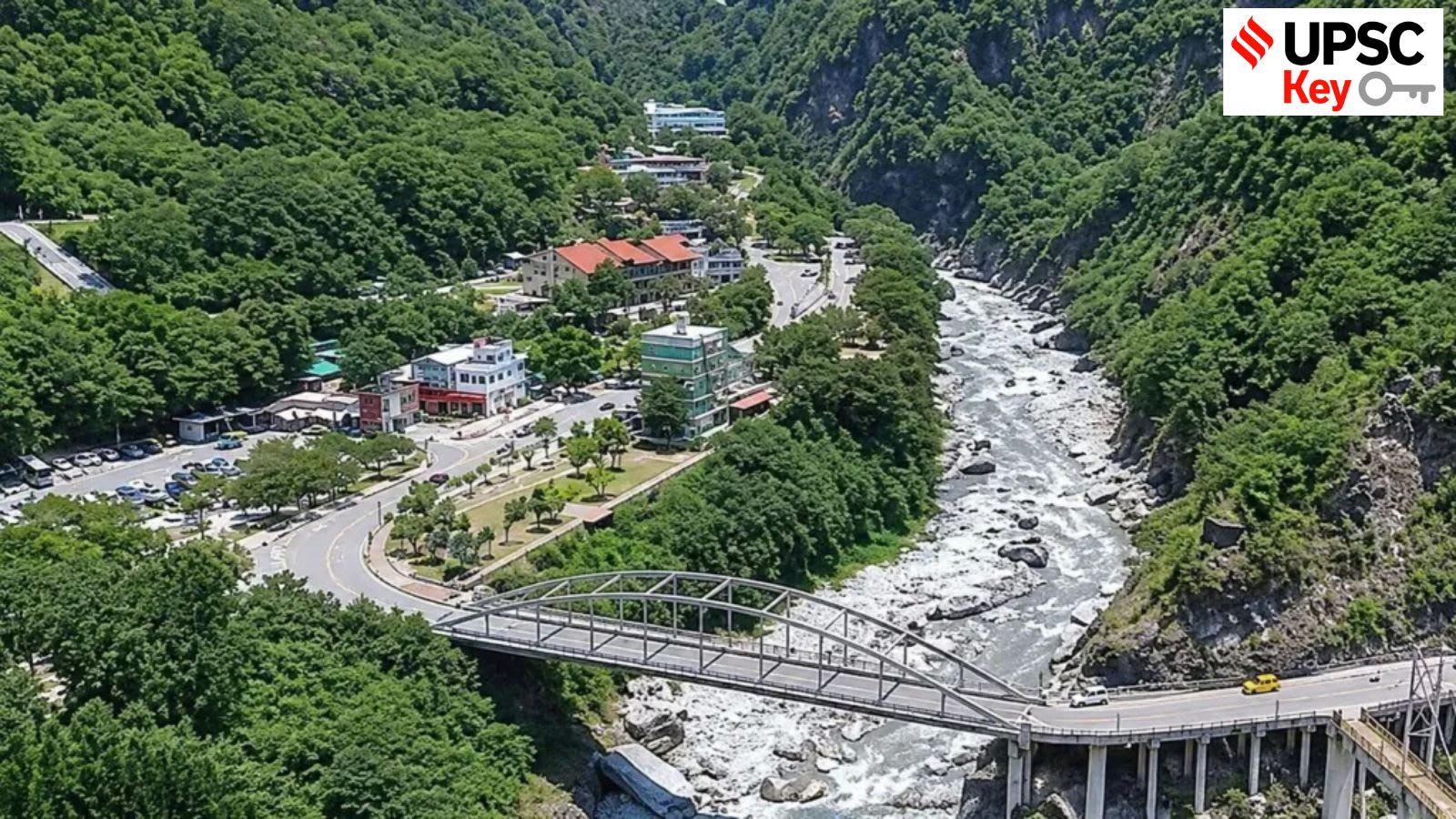
The proposed 11,200-MW Siang Upper Multipurpose Project in Arunachal Pradesh faces significant local opposition due to the threat of displacement. The project's impact on indigenous communities and ancestral lands has become a critical topic for UPSC civil services examination preparation.
The Siang Upper Multipurpose Project: Balancing Development and Displacement
The Human Cost of Infrastructure
The proposed 11,200-MW Siang Upper Multipurpose Project (SUMP) represents a massive undertaking in India's hydroelectric sector, situated in the ecologically sensitive and culturally rich region of Arunachal Pradesh. As highlighted by the accounts of local residents like Okam, whose traditional 'chang ghar'—a stilt house constructed from indigenous forest materials—is under threat, the project underscores the persistent friction between large-scale national development goals and the preservation of traditional livelihoods. For the local population, the project is not merely an engineering feat but a existential threat that risks submerging entire villages, fertile farmlands, and deep-rooted ancestral heritage.
Strategic Importance and Policy Framework
From a governance perspective, the SUMP is a centerpiece of India's efforts to harness the hydroelectric potential of the Brahmaputra basin. Government policies and interventions regarding large-scale infrastructure projects are subject to intense scrutiny under General Studies-II of the UPSC Mains syllabus. The project highlights the complexities inherent in the design and implementation of national policies, where the need for renewable energy and regional power security must be weighed against the rights of indigenous communities and the environmental impact on the Siang River valley.
Socio-Economic Implications
The scale of the 11,200-MW project suggests a transformative impact on India's energy grid, potentially serving as a major contributor to the nation's green energy transition. However, the socio-economic reality for the residents of the Siang valley is one of uncertainty. The displacement of communities that rely on ancestral land and forest-based economies poses significant challenges for rehabilitation and social integration policies. The tension between state-led modernization and the traditional lifestyle of the local tribes remains a critical focal point for policy analysts and exam aspirants alike.
The Role of Environmental Governance
Environmental governance in the Northeast remains a complex arena where biodiversity conservation meets high-stakes industrial ambition. The Siang river, a vital artery for the region, is central to the ecological health of the area. Consequently, the SUMP is not only a matter of energy policy but also an environmental issue. The debate surrounding this project serves as a case study for the necessity of robust Environmental Impact Assessments (EIAs) and inclusive stakeholder consultations, which are essential for ensuring that development does not come at the cost of long-term ecological stability.
Future Trends and UPSC Relevance
As India moves toward its climate goals, the push for large hydroelectric projects will likely continue, making topics like the Siang Upper Multipurpose Project essential for aspirants preparing for the UPSC Civil Services Examination. The ability to analyze the intersection of national infrastructure requirements, tribal rights, and environmental sustainability will remain a key competency. Moving forward, the government's ability to negotiate with local stakeholders and mitigate displacement risks will determine the social license of such massive projects in sensitive border regions.