Student Gets Hit By Train While Walking On Tracks After Mumbai Local Chaos
Source Entity
NDTV News Search Records Found 1000
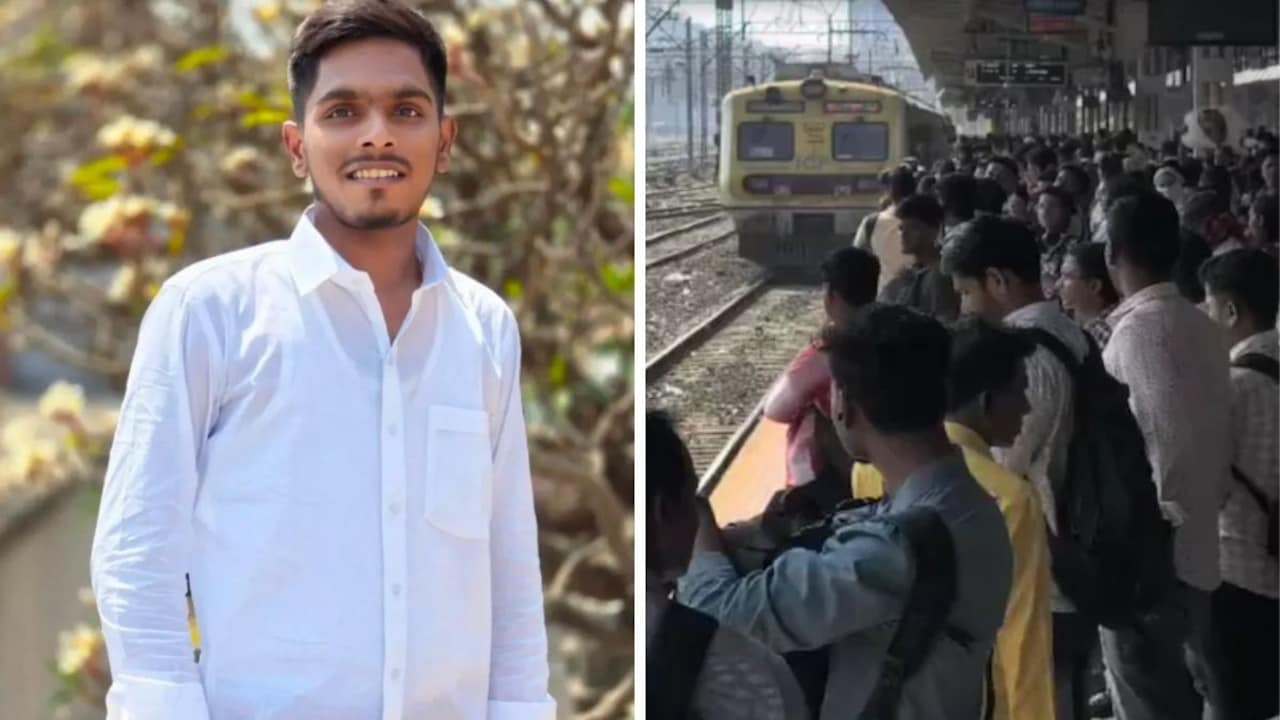
A major technical failure on Mumbai's Central Railway led to severe delays and overcrowding, resulting in three tragic fatalities. Commuters forced to walk on tracks amid the chaos included a student, prompting calls for railway accountability and compensation.
The Mumbai Rail Crisis: A Breakdown of Infrastructure and Safety
On October 26, 2026, the lifeline of Mumbai—the Central Railway (CR) network—suffered a catastrophic operational failure. A combination of a foreign object damaging overhead equipment (OHE) near Mulund and a significant signalling failure created a perfect storm of logistical chaos. With trains delayed by up to 90 minutes and platforms dangerously overcrowded, the systemic strain forced thousands of commuters into a desperate situation, leading to a tragic loss of life.
The Anatomy of the Disruption
The crisis began at approximately 9:23 am when an insulator on the down line towards CSMT burst due to a foreign object falling on the OHE. This initial technical snag was compounded by a broader signalling equipment failure that persisted throughout the day. For a network that serves millions of daily passengers, these dual points of failure effectively paralyzed the Thane-CSMT corridor, turning standard commutes into four-hour ordeals and creating an environment of extreme uncertainty for passengers.
The Human Cost of Systemic Failure
The most harrowing consequence of this infrastructure collapse was the death of three commuters who were forced to navigate the tracks on foot to reach nearby stations. Among the victims was 21-year-old Sahil Thite, a final-year BCom student returning from a computer class. His death at Bhandup station highlights the perilous choices commuters face when the railway system fails to provide clear communication or safe alternatives during extended delays. Similarly, the loss of two brothers between Ghatkopar and Vikhroli underscores the widespread nature of these track-crossing incidents.
Accountability and Demands for Reform
In the aftermath, the families of the deceased are demanding compensation, citing that the fatalities were a direct result of the railway's inability to manage the crowd and provide a safe passage during the service breakdown. The railway police are currently investigating the circumstances, but the incident has reignited a long-standing debate regarding the vulnerability of Mumbai's rail infrastructure. The reliance on legacy signalling and the fragility of OHE systems remain primary concerns for urban transit safety.
Broader Implications for Urban Transit
This incident serves as a grim reminder of the high-stakes environment inherent in Mumbai’s suburban rail system. When the "lifeline" fails, the lack of redundant safety protocols often leaves commuters to fend for themselves. Moving forward, the incident necessitates a rigorous audit of track-side security and an evaluation of emergency management protocols. Future transit planning must prioritize real-time crowd control and immediate, transparent communication to prevent passengers from resorting to the dangerous practice of walking on active tracks during service outages.
Multiple Citing Sources
Verification Required?