Sreedharan tells Keralam govt. to ‘ignore’ technical panel’s objections over high-speed rail project
Source Entity
India Latest News: Top National Headlines Today & Breaking News | The Hindu
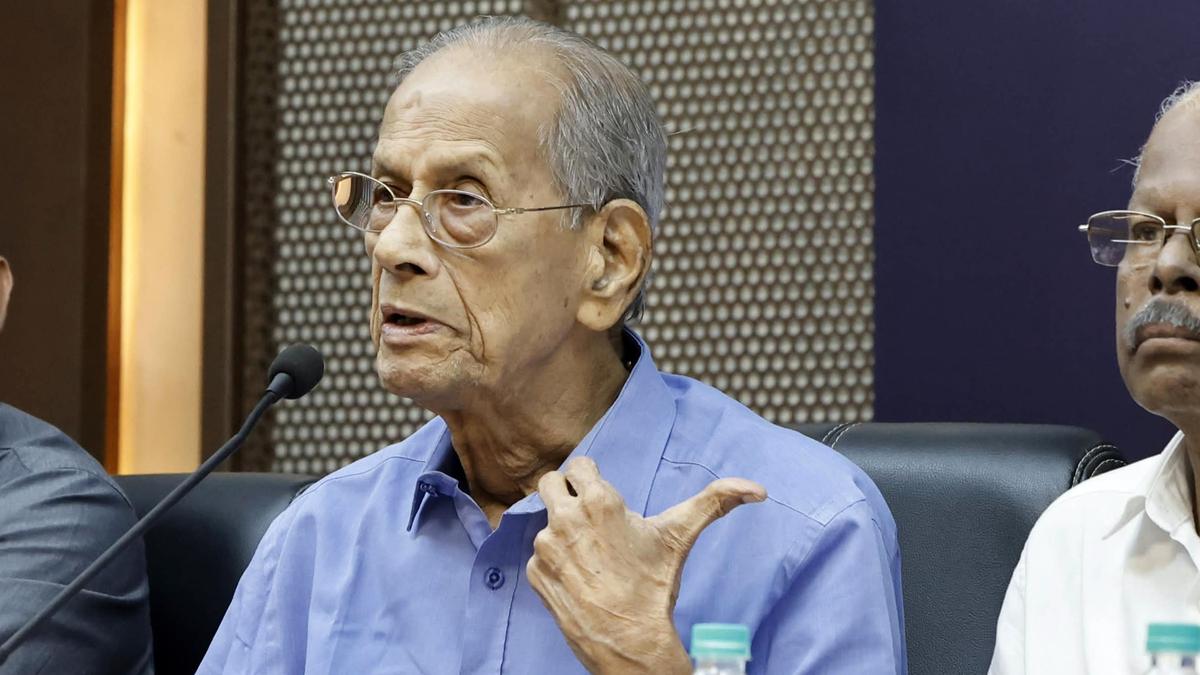
Technocrat E. Sreedharan has urged the Kerala government to disregard an expert committee's objections to the DMRC's high-speed rail proposal. Sreedharan contends the committee failed to properly study the project, which aims to link Thiruvananthapuram and Kannur.
The High-Speed Rail Impasse in Kerala
Technocrat E. Sreedharan, widely recognized for his instrumental role in developing India’s modern metro infrastructure, has publicly challenged the findings of a government-appointed expert committee regarding the proposed high-speed rail project in Kerala. The project, which seeks to establish a high-speed corridor between the state capital, Thiruvananthapuram, and the northern hub of Kannur, is currently facing significant bureaucratic hurdles. Sreedharan’s recent directive to the state government—to “ignore” and “overrule” the panel’s objections—highlights a deepening rift between technical project proponents and administrative review bodies.
The Expert Committee’s Critique
The committee in question, convened by Transport Secretary K. Biju, was tasked with a comprehensive review of the Delhi Metro Rail Corporation’s (DMRC) proposal. The panel included specialized members focused on critical project pillars: J. Vinayan (railways), C. Veeramani (finance), and Sreedhar Radhakrishnan (environment). Their collective assessment labeled the DMRC’s initial report as “incomplete,” suggesting that the project may lack the necessary rigor in its technical, financial, and environmental impact projections. This critique has effectively stalled the project's progression, prompting Sreedharan's intervention.
Disputing the Review Process
Sreedharan’s dismissal of the committee’s findings is rooted in his belief that the panel did not conduct a diligent or comprehensive study of the proposal. Speaking at an event organized by the Malabar Chamber of Commerce, he argued that the objections raised are superficial and do not account for the long-term strategic benefits of the rail link. By suggesting that the government should bypass these institutional obstacles, Sreedharan is emphasizing a need for decisive action over what he perceives as bureaucratic obstructionism.
Broader Implications for Infrastructure
The tension surrounding the Thiruvananthapuram-Kannur line reflects a broader national struggle in balancing ambitious infrastructure development with rigorous oversight. High-speed rail projects are notoriously capital-intensive and carry significant environmental footprints, making the intersection of railway engineering and environmental auditing a frequent source of contention. If the Kerala government heeds Sreedharan’s advice, it could signal a shift toward fast-tracking major projects, though it may also invite scrutiny regarding transparency and the validity of environmental safeguards.
Future Trends and Outlook
Moving forward, the state government finds itself in a difficult position: weighing the expert technical advice of a veteran like Sreedharan against the formal findings of its own appointed committee. The outcome of this dispute will likely set a precedent for how Kerala manages future large-scale transit infrastructure. Should the state decide to proceed by overruling the committee, it must be prepared to defend the project’s financial viability and environmental sustainability against legal and civil society challenges. Conversely, a decision to pause and address the committee's concerns could lead to project delays but might ultimately result in a more robust and defensible implementation plan.
Verification Required?