Mumbai local disruptions turn deadly; delays, crushing crowds, confusion, then three deaths
Source Entity
Ishika Gupta
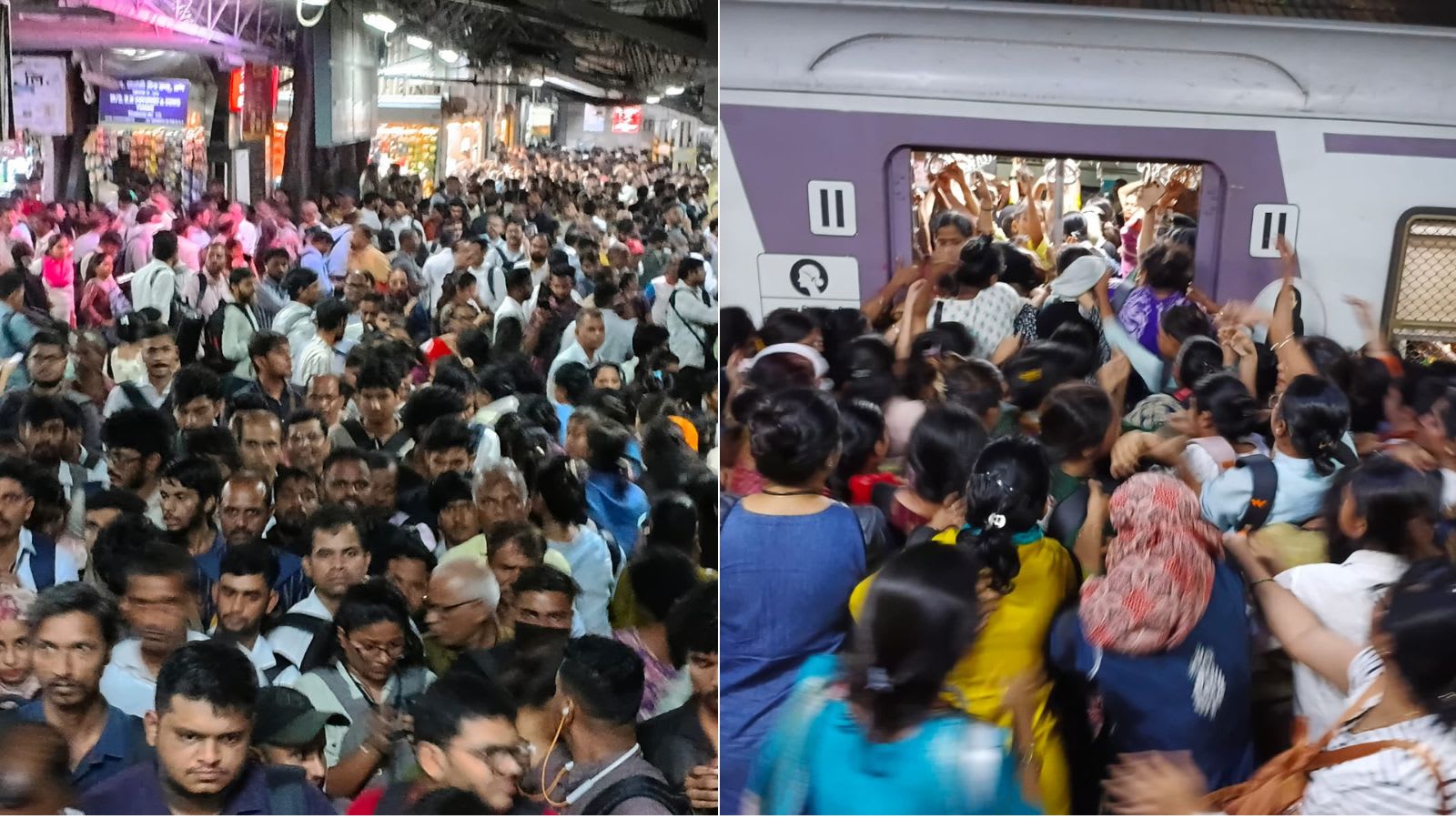
A major technical failure on Mumbai's Central Railway led to severe delays and tragic fatalities as commuters resorted to walking on tracks. The incident has sparked a demand for accountability and compensation for the victims, including a young student.
The Mumbai Local Tragedy: A Systemic Failure
On October 26, 2026, the lifeline of Mumbai—the Central Railway (CR) network—suffered a catastrophic collapse. A combination of a foreign object damaging overhead equipment (OHE) near Mulund and a subsequent signalling failure crippled the Thane-CSMT corridor. This disruption triggered a domino effect, resulting in 90-minute delays and forcing thousands of commuters to endure grueling, four-hour journeys. The resulting chaos and overcrowding led to a desperate situation where passengers, seeking any means to reach their destinations, began traversing the dangerous railway tracks.
The Human Cost of Infrastructure Collapse
The most harrowing outcome of this technical breakdown was the loss of three lives. Sahil Navnath Thite, a 21-year-old final-year BCom student, was struck by a Kalyan-bound fast local at Bhandup station while attempting to navigate the chaos. In a separate incident between Ghatkopar and Vikhroli, two brothers also lost their lives. These deaths underscore the extreme risks inherent in a system where infrastructure failure forces commuters into hazardous environments, turning a routine commute into a life-threatening ordeal.
Accountability and the Compensation Debate
Following the tragedy, the family of Sahil Thite has formally demanded compensation from railway authorities. This demand highlights a growing tension between the public and the railway administration regarding safety standards and disaster management. Critics argue that the railway's inability to manage crowd control during technical snags directly contributes to these preventable fatalities. As the railway police conduct investigations into the circumstances surrounding these deaths, the incident has reignited the conversation regarding the lack of safe pedestrian alternatives during emergency service halts.
Contextualizing Mumbai's Railway Vulnerability
Mumbai’s local rail system is one of the densest in the world, carrying millions daily. The reliance on OHE and signalling infrastructure means that even minor incidents, such as a foreign object falling onto the lines, can paralyze the entire city. The events of October 26 serve as a stark reminder of the system's fragility. When the mechanism fails, the lack of immediate, clear communication and safe evacuation protocols creates a vacuum of order that often leads to panic and tragedy.
Looking Toward Infrastructure Resilience
The future of Mumbai’s transit depends on transitioning from reactive crisis management to proactive infrastructure hardening. The demand for compensation is not merely a financial request; it is a plea for systemic reform. To prevent future tragedies, the Central Railway must prioritize the integration of real-time passenger information systems and more robust, fail-safe signalling equipment. Furthermore, the authorities must address the urgent need for safer pedestrian infrastructure to ensure that when delays occur, passengers are not forced to risk their lives on the tracks.
Conclusion
The deaths at Bhandup and between Ghatkopar and Vikhroli are a somber reflection of the challenges facing India's urban transit systems. As the city mourns the loss of Sahil Thite and the two brothers, the onus remains on the railway administration to address the systemic failures that made these deaths possible. A comprehensive review of maintenance protocols and emergency response strategies is essential to restore public trust in the city's most vital transport network.