Mumbai mayor rejects BMC report on Chembur tree crash that killed 11-year-old
Source Entity
RICHA PINTO
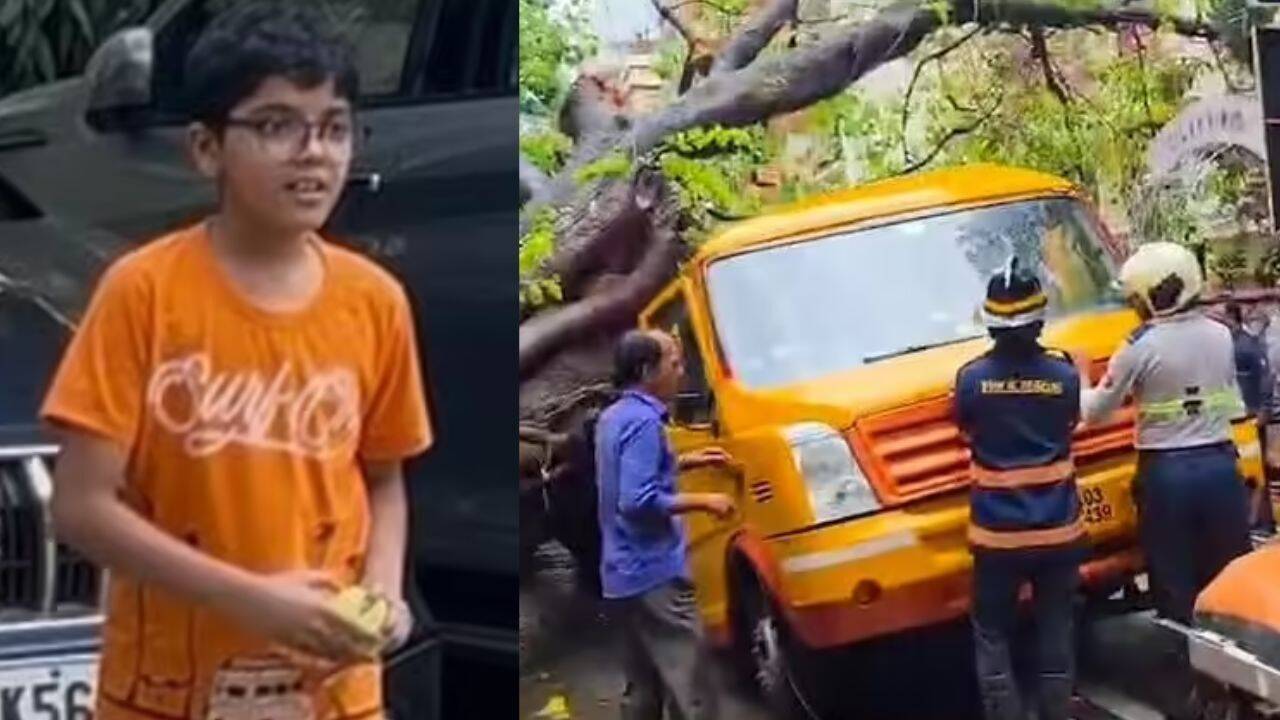
Mumbai Mayor Ritu Tawde has ordered a fresh, third-party inquiry into a fatal tree collapse in Chembur that killed 11-year-old student Vihaan Shrivastav. The decision follows widespread criticism of an internal BMC report that issued only nominal penalties and failed to hold officials or contractors accountable.
Accountability Crisis: The Chembur Tree-Fall Tragedy
On June 30, a tragic incident occurred in Mumbai’s Chembur area when a Peepal tree collapsed onto a school bus, resulting in the untimely death of 11-year-old student Vihaan Shrivastav. This event has ignited a significant political and administrative firestorm within the Brihanmumbai Municipal Corporation (BMC), exposing deep-seated concerns regarding urban maintenance, contractor oversight, and the integrity of internal investigative processes.
Rejection of the Internal Inquiry
Following the tragedy, the BMC established a three-member committee to investigate the circumstances surrounding the collapse. However, the resulting report faced immediate backlash, leading Mayor Ritu Tawde to officially reject its findings. The Mayor, alongside Garden Committee Chairperson Hetal Gala, noted that the report was never shared with them, undermining the transparency expected in a matter of public safety. The internal report was criticized for granting a clean chit to both the Garden and Roads Departments while imposing only nominal financial penalties on contractors, a move that many officials deemed a gross injustice for the loss of a child’s life.
The Failure of Preventive Oversight
Mayor Tawde highlighted a critical disconnect between administrative claims and ground realities. Despite assurances from site engineers that all necessary preventive measures had been implemented along the stretch where the incident occurred, the tree collapse proceeded to claim a life. This contradiction suggests that the existing safety protocols may be superficial or poorly executed, failing to address the structural risks posed by aging urban flora during the monsoon season.
Political and Public Backlash
During a general body meeting, the BMC house saw rare cross-party unity in criticizing the administration. Leader of the House Ganesh Khankar specifically questioned the lack of inter-departmental communication, noting that the Roads Department allegedly failed to issue formal notices to contractors despite objections raised by the Garden Department. The public outcry, echoed by the grief-stricken family of Vihaan Shrivastav, centered on the perception that the BMC was prioritizing the protection of its staff and contractors over the accountability owed to the victim’s family.
Implications and Future Trends
By ordering a fresh, third-party inquiry, the Mayor has set a precedent that internal "clean chits" will no longer be accepted in cases involving loss of life. This shift indicates a potential move toward more rigorous, independent oversight of municipal contractors in Mumbai. The case underscores a broader need for systemic reform in how the city manages its green canopy and infrastructure, shifting from a reactive penalty-based system to a proactive safety-first culture. Future urban governance in Mumbai will likely be measured by the transparency of such investigations and the ability to hold high-level officials accountable for preventable infrastructure failures.
Multiple Citing Sources