Mumbai Police detain 200 amid student protest over NEET row
Source Entity
The Indian Express
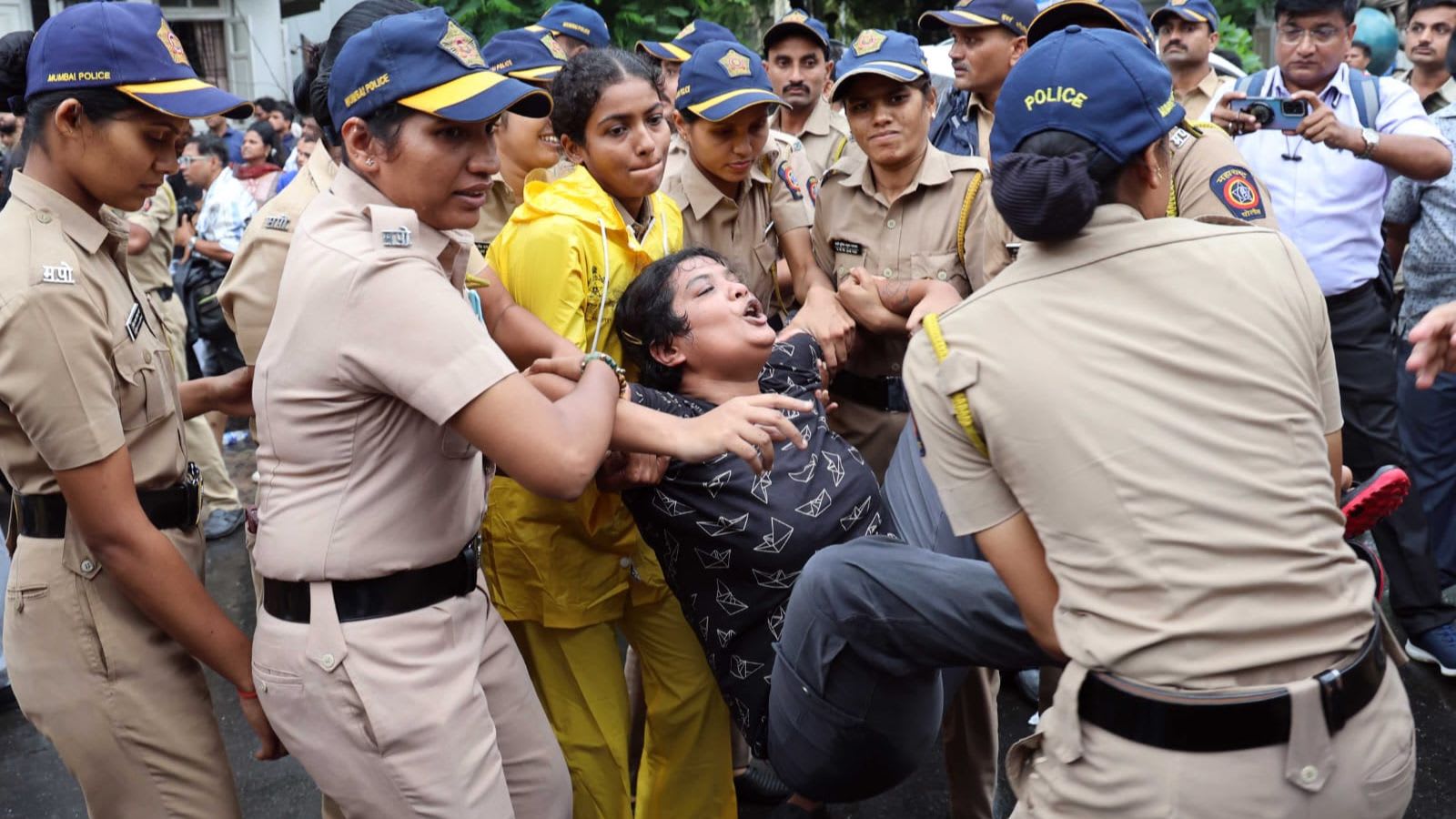
Mumbai police detained approximately 200 protesters at Chaityabhoomi during a demonstration against alleged irregularities in the NEET examination. Organised by MASS, the protest demanded accountability and the resignation of the Union Education Minister.
Turmoil Over NEET: Protests Erupt in Mumbai
On Monday, the streets of Dadar, Mumbai, became the site of significant civil unrest as hundreds of students and activists gathered at the historic Chaityabhoomi. Despite heavy police deployment and the strategic placement of barricades aimed at stifling the demonstration, protesters associated with the Mumbai Against Suppression of Students (MASS) successfully convened to voice their grievances regarding the National Eligibility cum Entrance Test (NEET). This event underscores a mounting nationwide frustration regarding the perceived lack of transparency and integrity in India’s high-stakes medical entrance examinations.
The Scope of the Crackdown
Reports indicate that the Mumbai Police exercised significant control over the area, eventually detaining approximately 200 individuals. The use of barricades to block access to the protest site highlights the tension between the state's security apparatus and the democratic right to dissent. By attempting to contain the gathering at Chaityabhoomi, authorities signaled a firm stance against the disruption, yet the sheer volume of attendees reflects a deep-seated anger that transcends local boundaries, linking Mumbai directly to the larger, ongoing national discourse surrounding the NEET row.
National Solidarity and Political Demands
This demonstration was not an isolated incident but rather a localized expression of a broader national movement. The protesters explicitly aligned themselves with demonstrations occurring in Delhi, which have been spearheaded by the Cockroach Janta Party (CJP) and prominent activist Sonam Wangchuk. By synchronizing their efforts, these groups are attempting to build a cohesive political front that demands systemic reform. The core demands—specifically the call for the resignation of Union Education Minister Dharmendra Pradhan—illustrate that the movement has shifted from a critique of examination logistics to a direct challenge to political leadership.
The Crisis of Accountability
At the heart of this unrest is a profound crisis of confidence in the National Testing Agency (NTA) and the government's oversight of medical admissions. The allegations of irregularities in NEET have struck a nerve among students who view the exam as a gateway to their professional futures. When students believe that the meritocratic nature of their entrance exam has been compromised by corruption or administrative failure, the resulting protests often escalate, as seen in the recent events in Mumbai. The demand for accountability is a reaction to the perceived erosion of fairness in the Indian education system.
Future Implications for Student Movements
Looking forward, the events in Mumbai suggest that student-led activism is becoming increasingly organized and inter-regional. The collaboration between local groups like MASS and national figures like Sonam Wangchuk indicates a strategic effort to sustain pressure on the Ministry of Education. If the government fails to address the underlying grievances regarding the NEET process, it is likely that such protests will continue to proliferate, potentially leading to a more volatile political climate as students continue to demand transparency and structural reform in the examination process.