Mumbai needs power around the clock, clean energy can now deliver it
Source Entity
Latest News: Todays Latest News Headlines from India & World | Hindustan Times | Hindustan Times
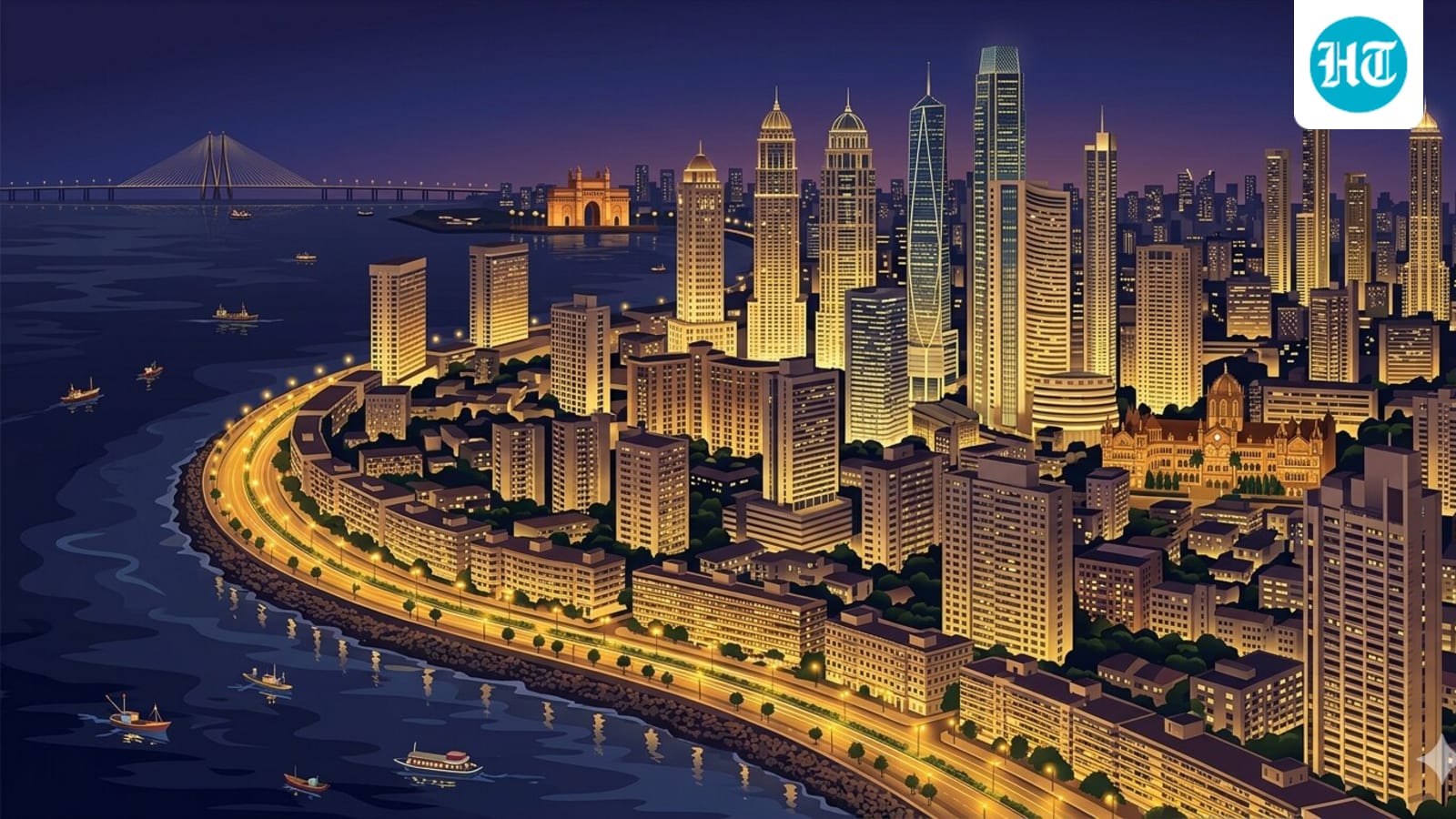
Mumbai's electricity demand is rising significantly due to infrastructure growth and changing weather patterns. Expert Vineet Mittal highlights the urgent need to integrate clean energy to meet this consistent, high-power requirement.
The Surge in Mumbai's Power Demand
Mumbai, a global financial and digital powerhouse, is currently grappling with unprecedented electricity consumption patterns. As noted by Vineet Mittal, chairman of the Avaada Group, the city witnessed an electricity demand exceeding 4,300 MW twice within October alone. This surge is particularly notable because such peak requirements were historically associated only with the scorching heat of May. The fact that October is nearing the all-time record of 4,642 MW set in June underscores a structural shift in the city's energy profile.
Drivers of the Energy Shift
The escalation in demand is driven by rapid urban development and evolving lifestyle patterns. The multiplication of data centers, an expanding metro rail network, and the proliferation of modern office spaces have created a baseline of high power consumption. Furthermore, increased residential air-conditioning usage due to prolonged warm and humid weather conditions—extending well beyond the traditional monsoon season—has placed immense pressure on existing infrastructure.
Current Infrastructure and Grid Reliance
Currently, Mumbai’s internal power generation capacity is insufficient to meet its own needs. Local power plants are only capable of supplying approximately 1,330 MW, leaving a massive deficit. To bridge this gap, grid operators and utilities have been forced to import nearly 3,000 MW from external sources and power exchanges. This reliance on external supply chains highlights the vulnerability of the city's energy security if transmission bottlenecks or market volatility were to occur.
The Role of Clean Energy
Vineet Mittal argues that this critical juncture provides an opportunity to transition toward sustainable solutions. While the demand is constant and around-the-clock, the integration of clean energy is no longer just an environmental goal but a grid-stability necessity. By leveraging renewable sources that can provide round-the-clock (RTC) power, Mumbai can potentially reduce its dependence on external, potentially carbon-intensive, power exchanges.
Future Implications and Urban Planning
As Mumbai continues its trajectory toward becoming a premier digital hub, the demand for reliable, uninterrupted electricity will only grow. Future urban planning must prioritize energy-efficient architecture and decentralized renewable energy projects to mitigate the strain on the central grid. The city's ability to maintain its growth will depend on its capacity to synchronize infrastructure development with a robust, clean, and locally integrated power supply chain.
Conclusion
In summary, the recent power demand statistics for Mumbai serve as a warning and a catalyst for change. The city is outgrowing its traditional power framework, and the transition to a modern, clean energy-reliant grid is essential to sustain its economic momentum. Balancing the needs of a growing digital economy with the constraints of weather-driven demand will be the defining challenge for Mumbai's energy sector in the coming decade.
Verification Required?