Big Tech’s earnings are on deck. There’s more for investors to watch than AI spending.
Source Entity
Mark DeCambre
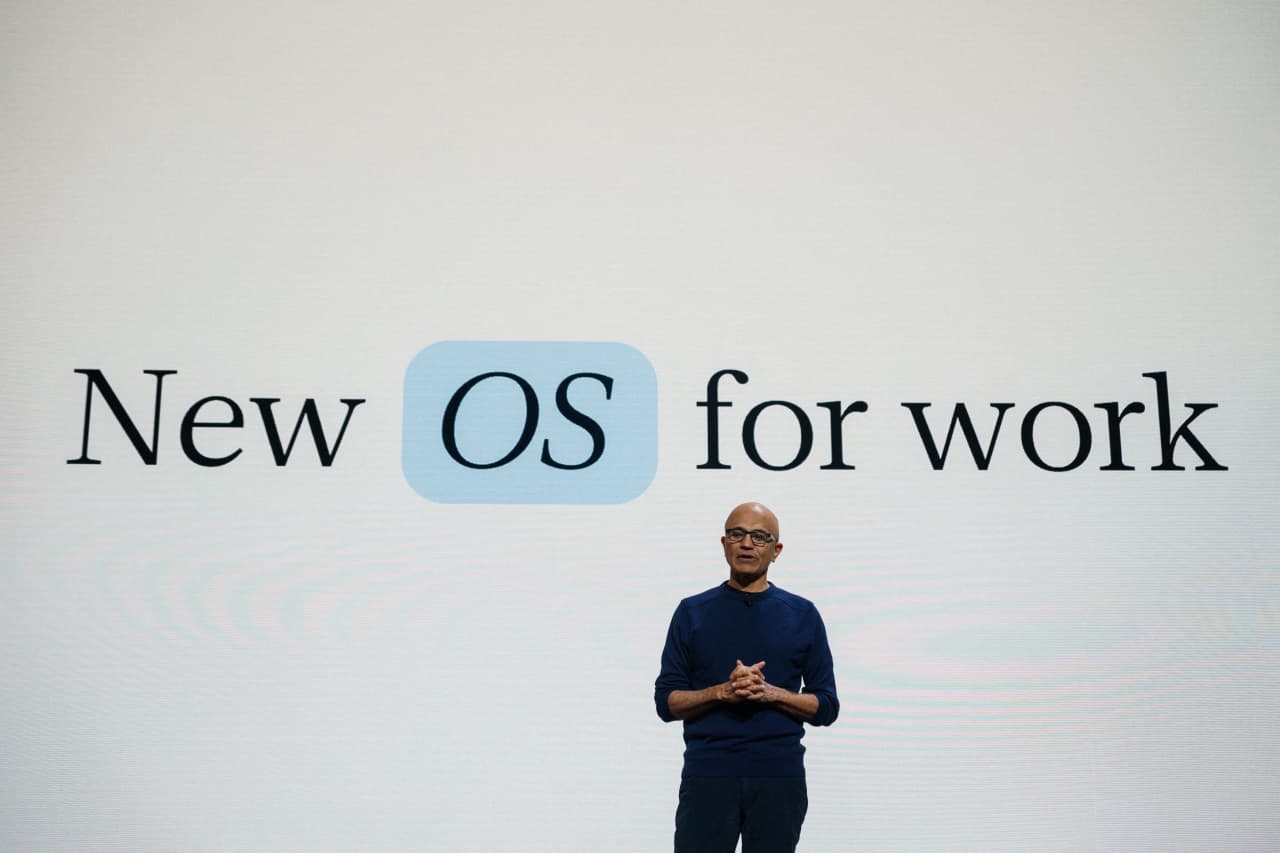
Major tech companies like Microsoft and Alphabet are facing scrutiny over workforce cuts as they pivot toward AI investment. Meanwhile, smaller hardware and design firms are reporting strong earnings, highlighting a divergence in the tech sector's growth.
The Dual Narrative of Big Tech Earnings
As the quarterly earnings season intensifies, the technology sector is presenting a complex, bifurcated narrative. While industry giants such as Microsoft, Alphabet, and Amazon prepare to disclose their financial performance, the primary focus for investors is shifting from pure AI capital expenditure to the tangible human cost of this technological transition. Specifically, persistent workforce reductions at these top-tier companies are fueling a critical debate regarding how artificial intelligence is fundamentally reshaping employment structures within the world's most valuable corporations.
The Human Capital Pivot
The narrative surrounding Microsoft, Alphabet, and Amazon is no longer defined solely by the billions poured into data centers and GPU procurement. Instead, the market is scrutinizing the operational efficiency gained through AI-driven automation and software development. The ongoing layoffs suggest a strategic rebalancing where human labor is being swapped for algorithmic productivity, raising long-term concerns about institutional knowledge retention and the cultural impact of aggressive restructuring in the face of rapid AI adoption.
The Hardware and Design Resurgence
Contrasting the narrative of the tech giants, companies like Celestica, Cadence Design Systems, and Rambus have recently posted third-quarter results that surpassed analyst estimates. These firms, which sit closer to the hardware, infrastructure, and semiconductor design layers of the AI ecosystem, are providing a concrete indicator that the 'AI gold rush' remains highly lucrative for those supplying the foundational components. Their success underscores a critical trend: while the software giants grapple with internal restructuring, the underlying hardware infrastructure continues to see robust demand.
Market Implications and Future Trends
The divergence between the workforce consolidation of the 'Big Tech' giants and the revenue growth of infrastructure suppliers indicates a maturing AI market. Investors are increasingly looking past the headline-grabbing AI spending figures to evaluate the underlying sustainability of these business models. If the top-tier companies cannot demonstrate that their AI investments lead to significant operational margin expansion—or at least stabilize their workforce transition—investor sentiment may shift toward the more predictable growth seen in specialized hardware firms.
Conclusion: Assessing the Long-Term Outlook
Ultimately, the current earnings cycle serves as a litmus test for the tech industry's transition into the AI era. The ability of companies to manage the tension between aggressive AI-driven cost-cutting and the necessity of maintaining a highly skilled workforce will define the next phase of market leadership. As the sector evolves, the focus will likely remain on whether these companies can convert their massive AI capital outlays into durable, long-term competitive advantages that survive the current period of corporate volatility.
Multiple Citing Sources
Verification Required?