Delhi’s Mustafabad election official lodges police complaint seeking FIR over false Form 7s filing
Source Entity
India Latest News: Top National Headlines Today & Breaking News | The Hindu
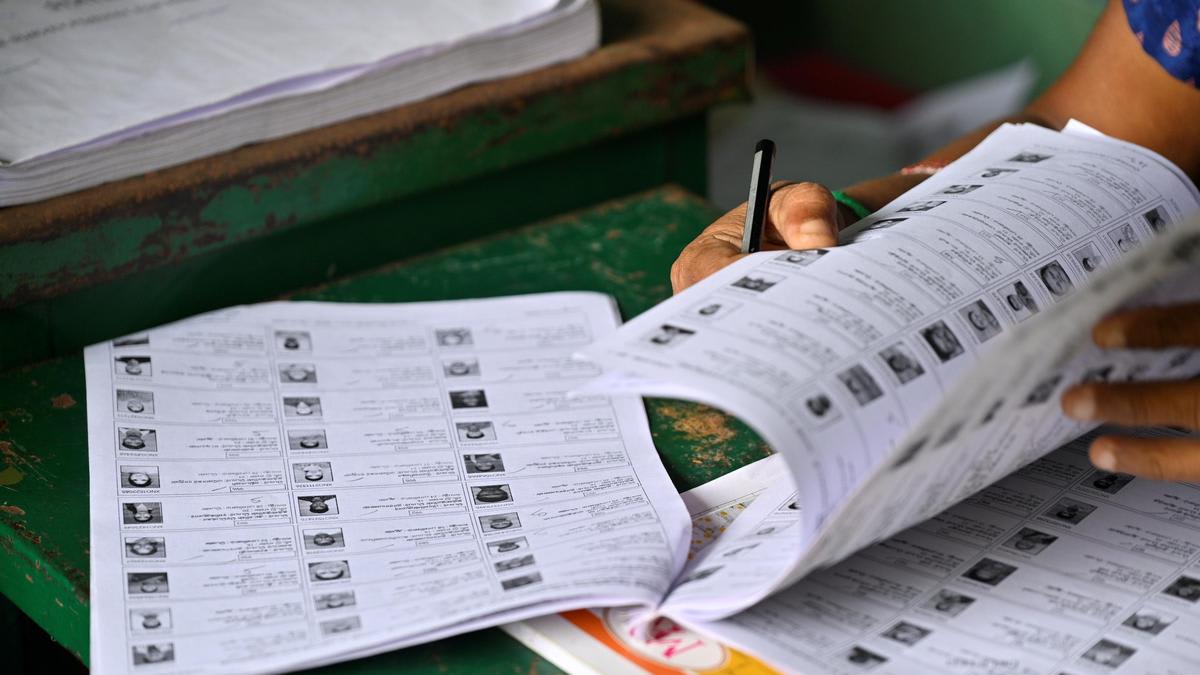
Election officials in Delhi's Mustafabad constituency have filed a police complaint after discovering 36 out of 37 Form 7s for voter deletion were fabricated. The incident highlights potential electoral fraud and the importance of verification processes under the Representation of the People Act.
Integrity of the Electoral Roll: The Mustafabad Incident
Recent reports from Delhi’s Mustafabad constituency have brought to light a concerning attempt to manipulate the electoral roll. The Electoral Registration Officer (ERO) has formally lodged a police complaint seeking an FIR against a Booth Level Agent (BLA) following the discovery of fraudulent Form 7 filings. Form 7, which is designated for the deletion of names from the electoral register, was weaponized to target residents who, in reality, continue to reside at their registered addresses.
The Mechanics of the Fraud
The investigation, triggered by reports in The Hindu, prompted an independent verification by the North East District Election Officer (DEO), Ajay Kumar. The verification process revealed a staggering failure in the submission process: 36 out of 37 submitted forms were found to be completely fabricated. This indicates a coordinated effort to disenfranchise voters by exploiting the procedural mechanisms meant to maintain an accurate and updated electoral database.
Legal Implications and Section 31
The move to invoke Section 31 of the Representation of the People (RP) Act of 1950 is a significant step in upholding the sanctity of the democratic process. Section 31 specifically addresses the making of false declarations in connection with the preparation or revision of electoral rolls. By pursuing an FIR, election authorities are signaling a zero-tolerance policy toward individuals or agents who attempt to subvert democratic participation through administrative deception.
The Role of Independent Verification
This incident underscores the vital importance of the DEO’s independent verification protocols. In an era where digital and physical records are susceptible to manipulation, the ability of election offices to cross-reference claims of residency against ground-level reality acts as a primary defense for voter rights. The fact that the discrepancy was caught before the deletions were processed suggests that current oversight mechanisms, while tested, remain functional.
Broader Implications for Democracy
Beyond the local context of Mustafabad, this event serves as a cautionary tale for election integrity across India. The use of BLAs—individuals intended to facilitate voter representation—to commit fraud highlights a potential vulnerability in the chain of trust. Future electoral cycles will likely see increased scrutiny on the submission of deletion requests, potentially leading to more rigorous digital verification or mandatory field audits for every Form 7 submitted.
Conclusion
The prompt response by the Mustafabad election authorities reinforces the importance of transparency and accountability. By publicly identifying the fraudulent nature of these filings and seeking legal redress, the DEO has taken a necessary step to protect the voting rights of the constituency. As the electoral process evolves, the integration of technology and vigilant administrative oversight will remain the bedrock of ensuring that every legitimate vote is counted.
Verification Required?