My Rules for Using Spreadsheets
Source Entity
Hacker News
An exploration of the fundamental skepticism toward spreadsheet usage and the practical exceptions where they remain useful. The analysis highlights the tension between the ease of grid-based data entry and the inherent risks of unstructured data management.
The Spreadsheet Paradox: Efficiency vs. Structure
The fundamental skepticism toward spreadsheets—often summarized by the rule "Don't"—stems from a desire for rigorous data management. Spreadsheets are deceptively simple: they present users with a blank grid of cells that act as immediate, undefined data containers. Unlike formal database systems, spreadsheets do not require the user to name fields, define data types, or enforce structural integrity before beginning work. This low barrier to entry is the primary reason for their ubiquity, yet it is also the source of their greatest professional liabilities.
The Allure of the Grid
The attraction of a spreadsheet lies in its immediate utility. When a user opens an application like Apple Numbers or Microsoft Excel, they are not tasked with architecting a schema; they are simply asked to input data. This tactile, visual interaction allows for rapid prototyping and quick calculations. However, this lack of formal structure often leads to "spreadsheet rot," where data becomes inconsistent, formulas break, and the lack of documentation makes the file nearly impossible for others to audit or maintain over time.
The Trigger for Introspection
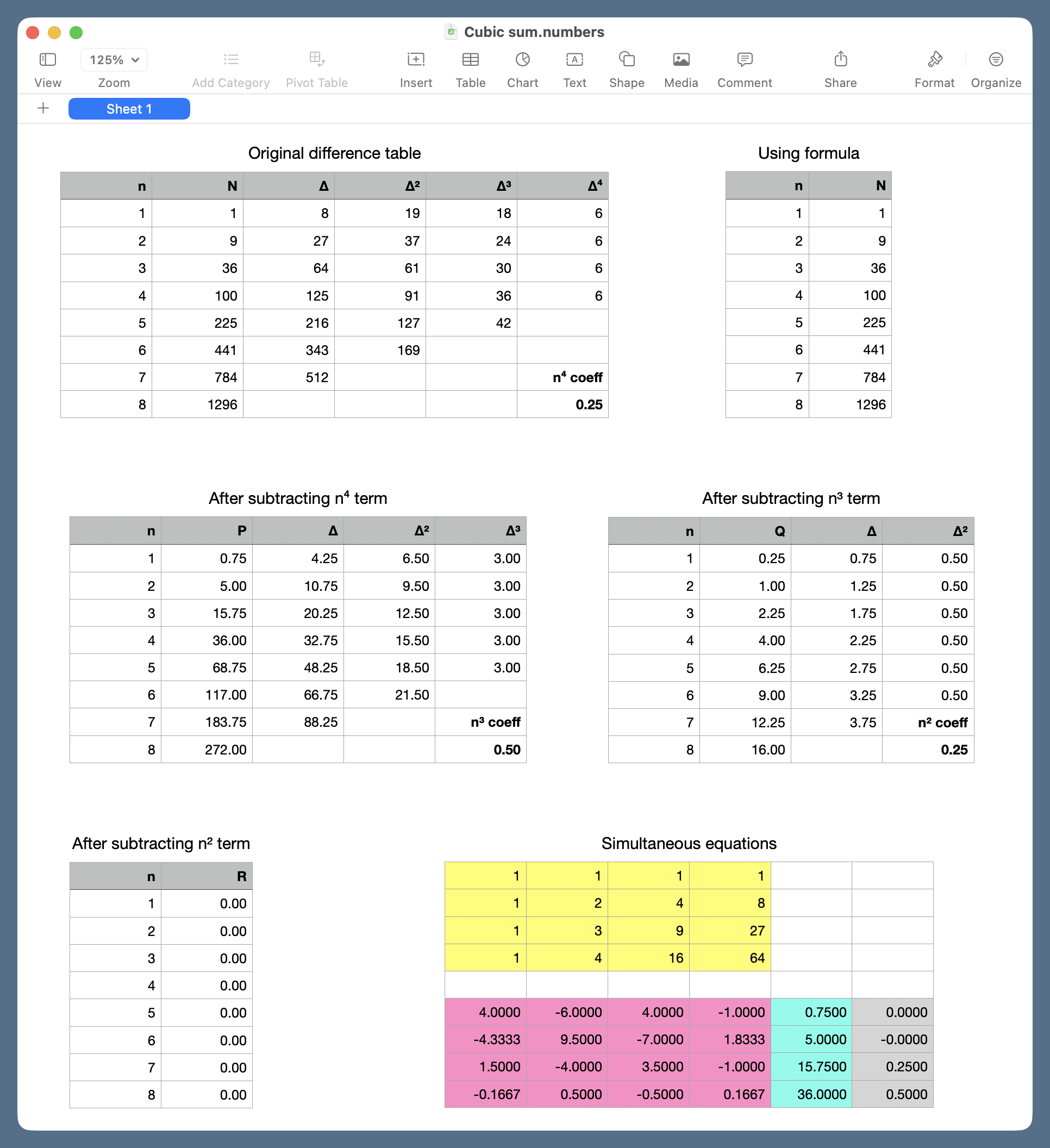
Recent discourse, spurred by presentations like those from Allison Sheridan at Macstock, has reignited the debate over software dependency. When experts begin to re-evaluate their reliance on spreadsheets, it is often because they have encountered the limitations of the tool during complex tasks. For instance, creating difference tables or performing data sanitization often pushes a spreadsheet to its breaking point, highlighting the need for more robust, programmatic approaches to data manipulation.
When the Rules Must Bend
Despite the "Don't" philosophy, there are unavoidable exceptions. Spreadsheets excel at one-off tasks, such as cleaning up a specific set of messy data or visualizing simple relationships between variables. In these instances, the speed of the grid outweighs the long-term benefits of a structured database. The key to successful usage lies in recognizing when a task is ephemeral enough to justify a spreadsheet and when it is complex enough to require a more permanent, scalable solution.
Future Trends in Data Management
As professional workflows become increasingly data-driven, the divide between casual spreadsheet users and data engineers continues to widen. We are likely to see a shift toward "no-code" and "low-code" database platforms that offer the visual simplicity of a spreadsheet while enforcing the structural rigors of a relational database. This evolution aims to bridge the gap, allowing users to keep the convenience they love without sacrificing the reliability that modern data analysis demands.
Conclusion
Ultimately, the rules surrounding spreadsheet usage should be dictated by the longevity and importance of the data. While the grid remains an essential tool for rapid analysis and initial data exploration, it should not be the default home for critical, long-term information. By approaching spreadsheets with a healthy dose of skepticism, users can ensure they utilize these tools for their strengths without falling victim to their structural weaknesses.