RustDesk now supports true unattended remote access on Wayland
Source Entity
Hacker News
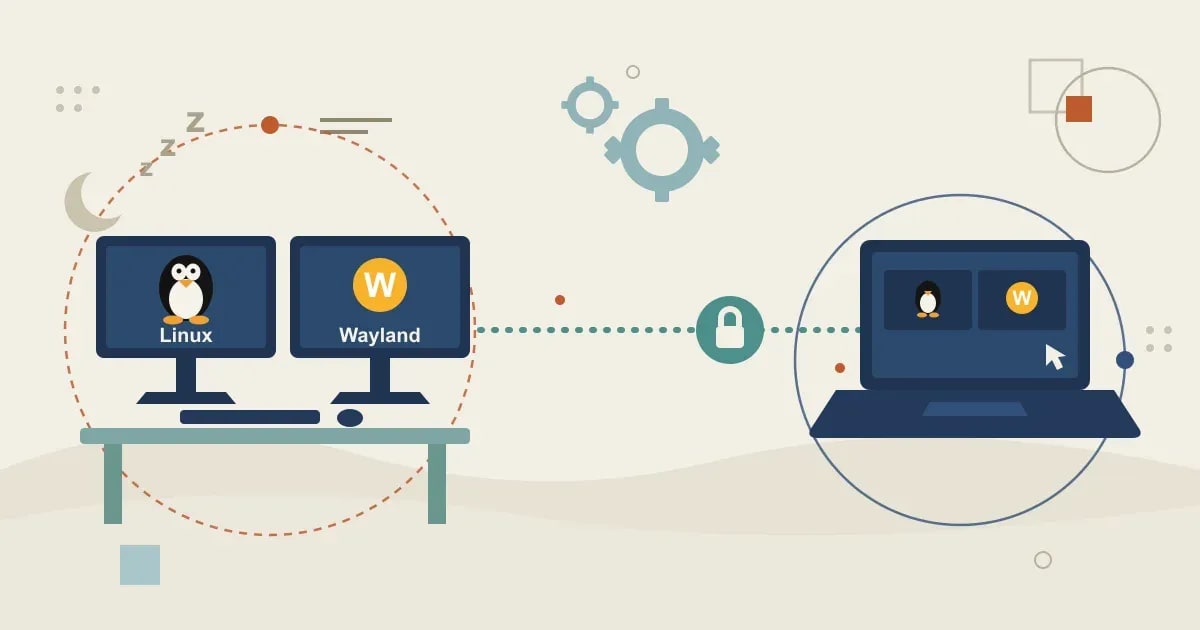
RustDesk has introduced a preview build enabling true unattended remote access for Linux systems running Wayland. This update bridges a critical gap in Linux remote desktop functionality, supporting multi-monitor setups and login screen access.
Bridging the Wayland Gap: RustDesk’s Latest Development
RustDesk has officially announced a significant milestone in Linux remote administration by providing true unattended remote access on Wayland. For years, the Linux desktop ecosystem has struggled with the transition from the legacy Xorg display server to the modern Wayland protocol. While Wayland offers superior security and architecture, its strict design choices regarding input and output isolation have historically hindered remote desktop software, often requiring manual user intervention to approve every incoming connection.
Overcoming Historical Limitations
The core difficulty in achieving unattended access on Wayland stems from its security-first architecture, which intentionally prevents one application from capturing the screen or injecting input into another without explicit permission. Historically, this forced users to stick with Xorg if they required seamless, hands-off remote support. By enabling unattended access, RustDesk is effectively solving a major pain point for system administrators who manage headless or remote Linux workstations, allowing them to initiate sessions without needing a physical presence at the target machine.
Advanced Features and Multi-Monitor Support
Beyond mere connectivity, this update includes support for multi-monitor setups, a complex requirement for remote desktop protocols where screen geometry and display output mapping are critical. The ability to connect even from the login screen after a system reboot is a game-changer for IT support, as it allows for troubleshooting boot-level issues or performing administrative tasks that were previously impossible without direct physical access or a secondary Xorg-based session.
Strategic Implications for Linux Administration
This development positions RustDesk as a formidable competitor to established remote access solutions. For instance, major market incumbents like AnyDesk have historically relied heavily on Xorg, often leaving Wayland users with degraded experiences or limited functionality. By prioritizing Wayland-native workflows, RustDesk is signaling a shift toward modernizing remote management tools to align with the default display protocols of modern distributions like Fedora, Ubuntu, and Debian.
Current Availability and Future Outlook
Currently, this functionality is being deployed via a specialized preview build tailored for x86_64 Debian and Ubuntu-based systems. This targeted release allows developers to gather telemetry and feedback before integrating the feature into the main branch. As Wayland continues to become the standard across the Linux landscape, the success of this implementation could set a new benchmark for how remote desktop software interacts with secure display protocols, potentially forcing other industry players to accelerate their own Wayland support roadmaps.