MCC receives applications pertaining to e-Khata, completion reports at grievance redressal meet
Source Entity
India Latest News: Top National Headlines Today & Breaking News | The Hindu
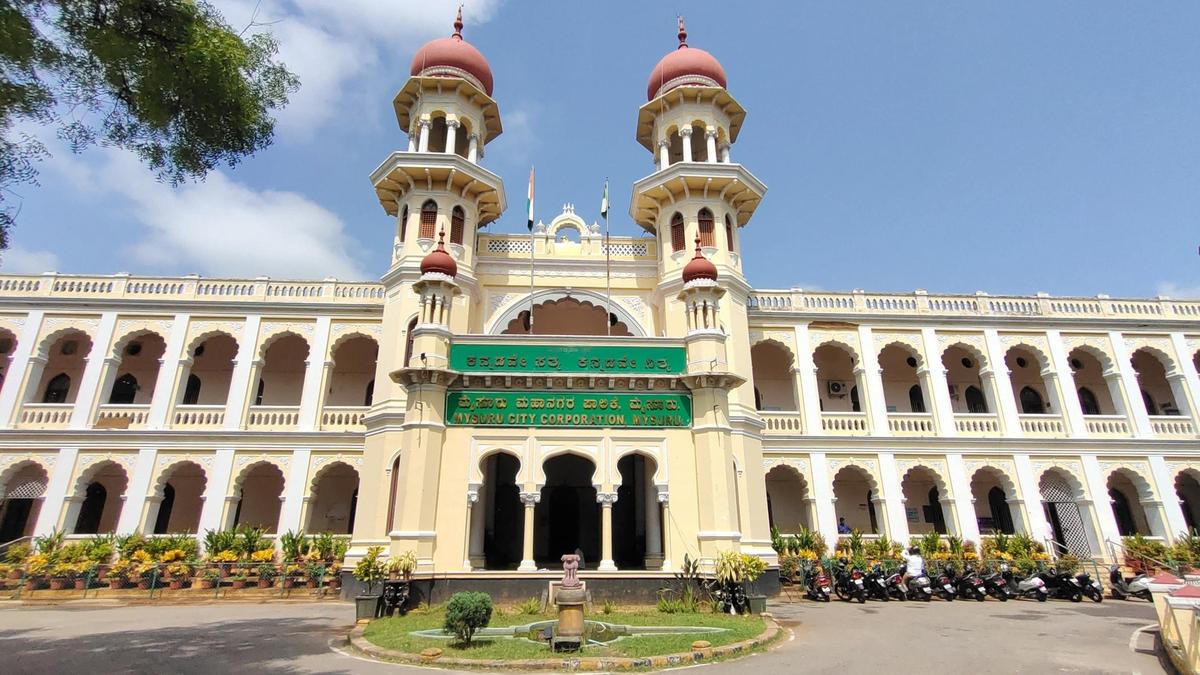
The Mysuru City Corporation is addressing administrative backlogs through grievance redressal meetings while grappling with rising violence against municipal staff. Recent events highlight the friction between urban governance enforcement and public safety concerns.
Administrative Challenges and Public Safety in Mysuru
The Mysuru City Corporation (MCC) is currently navigating a dual challenge: the modernization of property documentation and the protection of municipal personnel in the field. On October 6, the corporation held a high-level grievance redressal meeting to address bureaucratic hurdles, specifically involving e-Khatas and Completion Reports (CRs). Simultaneously, the city is reeling from a violent incident on October 4, where a municipal contract worker was stabbed while performing routine enforcement duties.
Streamlining Property Documentation
The grievance redressal meeting, chaired by MCC administrator Nitesh Patil, signals a proactive approach to resolving systemic delays in property record management. With 28 applications processed in a single session—including 12 for e-Khatas and four for CRs—the MCC is attempting to reduce the backlog that often leaves property owners in legal and financial limbo. The e-Khata system is a critical component of digital governance in Karnataka, and the immediate disposal of three cases during the meeting suggests an intent to improve administrative efficiency.
The Human Cost of Municipal Enforcement
While the administration focuses on digitization, the physical safety of MCC employees remains under threat. The assault on Raghu, a contract worker with the ‘Abhaya’ team, highlights the dangers inherent in clearing unauthorized flex banners. This incident, occurring at FTS Circle in the N.R. Assembly constituency, resulted in serious stab injuries to the victim. The arrest of two suspects confirms that the enforcement of urban aesthetics and public space regulations continues to provoke violent reactions from offenders.
Governance and Public Order
The juxtaposition of these two events—a formal committee meeting and an act of street violence—illustrates the broader difficulties faced by municipal bodies in India. Local governments are expected to simultaneously act as service providers and regulatory enforcers. When enforcement activities like banner removal face physical resistance, the morale and efficacy of the entire municipal workforce are compromised. The visit by Commissioner M.K. Savita to the hospital underscores the administration's recognition of this risk.
Future Trends and Institutional Resilience
Moving forward, the MCC will likely need to integrate stronger security protocols for field staff, particularly for teams like ‘Abhaya’ that operate at night. The success of the grievance redressal model in clearing 28 applications demonstrates that direct engagement with citizens can mitigate frustration. If the MCC can balance efficient service delivery with robust protection for its workers, it may set a standard for municipal stability in the region. However, the persistence of public friction during enforcement tasks remains a significant hurdle to effective urban management.
Verification Required?