Kuki Man found dead after alleged abduction by armed group in Manipur's Kangpokpi district
Source Entity
Latest News: Todays Latest News Headlines from India & World | Hindustan Times | Hindustan Times
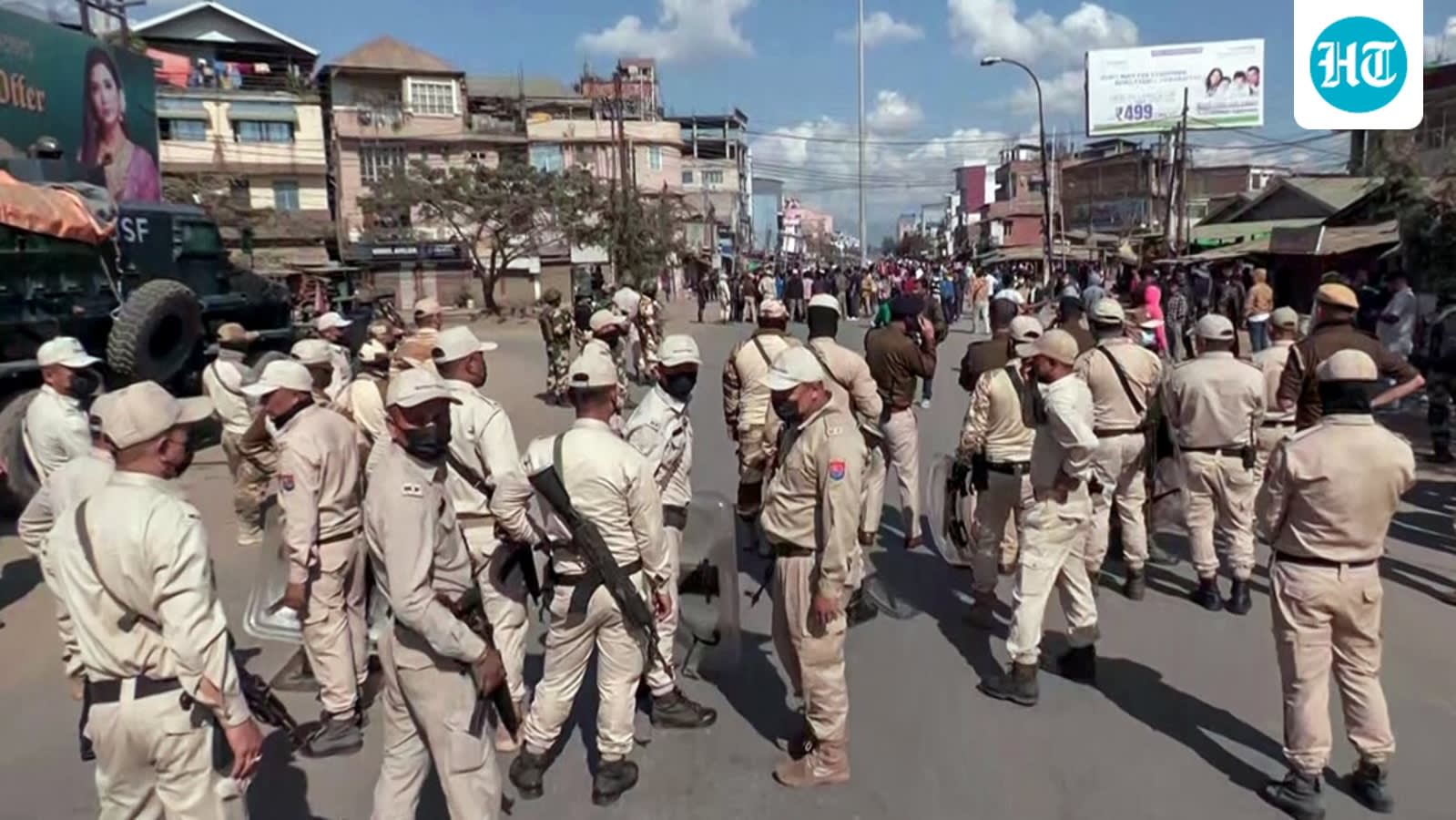
A 71-year-old Kuki man, Hemjang Haokip, was found dead in Manipur's Kangpokpi district after being abducted from his field. Local authorities and village groups are investigating the incident amid ongoing regional tensions.
Tragic Death of Hemjang Haokip in Manipur
The Incident in Kangpokpi
The recent discovery of 71-year-old Hemjang Haokip’s body in a forest near Khunkho Kuki village has sent shockwaves through Manipur’s Kangpokpi district. Haokip, who had been missing since Saturday, was found with his hands tied behind his back—a detail that suggests a deliberate and violent abduction. His disappearance was first noted after his field hut was set ablaze, an act of destruction that preceded his capture and subsequent death.
Discrepancies and Investigations
There are minor variations in reports regarding the victim's exact age—listed as 71 in some accounts and 76 in others—and the specific attribution of the crime. While official police investigations remain ongoing to identify the perpetrators, the Khunkho Kuki Village Authority has pointed toward the involvement of cadres from the National Socialist Council of Nagaland-Issac Muivah (NSCN-IM). This accusation highlights the complex, multi-layered nature of ethnic and factional conflicts currently plaguing the region.
Broader Regional Implications
The incident reflects the persistent instability in Manipur, where civilians often find themselves caught in the crossfire of inter-tribal tensions and the presence of various armed groups. The burning of a field hut followed by an abduction signifies a targeted approach to intimidation, creating a climate of fear among agricultural communities in the Kangpokpi district who rely on their land for survival.
Historical Context of Conflict
Manipur has long struggled with historical grievances between different ethnic groups, including Kuki and Naga communities, alongside the presence of various insurgent factions. These tensions have intermittently flared into violence, often involving the destruction of property and personal safety. The involvement of armed groups in civilian disputes, as alleged by the village authority, complicates the law enforcement response and deepens existing communal rifts.
Future Trends and Security Challenges
Looking ahead, the security situation in Manipur remains precarious. The reliance on search operations by security forces—including the use of sniffer dogs—demonstrates the difficulty in patrolling remote, forest-dense regions where such crimes occur. Unless regional peace-building efforts are bolstered, incidents of this nature risk further destabilizing the fragile social fabric of the hill districts, potentially leading to increased demands for heightened security and community self-defense mechanisms.
Conclusion
The death of Hemjang Haokip serves as a stark reminder of the human cost of the ongoing unrest in Manipur. As police investigations continue, the focus will remain on identifying the armed actors responsible and addressing the underlying security gaps that allow such abductions to occur. The resolution of this case is critical not just for justice, but for restoring a semblance of safety to the rural populations of Kangpokpi.
Verification Required?