UP: ABVP workers, female students write letters with blood; protest over administration's indifference
Source Entity
Latest News: Todays Latest News Headlines from India & World | Hindustan Times | Hindustan Times
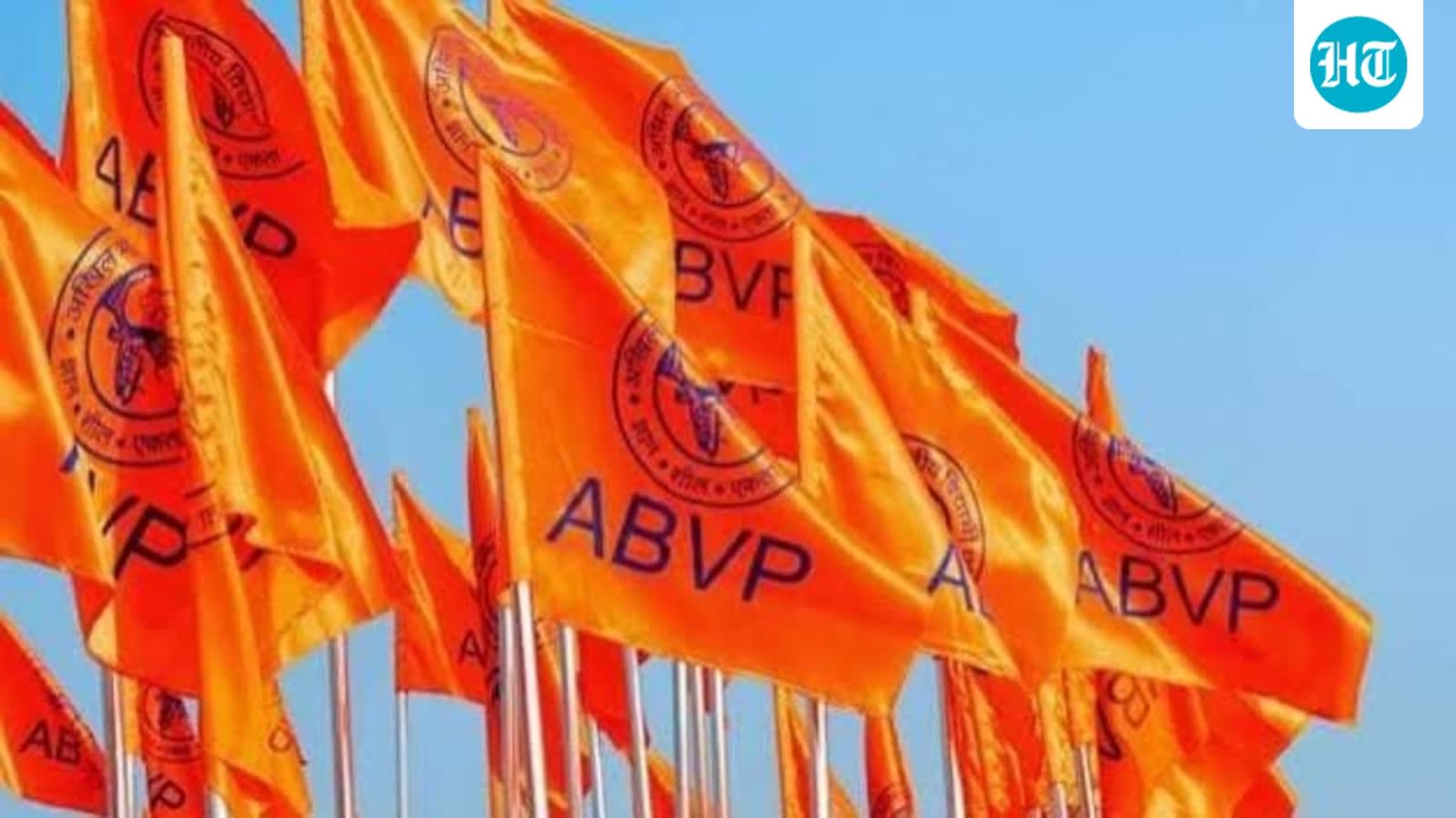
ABVP students at Banaras Hindu University are on an indefinite strike for the 12th day, demanding improved campus safety and administrative accountability. The protest escalated as students, including female participants, wrote letters in blood to highlight the administration's continued indifference.
The Escalation of Student Unrest at Banaras Hindu University
The ongoing standoff at Banaras Hindu University (BHU) reached a dramatic inflection point as members of the Akhil Bharatiya Vidyarthi Parishad (ABVP) and female students resorted to writing letters in their own blood. This visceral form of protest, occurring on the 12th day of an indefinite strike, serves as a stark indicator of the deepening rift between the student body and the university administration. By utilizing such extreme measures, the protesters aim to compel the university leadership to address a 10-point charter of demands that have remained largely unaddressed despite nearly two weeks of organized dissent.
Core Demands and Administrative Accountability
At the heart of the agitation are critical concerns regarding student safety, institutional transparency, and administrative accountability. The ABVP unit at BHU has consistently argued that the university’s current governance structure is indifferent to the immediate needs of its students. The 10-point demand list reflects a broad dissatisfaction with campus infrastructure and security protocols, suggesting that students feel increasingly vulnerable within the university environment. This protest highlights a systemic challenge faced by large central universities in India, where administrative bottlenecks often delay the resolution of student-centric issues.
The Role of Gender in Campus Advocacy
Notably, the participation of female students in the blood-writing protest adds a significant layer to the narrative. By taking such a public and physically demanding stance, these students are highlighting that concerns over safety and justice are not merely abstract policy debates but lived experiences. The involvement of female students underscores the urgency of their demand for a secure academic environment, signaling that the current administrative response has failed to reassure a significant portion of the student population regarding their well-being on campus.
Historical Context and Institutional Tensions
Banaras Hindu University has a long history of student activism, often serving as a barometer for broader political sentiments within the Indian educational landscape. The current situation fits into a recurring pattern where student organizations leverage protests to challenge administrative inertia. The persistence of this 12-day strike demonstrates a high level of organizational commitment from the ABVP unit, which is now moving beyond traditional sit-ins to more symbolic and disruptive forms of protest to ensure their grievances are no longer ignored.
Future Implications and Resolution
The escalation to writing letters in blood places immense pressure on the university administration to break its silence and initiate a formal dialogue. If the administration continues to remain indifferent, there is a strong possibility that the protest will gain further momentum, potentially involving larger student factions or drawing external political attention. Moving forward, the university must prioritize a transparent, time-bound resolution process to prevent further radicalization of the protest and to restore stability to the academic environment. The outcome of this standoff will likely serve as a case study for how administrative bodies in major universities manage high-stakes student grievances in the future.
Verification Required?