Gujarat Hardlook: Inside the Rs 1,200-cr ‘rebirth’ of Sabarmati Ashram
Source Entity
Parimal A Dabhi, Leena Misra
India is witnessing a significant transformation of its historical landmarks through modern development projects. From Ujjain’s infrastructure expansion for Simhastha 2028 to the restoration of Sabarmati Ashram, the country is balancing heritage preservation with urban modernization.
India’s Urban Evolution: Balancing Heritage and Modernity
India is currently navigating a complex intersection between historical preservation and the pressing demands of modern urban development. Across the country, iconic sites—ranging from the ancient temple town of Ujjain to the hallowed grounds of the Sabarmati Ashram—are undergoing significant transformations that reflect a broader national push toward infrastructure upgrades and curated historical narratives.
The Ujjain Transformation: Simhastha 2028
In Ujjain, the preparations for the Simhastha 2028 festival have catalyzed a radical restructuring of the city’s landscape. Long defined by its ancient temples, traditional ghats, and British-era architecture, the city is now experiencing a rapid, and at times contentious, modernization. The administration is actively widening roads and streamlining urban corridors to accommodate the massive influx of pilgrims expected for the upcoming event. This process, however, has not been without social friction, as evidenced by protests surrounding the removal of structures like the Shahi Masjid to facilitate road alignment.
Leadership and Sacrifice
The intensity of this development is underscored by the personal involvement of local leadership. Chief Minister Mohan Yadav’s decision to personally oversee the demolition of his grandfather’s ancestral home in Abdalpura serves as a powerful, if symbolic, demonstration of the government's commitment to the project. This act highlights the 'race against time' that the administration faces to ensure that Ujjain’s infrastructure meets the logistical requirements of a global gathering of such spiritual and cultural magnitude.
The Rebirth of Sabarmati Ashram
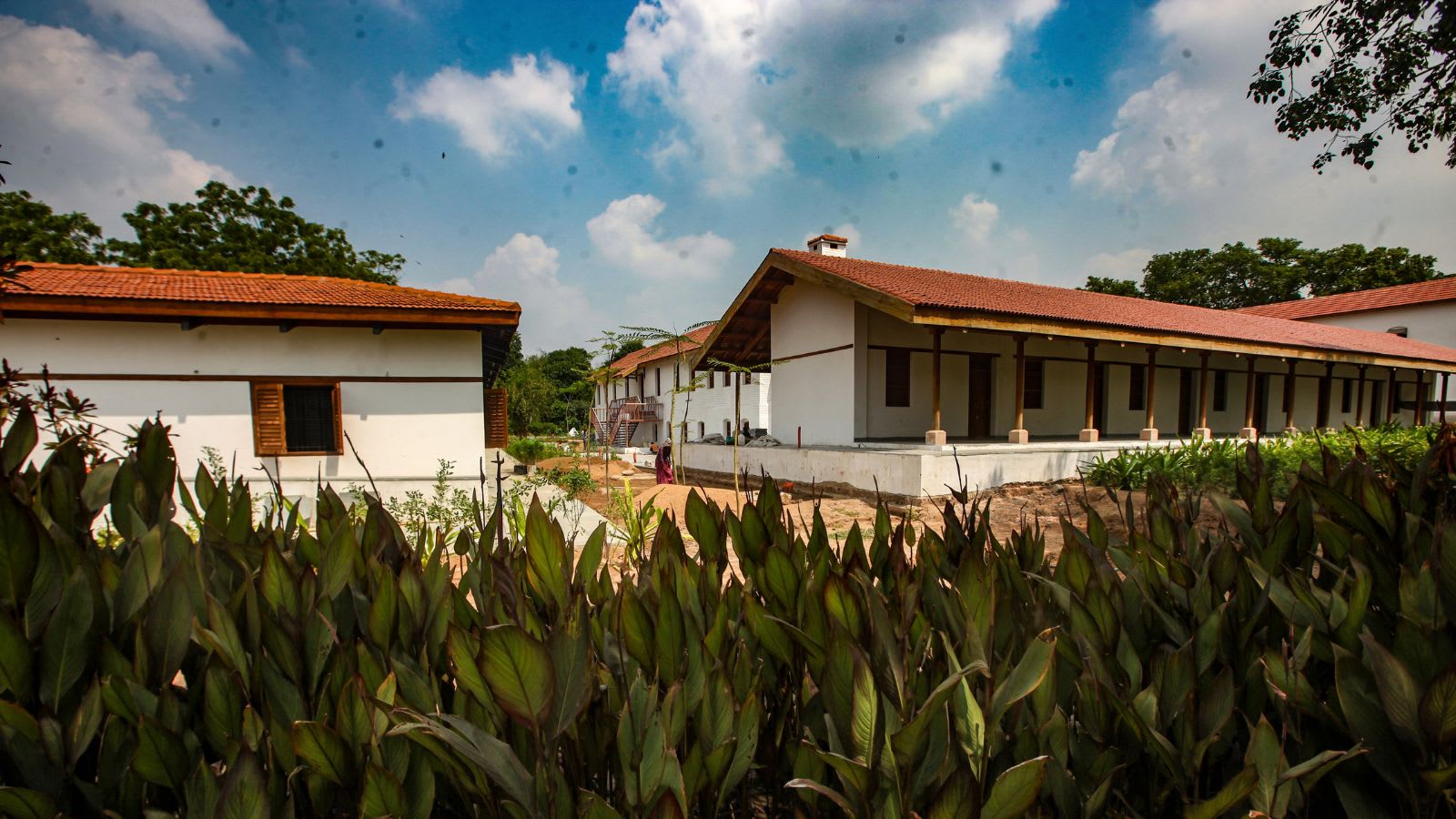
Contrasting the rapid industrial-style expansion in Ujjain, the Sabarmati Ashram in Gujarat is undergoing a more curated 'rebirth.' The Rs 1,200-crore Gandhi Ashram Redevelopment Project is focused on restoring original structures while integrating modern visitor experiences. By incorporating exotic flora and Victorian-style aesthetics, the project aims to transform the 55-acre site into an immersive museum experience. This shift represents a move toward 'experience-based heritage,' where the life of Mahatma Gandhi is narrated through high-end landscaping and interactive spaces.
The Enduring Legacy of Clock Towers
Amidst these large-scale government-led projects, smaller historical artifacts like the Sabzi Mandi Ghanta Ghar in Delhi remain as quiet witnesses to the passage of time. These structures, built by industrialists in the 1940s, continue to serve as community landmarks. Unlike the state-led mega-projects, these towers represent a grassroots connection to local history, where their maintenance and survival are often tied to the personal memories of shopkeepers and residents, rather than national development agendas.
Future Trends and Conclusion
The current trend suggests a dual approach to Indian heritage: large-scale, state-mandated infrastructural integration for major cultural hubs, and the aesthetic curation of historical sites for tourism and education. As India moves forward, the success of these projects will depend on how effectively the government can balance the necessity of urban expansion with the preservation of the community's emotional and historical connection to these spaces. The coming years will likely see a continued tension between the bulldozer's path and the preservationist's intent, defining the physical character of India's evolving cities.