Army veteran among 2 held in Assam for passing defence information to Pakistani operative, were ‘honey-trapped’ via online sex rackets
Source Entity
Latest News: Todays Latest News Headlines from India & World | Hindustan Times | Hindustan Times
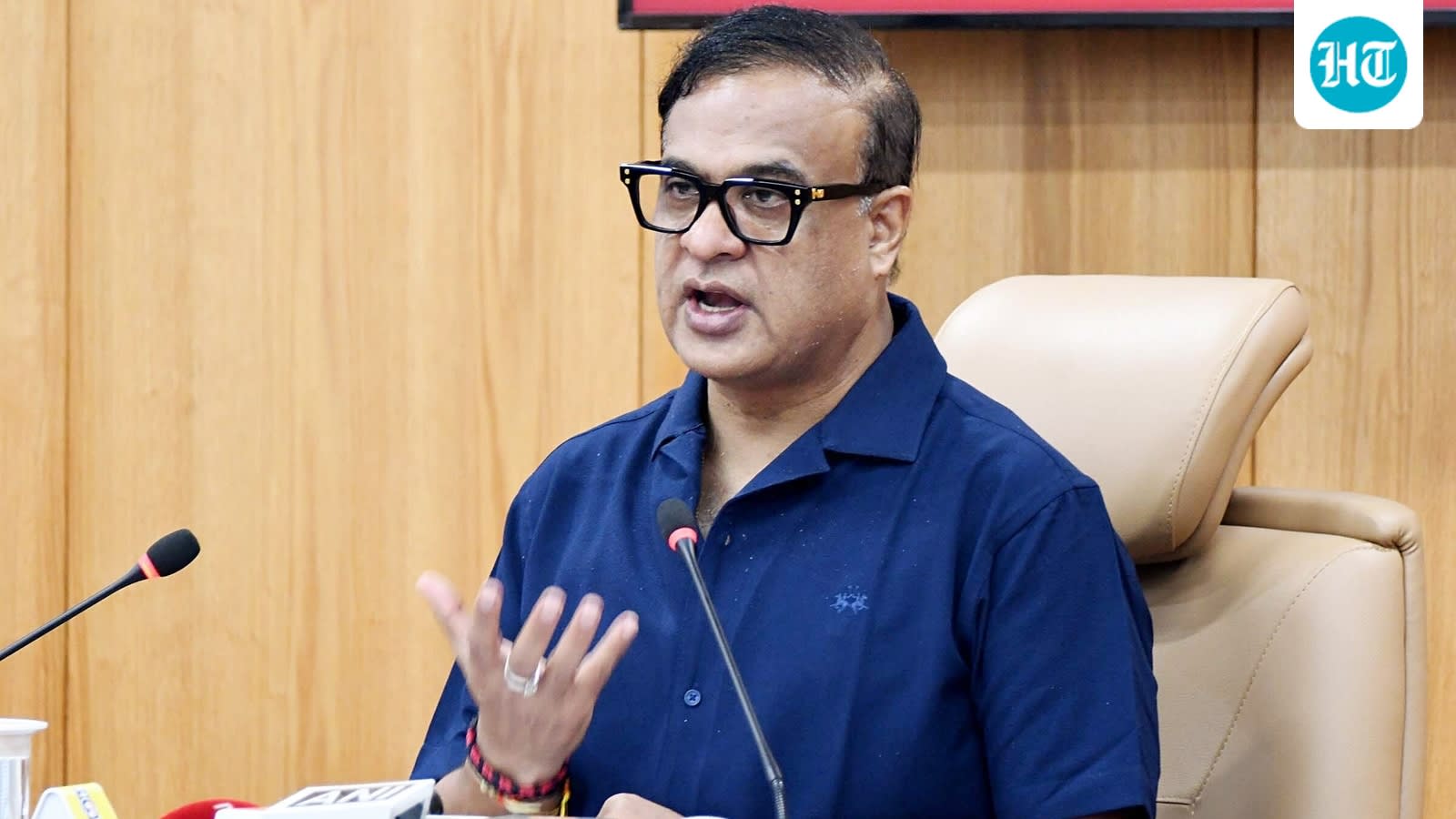
Two individuals, including an Army veteran, were arrested in Assam for allegedly leaking sensitive defence information to a Pakistani operative. The suspects were reportedly compromised through online honey-trapping schemes.
Breach of Security: The Assam Espionage Case
Recent reports from Guwahati highlight a grave security incident involving the arrest of two individuals accused of passing confidential defence information to a Pakistani intelligence operative. Among those detained is an Indian Army veteran, who had been serving on a contractual basis following his formal retirement, alongside a resident of Bihar identified as Abhishek Kumar Singh. The arrests were confirmed by Assam Chief Minister Himanta Biswa Sarma, following an investigation led by the state's Special Task Force (STF).
The Mechanics of the Compromise
The investigation suggests that the suspects were targeted through sophisticated online honey-trapping rackets. This method involves operatives establishing fake digital personas to cultivate personal relationships with targets, eventually coercing or manipulating them into disclosing classified data. The use of 'honey-trapping' has become a recurring challenge for national security agencies, as it exploits human vulnerability to bypass traditional cybersecurity measures and physical perimeter security.
Implications for National Security
The alleged sharing of information regarding the movements of security forces poses a significant risk to operational integrity. When personnel with access to sensitive logistical or strategic data are compromised, it necessitates a complete review of internal security protocols. The fact that one suspect was a retired veteran currently under contract underscores the ongoing challenge of maintaining high-security vetting processes for personnel who transition between active service and contractual roles within the defense ecosystem.
Investigating the Intelligence Network
The involvement of a foreign intelligence operative signals a coordinated effort to penetrate India's internal security framework. The STF's intervention is a critical step in disrupting this specific network, but the broader investigation will likely focus on how long this information exchange had been occurring and what specific operational details were compromised. Authorities are now tasked with mapping the extent of the damage and identifying any other potential nodes within this intelligence chain.
The Path Forward and Preventative Measures
Moving forward, this incident will likely lead to stricter scrutiny of personnel holding sensitive positions, particularly those involving retired staff. The government and military leadership are expected to reinforce counter-intelligence training, emphasizing the dangers of digital solicitation and the risks posed by online interactions with unknown entities. As the legal proceedings against the two accused move forward, the focus will remain on fortifying the information security perimeter against similar hybrid warfare tactics designed to exploit the digital footprint of military-affiliated individuals.
Verification Required?