5 dead, 4 more missing after landslides in Nagaland’s Mon district
Source Entity
Latest News: Today's Latest News Headlines from India & World | Hindustan Times | Hindustan Times
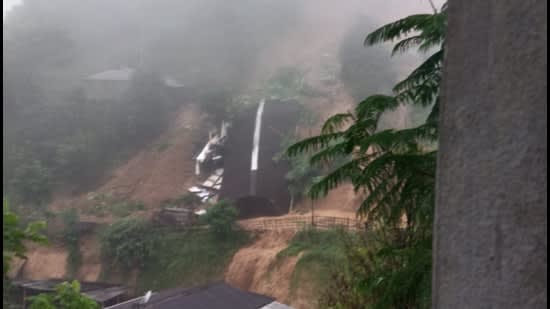
Devastating landslides triggered by incessant rainfall in Nagaland's Mon district have left at least eight people dead and twelve injured. The disaster destroyed 45 houses, prompting urgent rescue operations by the NDRF and SDRF.
Tragedy in Nagaland: Massive Landslides Devastate Mon District
In a harrowing sequence of events on Sunday, the Mon district of Nagaland was struck by a series of massive landslides triggered by incessant and heavy rainfall. The disaster, which unfolded primarily between 6:00 AM and 2:00 PM, has resulted in a significant loss of life and widespread infrastructural destruction. Initial reports confirm that at least eight people have died, with several bodies recovered and others still trapped beneath debris. The human toll is further compounded by twelve injuries, including a 10-year-old child, highlighting the vulnerability of residents during these sudden geological shifts.
Localized Impact and Human Cost
The landslides were not isolated incidents but struck multiple locations across the district, with Mon town and Tizit being identified as the most severely affected areas. The timing of the event—occurring in the wee hours of the morning—likely caught many residents off guard, exacerbating the casualty count. Among the deceased is a 16-year-old, underscoring the tragic impact on the youth of the region. Rajya Sabha MP S Phangnon Konyak noted that the relentless rains led to rapid soil instability, causing the earth to give way and bury homes and livelihoods in a matter of hours.
Infrastructural Collapse and Displacement
Beyond the immediate loss of life, the material destruction has been catastrophic. Officials have reported that at least 45 houses were completely destroyed, leaving numerous families homeless and displaced. In mountainous terrains like Nagaland, the collapse of residential structures often leads to secondary hazards, such as blocked drainage systems and unstable ground for neighboring properties. The sheer scale of the destruction in Mon town indicates a high level of saturation in the soil, which is a common precursor to large-scale slope failure during the monsoon season.
Mobilization of Emergency Services
In response to the crisis, a coordinated rescue operation was launched involving the State Disaster Response Force (SDRF), the National Disaster Response Force (NDRF), and local police teams. Mon Deputy Commissioner Wennyei Konyak has been overseeing the recovery efforts, confirming that search operations remain active as teams work to retrieve those still missing under the debris. Simultaneously, urgent road clearance work is being carried out to restore connectivity, as landslides frequently sever vital transport arteries in the Northeast, hindering the movement of medical supplies and rescue personnel.
Environmental Drivers and Regional Vulnerability
The catalyst for this disaster was the "incessant heavy rainfall," a phenomenon that is increasingly frequent and intense in the hilly regions of Northeast India. The steep topography of the Mon district, combined with high precipitation levels, creates a high-risk environment for landslides. When the soil becomes fully saturated, it loses its shear strength, leading to the rapid descent of earth and rock. This event serves as a grim reminder of the region's susceptibility to climate-driven disasters, particularly as monsoon patterns become more erratic and intense.
Future Outlook and Precautionary Measures
As the region continues to face rainfall forecasts, authorities have issued stern warnings to residents in vulnerable areas to remain alert. The focus has now shifted from immediate rescue to risk mitigation and the prevention of further casualties. The debate regarding whether timely warnings could have minimized the impact highlights a critical need for enhanced early warning systems (EWS) in the district. Moving forward, the focus will likely be on stabilizing affected slopes and providing sustainable housing solutions for those who lost their homes.
Summary
The landslides in Nagaland's Mon district represent a severe intersection of extreme weather and geographic vulnerability. With 8 dead, 12 injured, and 45 homes destroyed, the event underscores the urgent need for robust disaster management and infrastructure resilience in the region. While the NDRF and SDRF continue their critical work, the community remains on high alert as the rainy season persists.
Multiple Citing Sources
Verification Required?